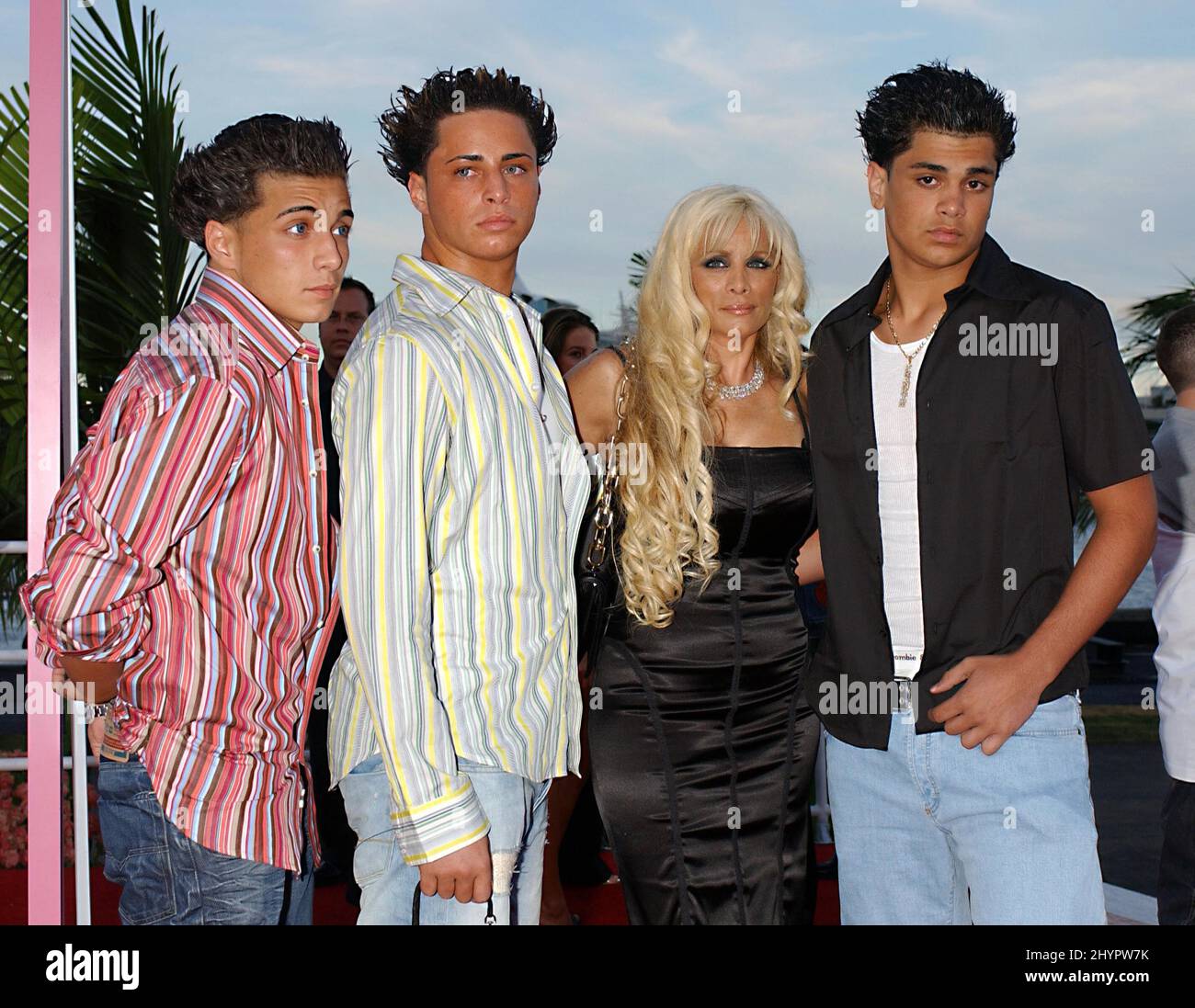
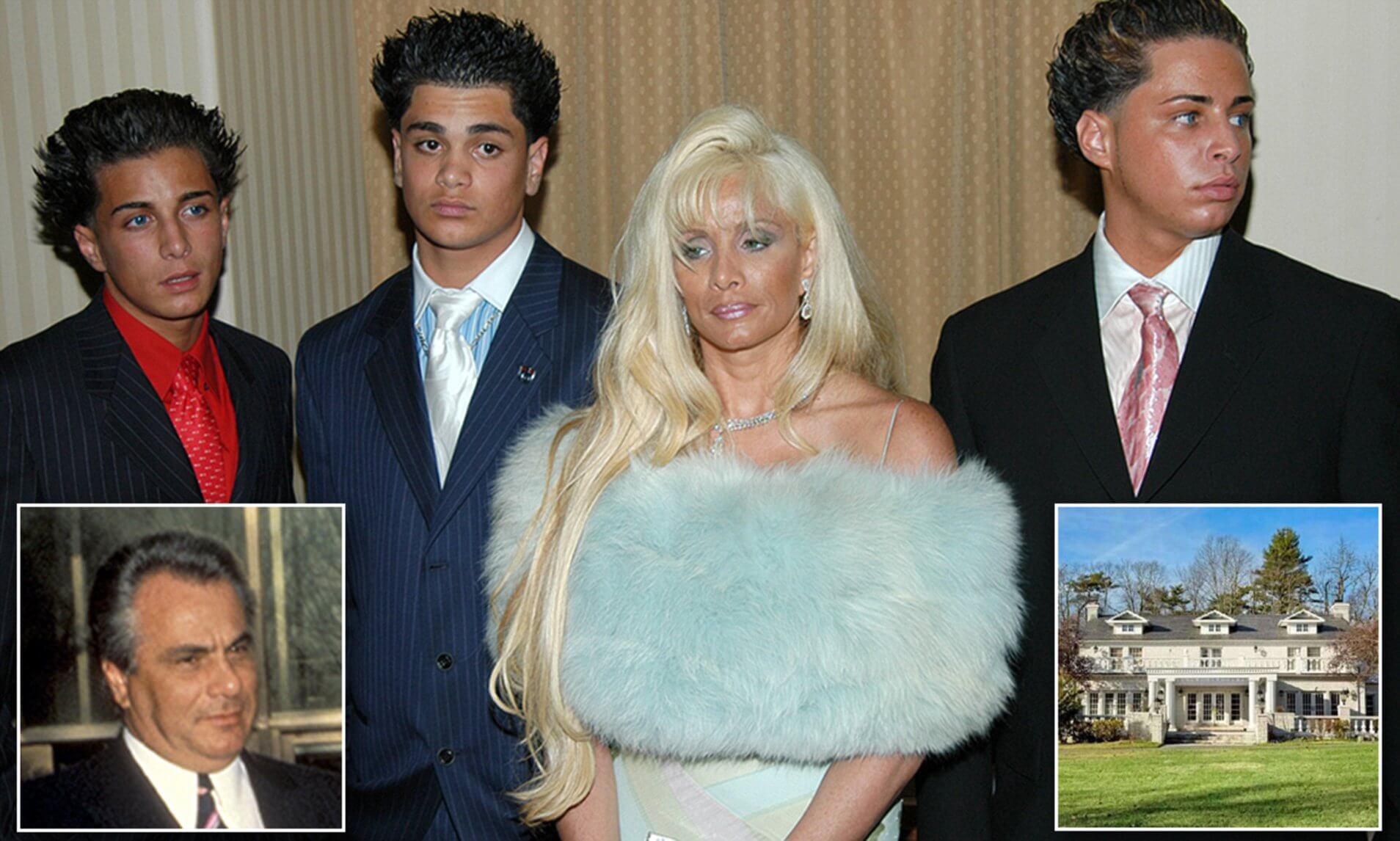
The Gotti Family: Why Are They Back in the Spotlight?
Few names evoke the golden era of the American Mafia quite like the Gottis. From the meticulously tailored suits and silver-tongued bravado of the late 'Teflon Don' to the tabloid-ready trials that dominated the 1980s and 1990s, the family became synonymous with organized crime royalty. Recently, however, pop culture has experienced a massive wave of renewed curiosity, leaving many to wonder: why is everyone suddenly talking about the Gotti family again?

The Enduring Fascination with the Teflon Don
To understand the current resurgence, one must first look at the legacy left behind by John Gotti Sr. As the head of the Gambino crime family, Gotti was a different breed of mobster. Unlike his reclusive predecessors, he embraced the spotlight, holding court outside his Little Italy social club and wearing custom Brioni suits that earned him his famous moniker. His ability to beat major federal indictments in the late 1980s only cemented his legendary status before his eventual conviction in 1992.
This larger-than-life persona has made him a permanent fixture in the true crime genre. While the actual power of the American Mafia has vastly diminished since its peak, the mythology surrounding it continues to grow. Fans of mob history are endlessly fascinated by the inner workings of a secret society that once controlled vast swathes of New York City.
Recent Media Projects and Documentaries
The primary catalyst for the recent resurgence of interest is a fresh wave of high-profile media projects. Streaming services and cable networks have leaned heavily into the true crime boom, producing multi-part docuseries that reexamine the rise and fall of the Gambino boss.
These new projects often feature never-before-heard audio tapes, fresh interviews with former law enforcement officials, and retrospective looks from people who lived through the era. By stripping away some of the Hollywood glamor and presenting the gritty, dangerous reality of the life, these documentaries capture the attention of a younger audience that wasn't alive during Gotti's actual reign.
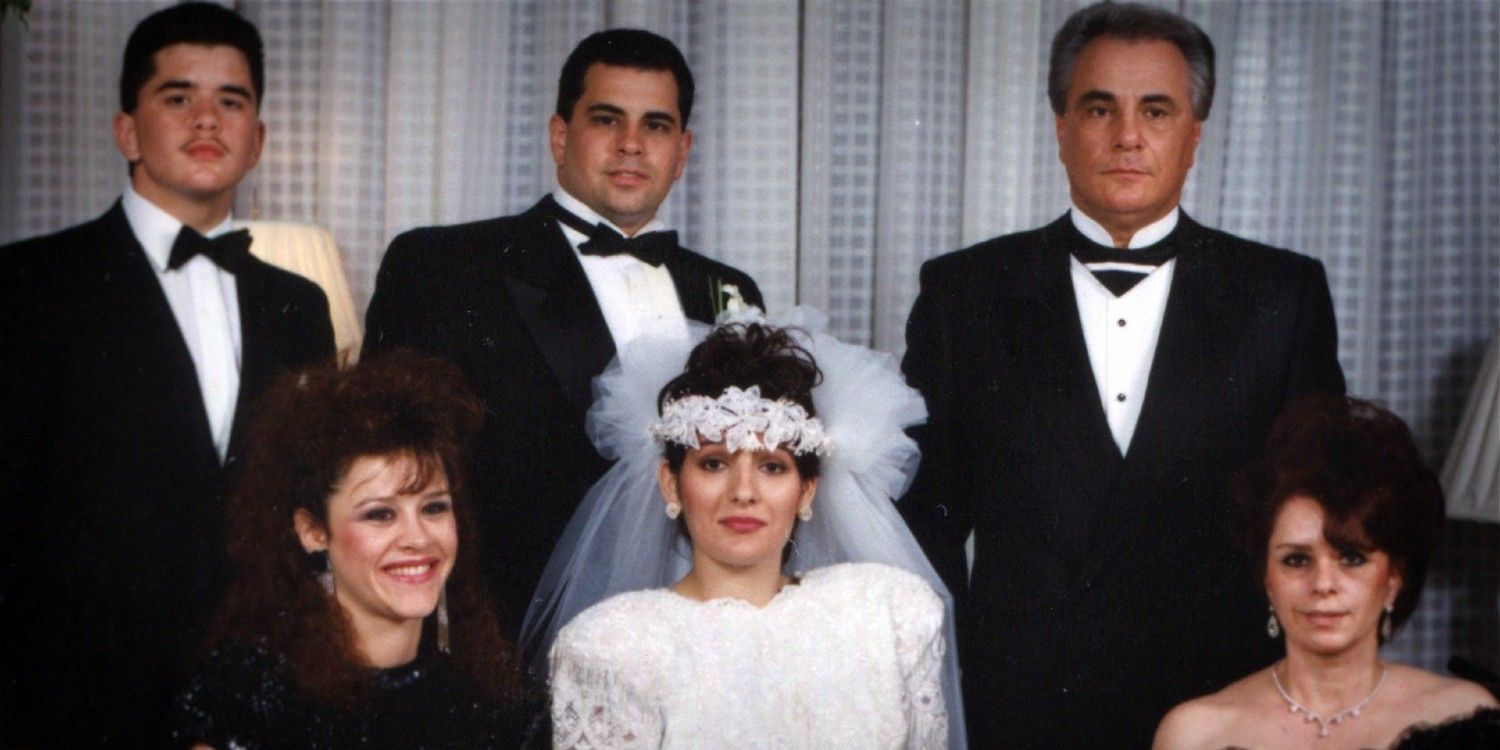
Social Media and the Next Generation
Another major reason behind the sudden chatter is the modern digital landscape. The younger generations of the Gotti lineage have grown up in an era dominated by social media, reality television, and influencer culture. Unlike their ancestors, who operated in the shadows, descendants of the famous mobster have sometimes embraced platforms like TikTok and Instagram.
This creates a fascinating juxtaposition between old-school organized crime and modern internet culture. Viewers are naturally drawn to the contrast between the old guard's strict code of silence and the modern family members sharing glimpses of their daily lives, family recipes, and personal reflections online.
Key Factors Driving the Current Gotti Trend
- Streaming Documentaries: New true-platform series bringing historical archives to light.
- Nostalgia for the 90s: A broader cultural obsession with late-20th-century New York history and aesthetics.
- Digital Presence: Younger family members engaging with public platforms and sharing their perspectives.
- The True Crime Phenomenon: An insatiable public appetite for real-life criminal histories and psychological studies of famous figures.
Where Does the Family Stand Today?
While the name still carries immense weight in popular culture, the reality of the family today is far removed from the headlines of the past. The days of ruling the New York underworld from social clubs are long gone, replaced by legal careers, everyday businesses, and attempts to separate personal identity from a notorious ancestral legacy.
Ultimately, the renewed focus on the Gotti family says less about modern organized crime and more about our cultural appetite for epic narratives. As long as audiences crave stories of ambition, betrayal, power, and downfall, the saga of the Teflon Don and his kin will continue to command the spotlight.