The Great Khali’s Secret Country: The Place Where Legend Began!
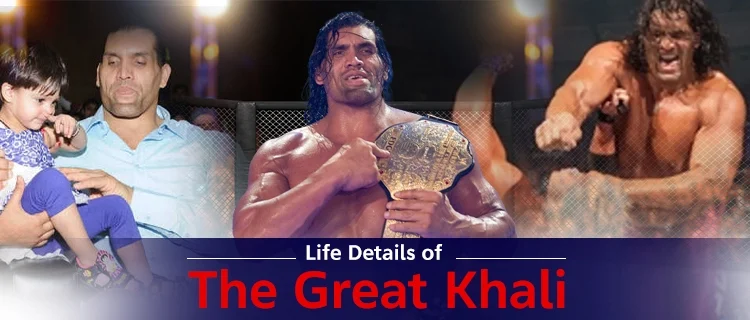
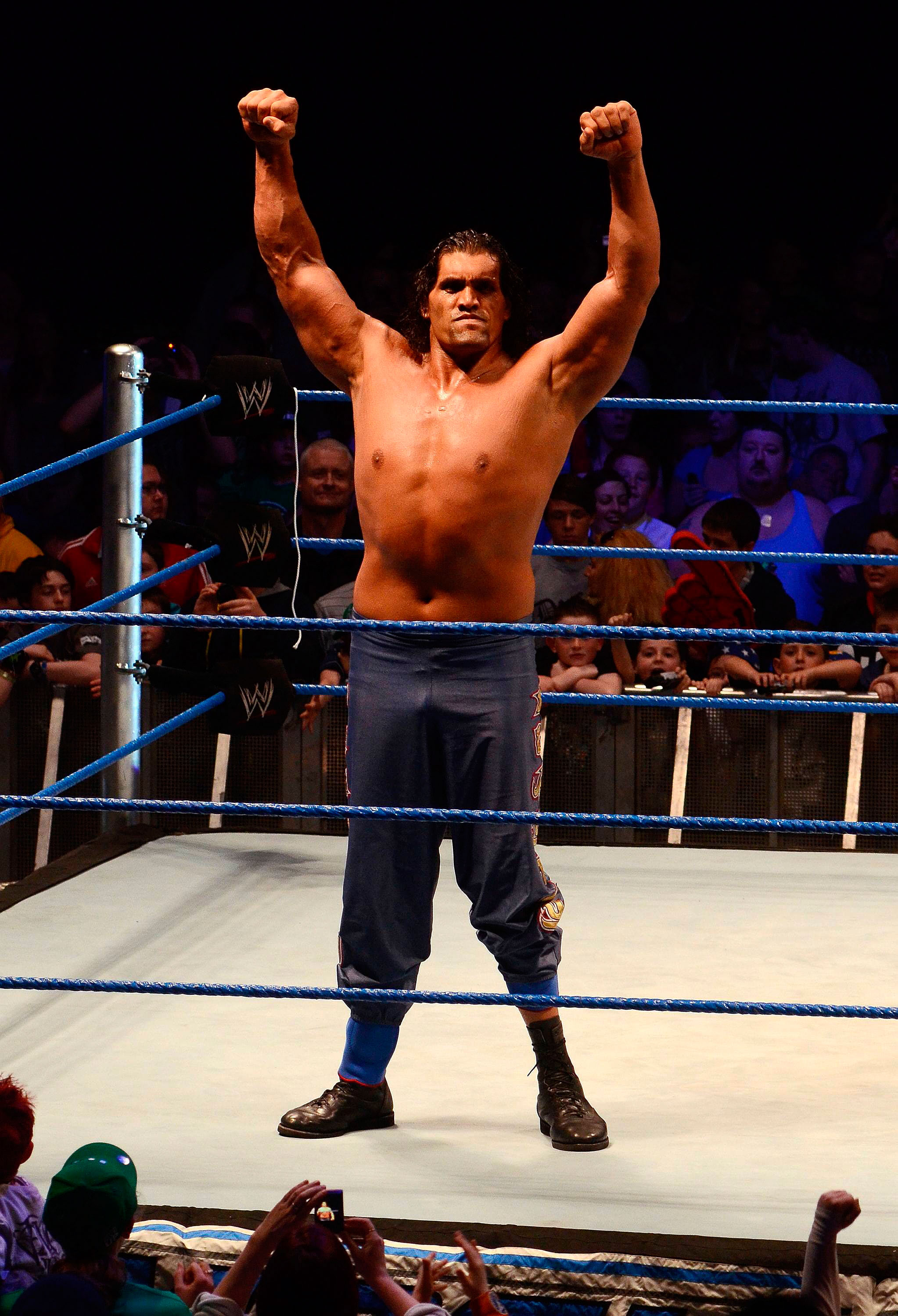
When a seven-foot-one, 350-pound behemoth stepped through the ropes on WWE SmackDown in April 2006 and laid out The Undertaker with chilling ease, combat sports fans across the globe froze. Announcers portrayed him as an ancient force of nature, emerging from the mystical mists of the subcontinent. To millions of international viewers, his roots seemed shrouded in myth, prompting curiosity about The Great Khali’s Secret Country: The Place Where Legend Began! Yet, the true origins of Dalip Singh Rana—the man behind the moniker—are far more extraordinary, arduous, and inspiring than any scripted wrestling storyline.

The Great Khali’s Secret Country: The Place Where Legend Began!
While WWE billing frequently referred to him as a native of Punjab, India, the genuine birthplace of this gentle giant lies higher up in the mountains. Dalip Singh Rana was born on August 27, 1972, in Dhiraina, a tiny, secluded village nestled within the Sirmaur district of Himachal Pradesh, India.
During the 1970s and 1980s, Dhiraina was almost entirely cut off from the luxuries of modern civilization. The village featured no paved highways, limited electricity, and rudimentary healthcare. Tucked into rugged Himalayan foothills, it truly felt like a secret world forgotten by time. Rana was born into an impoverished Rajput family, one of seven children raised by Jwala Ram and Tandi Devi.
Unlike his siblings, young Dalip suffered from a rare endocrine condition known as acromegaly, commonly referred to as gigantism. A benign tumor on his pituitary gland caused an overproduction of human growth hormone, leading to accelerated bone development, an elongated jaw, massive hands, and towering height. In an impoverished mountain community, this rapid growth was not viewed as an athletic gift; it was an immense financial burden.
The Harsh Reality of Rural Survival
Because his family could not afford the food required to nourish his rapidly growing body, Rana was forced to abandon his education at an early age. His youth was defined by relentless physical labor:
- Breaking stones: He worked as a roadside day laborer, shattering boulders with sledgehammers for road construction projects.
- Hauling heavy timber: He carried massive logs across steep, unpaved terrain to earn sustenance for his family.
- Meager wages: On an average workday, he earned less than five rupees (a few cents), barely enough to purchase a single meal.
The mountainous terrain of Himachal Pradesh served as an unforgiving outdoor gym. Every boulder he hauled and every mountain trail he climbed laid the raw muscular foundation for what would later become one of the most imposing physiques in professional sports entertainment.
From Mountain Laborer to Punjab Police Officer
The turning point in Rana’s life arrived in 1993. While working as an entry-level security guard in the hill station of Shimla, his towering frame caught the eye of Mahal Singh Bhullar, the then-Director General of Police for the neighboring state of Punjab. Bhullar, an ardent patron of sports who had helped numerous rural athletes find employment, recognized Rana’s unmatched physical potential.
Bhullar arranged for Rana to join the Punjab Police as a constable in Jalandhar. This pivotal relocation marked the end of his days of starvation. In the police barracks of Punjab, Rana received:
- A steady government salary that supported his parents back in Dhiraina.
- Proper high-protein nutrition, allowing him to consume the calories required for his colossal stature.
- Access to professional gym equipment and specialized strength-training regimens.
Within a few years of structured bodybuilding, Rana earned the titles of Mr. India in 1995 and 1996. His reputation as an Indian colossus soon caught the attention of international talent scouts.
Venturing Abroad: California, Japan, and WWE Stardom
By the late 1990s, Rana had set his sights on professional wrestling. In 1999, he relocated to the United States to train at All Pro Wrestling (APW) in Hayward, California. Adapting to the fast-paced, high-impact world of pro wrestling was grueling for a man of his scale, yet his sheer presence made him an undeniable prospect.

Before achieving global fame in America, Rana honed his craft overseas:
- New Japan Pro-Wrestling (NJPW): In 2001, he teamed with the 7-foot-2 Brazilian wrestler Giant Silva to form “Club 7,” billing themselves as the tallest tag team in professional wrestling history.
- CMLL (Consejo Mundial de Lucha Libre): He competed in Mexico under the moniker “Gigante Singh,” adapting to the agile styles of local luchadores.
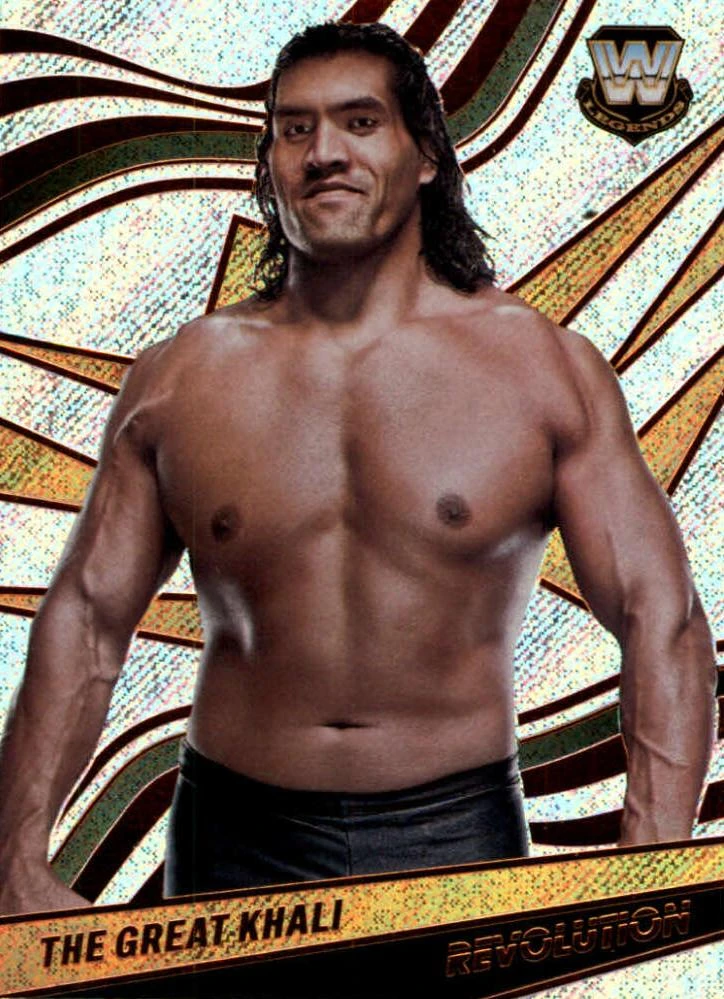
In early 2006, Rana signed a developmental contract with World Wrestling Entertainment, making him the first Indian-born professional wrestler to sign with the global promotion. WWE creative director Vince McMahon rechristened him The Great Khali, drawing inspiration from Kali, the formidable Hindu goddess of empowerment, time, and destruction.
Khali experienced a historic rookie year. He cleanly defeated The Undertaker, feuded with John Cena and Kane, and in July 2007, won a 20-man Battle Royal on SmackDown to capture the coveted World Heavyweight Championship. The impoverished boy from the hills of Himachal Pradesh was now the undisputed champion of the wrestling world.
Deconstructing Kayfabe: Why Khali’s Homeland Was Mythologized
Throughout wrestling history, promoters have utilized theatrical billing to heighten drama. Rather than detailing the modern administrative borders of northern India, WWE commentators frequently described Khali as an ancient, mythical monster descending from unmapped Himalayan peaks.
This kayfabe presentation created a sense of exotic mystery. Many casual international viewers assumed he hailed from an isolated monastery or a private jungle enclave. However, stripping away the cinematic flair reveals a reality that is vastly more compelling:
- Strict discipline: Despite playing a savage villain on television, Rana was a deeply spiritual, non-smoking, non-drinking vegetarian.
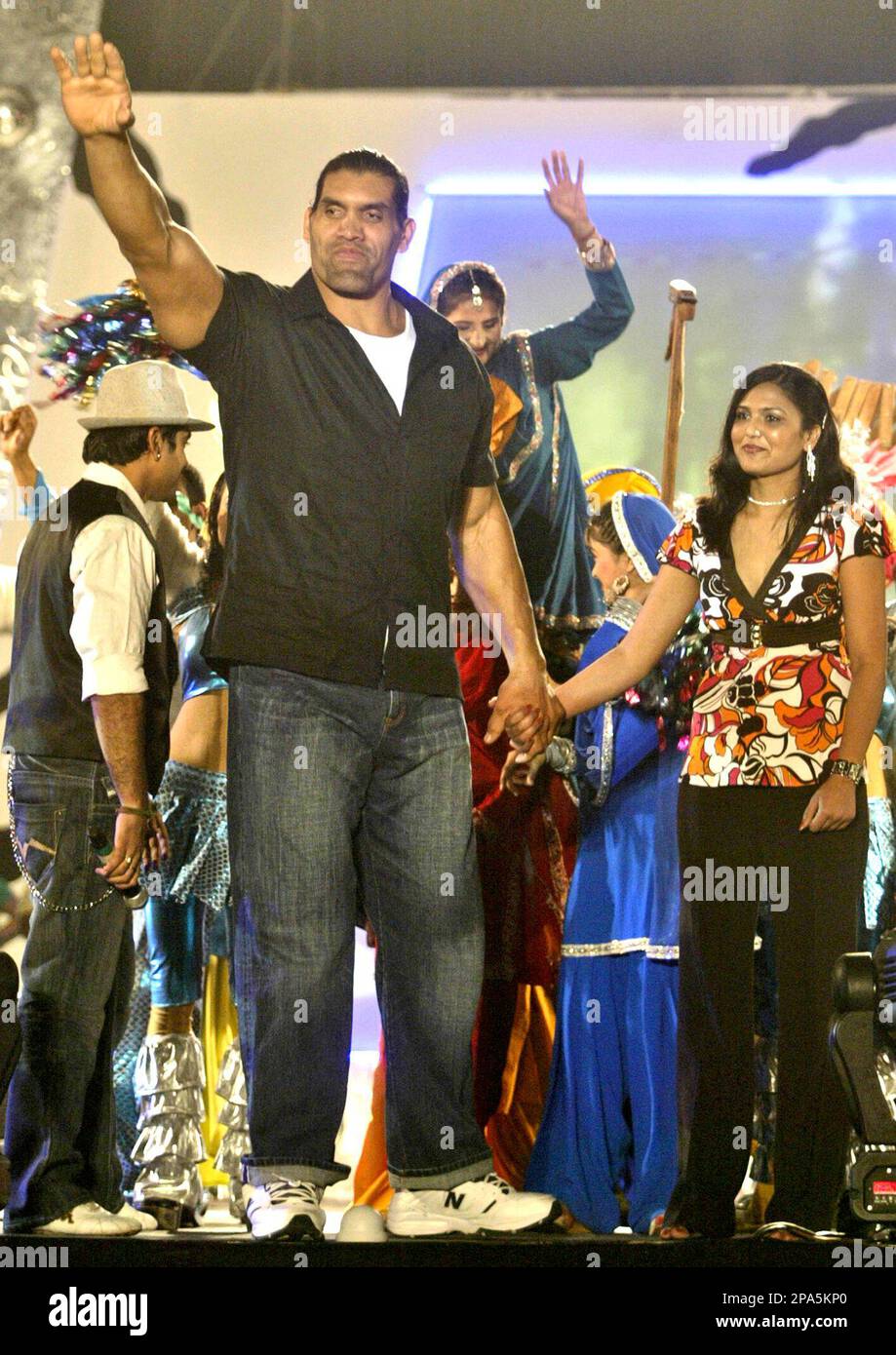
- Devotion to roots: Even at the height of his international superstardom, Khali regularly returned to Dhiraina, funding local infrastructure, electrical connections, and education programs.
- Breaking stereotypes: He transformed how South Asian athletes were perceived in mainstream Western entertainment, paving the way for future generations.
Giving Back: The Continental Wrestling Entertainment Legacy
Following his induction into the WWE Hall of Fame in 2021, Khali chose not to retire to a quiet life abroad. Instead, he returned directly to India to solve the very problem that hindered his own youth: the lack of local sports training infrastructure.
In 2015, Rana founded Continental Wrestling Entertainment (CWE) in Jalandhar, Punjab. CWE functions as a professional wrestling school and promotion dedicated to scouting undiscovered talent from rural villages across India. Rana built the facility to offer young athletes free or low-cost training, accommodations, and nutritional guidance.
His efforts have already yielded significant results. CWE trained Kavita Devi, who made history as the first Indian female wrestler to compete in WWE, as well as Dilsher Shanky, who went on to feature on WWE programming. By providing an authentic pathway from impoverished Indian villages to international arenas, Khali has permanently altered the sports landscape of his home nation.
The Enduring Legacy of a Himalayan Giant
The narrative of The Great Khali is not merely a tale of scripted victories inside a padded ring. It is the triumph of human resilience over severe physical and socioeconomic odds. The “secret country” that produced this icon is neither an imaginary realm nor a glamorous city—it is the rugged earth of Dhiraina, Himachal Pradesh.
From breaking stones in absolute obscurity to lifting championship gold under bright stadium lights, Dalip Singh Rana demonstrated that sheer determination can bridge the gap between the most remote corner of the world and global immortality.