The Hidden Ant-Power: How a Tiny Ant Holds a Universe in Balance!
When most people think of ants, they picture an annoyance at a summer picnic or a line of tiny insects marching across a kitchen counter. Yet beneath our feet lies a massive, highly organized global network that shapes almost every terrestrial ecosystem on Earth. Beneath their diminutive size lies The Hidden Ant-Power: How a Tiny Ant Holds a Universe in Balance!
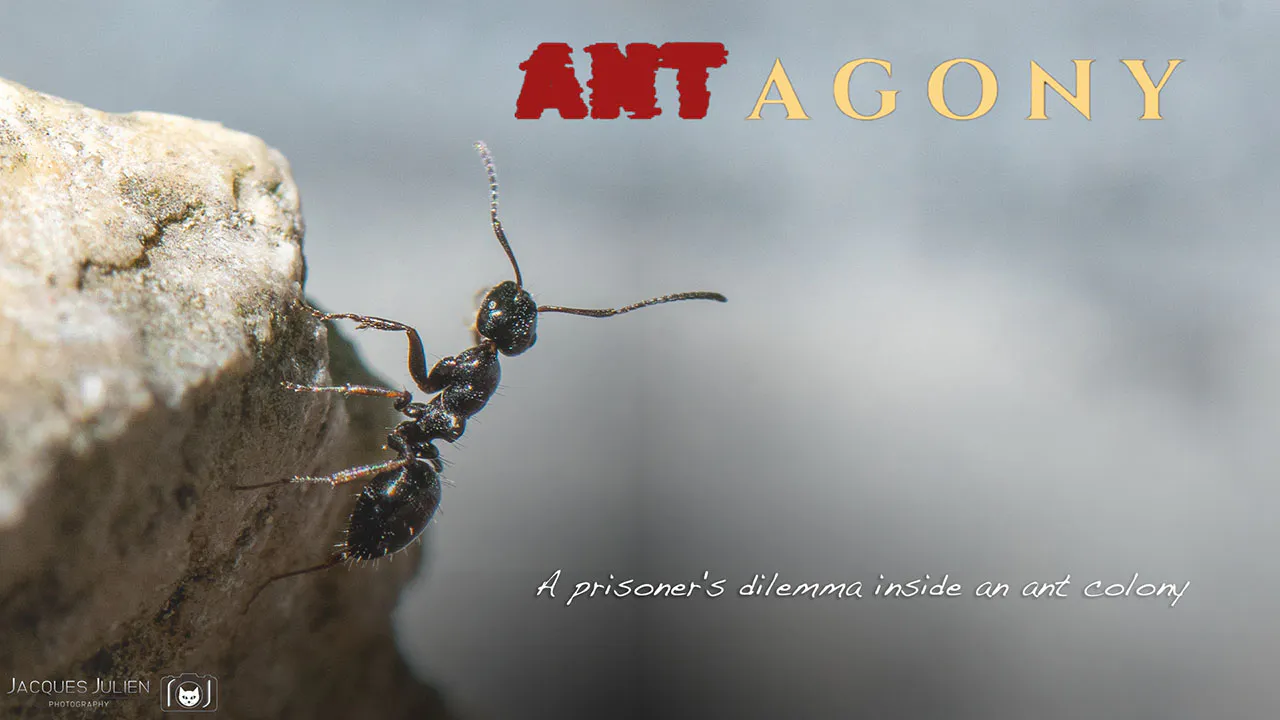
While an individual ant weighs mere milligrams, their collective biomass rivals that of all vertebrates combined. There are an estimated 20 quadrillion ants on our planet. This staggering population makes them primary drivers of ecological health, influencing everything from soil chemistry to forest regeneration. Understanding their role reveals why these tiny creatures are indispensable to life on Earth.
Ecosystem Engineers Beneath Our Feet
Ants are nature's ultimate subsurface architects. Through their constant tunneling and nest-building activities, they perform vital geological and biological tasks that rival earthworms in importance.
Soil Aeration and Nutrient Cycling
As ants carve out elaborate underground colonies, they churn and aerate the soil. This process:
- Allows rainwater to penetrate deeper roots rather than causing surface runoff.
- Increases oxygen levels around plant roots, boosting overall flora growth.
- Brings mineral-rich subsoil to the surface while burying organic matter deeper down.
Furthermore, ant refuse—including discarded food, metabolic waste, and deceased colony members—acts as a slow-release fertilizer. Studies show that plants growing near ant nests often exhibit faster growth rates and higher yields due to this concentrated nutrient injection.
Masters of Seed Dispersal
Forests and grasslands rely heavily on ants to reproduce and spread. Many plant species have evolved a special relationship with ants known as myrmecochory.
These plants produce seeds with a nutrient-rich appendage called an elaiosome. Ant foragers collect the seeds, carry them back to their underground nests, feed the tasty elaiosome to their larvae, and discard the unharmed seed in their underground waste chambers—which happen to be nutrient-dense compost heaps. This protects the seed from predators like rodents and plants it in fertile soil, ready to sprout.
Video: String Theory & the Ant Hill: How Tiny Lives Echo the Universe’s Design

Natural Pest Control and Forest Protectors
Ants are fierce predators that regulate insect populations, acting as a biological pesticide for many ecosystems. Species like wood ants patrol trees and forest floors, consuming millions of caterpillars, beetles, and flies daily.
In tropical rainforests, canopy ants protect specific trees from herbivores. For instance, acacia ants maintain a mutualistic bond with acacia trees. The tree provides shelter and nectar, while the ants aggressively sting and swarm any herbivorous animal—ranging from insects to large mammals—that tries to eat the leaves. Without this constant defense, many plant species would succumb to defoliation.
The Backbone of the Food Web
Beyond their active roles as engineers and protectors, ants serve as a fundamental food source for countless animals. Specialized predators, such as anteaters, pangolins, and echidnas, rely almost exclusively on them for survival. Countless birds, reptiles, amphibians, and spiders also depend on ants to sustain their populations.
Even in death, ants provide vital resources. Fungi and microorganisms break down ant remains, returning essential nitrogen and carbon to the soil food web.
Protecting Our Tiny Titans
Despite their resilience, ant populations face threats from habitat destruction, climate change, and the spread of invasive species like the Argentine ant, which disrupts native ecosystems by wiping out local insect communities. Recognizing the ecological weight of ants helps us appreciate the delicate balance of the natural world.
The next time you spot a trail of ants scurrying across the pavement, remember that you are looking at the foundational mechanics of a healthy planet. Their quiet, tireless labor keeps our soils rich, our forests green, and our ecosystems wonderfully balanced.


