The Hidden Costs of xJail Okaloosa Explained
When a family member or friend is taken into custody in Okaloosa County, Florida, the primary resource most people turn to is the county's public inmate database. Known widely by its portal framework, the hidden costs of xJail Okaloosa extend far beyond the public data listed on the computer screen. While finding booking information, charges, and bond amounts is straightforward, the subsequent financial and logistical reality often catches families completely unprepared.

Securing an individual's release or supporting them during a period of pretrial detention triggers a sequence of compounding expenses. Understanding these fees—from administrative surcharges to communication markups—can help families make practical, cost-effective decisions during a turbulent time.
The Immediate Shock: Booking and Detention Fees
Many people assume that local taxes cover the entire expense of county detention. However, under Florida Statute § 951.033, county detention facilities are legally authorized to recoup costs from inmates through "pay-to-stay" policies and administrative fees. In Okaloosa County, financial obligations begin accumulating almost as soon as the booking photograph is uploaded to the portal.
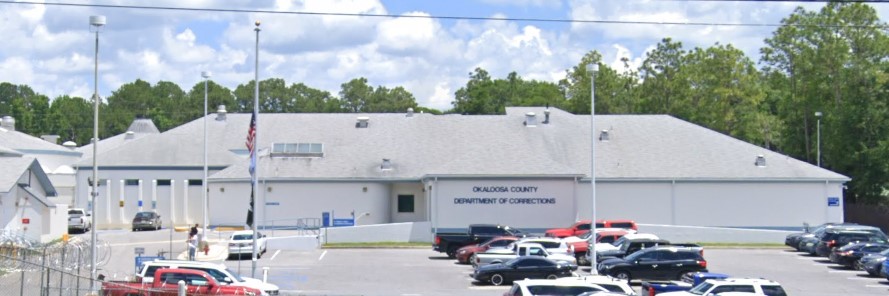
- Booking and Processing Fees: An initial administrative processing fee is typically charged directly to the inmate's ledger upon arrival at the Okaloosa County Department of Corrections in Crestview.
- Daily Subsistence (Per Diem) Charges: Inmates can be assessed a daily room-and-board charge for each night spent in custody, which creates a negative balance on their institutional trust account.
- Medical Co-Pays: While acute emergency medical treatment cannot be denied due to inability to pay, non-emergency medical sick calls, dental evaluations, and prescription medications often incur internal co-pays that are deducted directly from commissary funds.
Beyond the Bail Amount: What Getting Out Really Costs
When searching an inmate's profile, the posted bond number represents only one piece of the puzzle. Securing a release involves several secondary transactions that are rarely refunded.
Surety Bond Premiums
If a family cannot afford the full cash bond directly to the court clerk, they must hire a licensed bail bond agent. In Florida, the state-mandated premium is generally 10% of the total bond amount (with statutory minimums per charge). This 10% is a non-refundable service fee. Even if the state attorney later drops all charges, that money is permanently gone.
Arrest-Adjacent Expenses
An arrest frequently occurs on the road, adding rapid auxiliary bills before bail can even be arranged. Commercial towing and impound lots charge statutory daily storage fees that mount aggressively within 48 to 72 hours. Releasing an impounded vehicle often costs several hundred dollars in cash, separate from any bail requirements.
Telecommunications and Commissary: The Daily Price of Contact

Maintaining contact with an incarcerated individual in Okaloosa County requires navigating commercial telecommunication vendors. Jails contract with private corrections tech providers for telephone services, electronic messaging, and video visitation, and these services involve significant surcharges.
- Phone Call Charges: Calls placed from inside the facility are billed either collect or through a prepaid account. While federal regulations have reduced interstate phone caps, intrastate rates and third-party platform connection charges still place a notable weekly burden on families.
- Video Visitation and Messaging Fees: In-person social visits have largely been replaced or supplemented by electronic remote kiosks. Scheduling a 20- or 30-minute video visit or sending an electronic text/photo message costs a set fee per session or per digital "stamp."
- Third-Party Deposit Fees: Adding money to an inmate's account or telephone balance via debit/credit card through automated portals (like TouchPay, Access Corrections, or similar providers) triggers deposit convenience fees ranging anywhere from $3.00 to $10.00 per transaction.
Commissary Price Inflation
Commissary purchases—ranging from basic hygiene supplies such as specific soaps and deodorants to supplemental food and over-the-counter analgesics—are sold at substantial markups. Furthermore, if an inmate arrived with an outstanding negative balance from medical co-pays or booking fees, a percentage of every outside deposit (frequently up to 50%) is automatically intercepted by the facility to satisfy institutional debt before any funds can be spent on commissary goods.
Navigating the Hidden Costs of xJail Okaloosa
Managing the economic impact requires a calculated approach rather than hasty decisions made in distress. By understanding how the Okaloosa detention system operates, you can avoid unnecessary fees and preserve financial resources for legal defense.
- Batch Your Deposits: Because third-party payment processors levy flat convenience fees on deposits, making one larger monthly deposit incurs fewer service charges than making small weekly transfers.
- Wait for Initial Appearance (First Appearance): Before rushing to pay a bondsman late at night, remember that Florida requires arrestees to appear before a judge within 24 hours. At this hearing, the judge may lower the bond, grant a Pre-Trial Services (PTS) release, or order a Release on Recognizance (ROR), eliminating the need for a private bond fee altogether.
- Audit Trust Account Deductions: Ask your loved one to verify their account ledger internally to ensure charges reflect only valid institutional fees and approved medical requests.
- Protect Yourself from Digital Scammers: Data displayed publicly on xJail is frequently scraped by unregulated third-party mugshot sites. Beware of predatory web entities demanding money to "remove" public booking records. Florida law (F.S. § 901.430) prohibits charging a fee for the removal of an arrest record if a written request is accompanied by proof that the charges were dismissed or resolved without adjudication.
The Exit Tax: Prepaid Release Cards
Even leaving the facility carries a hidden charge. When an inmate is discharged from the Okaloosa County facility, any remaining cash on their institutional balance is usually disbursed via a prepaid debit card rather than cash or a paper check.
These prepaid release cards often come with restrictive fee schedules. Inactivity fees, automated teller machine (ATM) decline fees, card replacement costs, and live customer service inquiry fees can quickly deplete an individual's remaining funds. To prevent losing this capital, recipients should immediately withdraw the full balance at an in-network bank teller or transfer the exact balance to a personal checking account upon release.
The Long-Term Picture
The true cost of an arrest tracked through xJail Okaloosa reaches well beyond the initial booking screen. From institutional administrative debt and telecommunication markups to long-term economic friction like lost workdays and professional licensing reviews, county detention exerts immediate financial strain. By remaining cautious, understanding statutory rights, and monitoring ancillary service fees, families can mitigate the unexpected costs of the local justice system.