The Hidden Toll of Forbidden App Triggers
In an era where low-code platforms, webhooks, and third-party integrations promise seamless productivity, an invisible liability is spreading across enterprise architectures. When teams bypass IT governance to hook disparate platforms together, they inadvertently unleash unsanctioned automations. Understanding the hidden toll of forbidden app triggers – know the cost before it’s too late is no longer just an administrative concern; it is a critical survival metric for modern security, DevOps, and compliance leaders.
Forbidden app triggers—whether they are policy-violating webhooks, unauthorized API event listeners, or rogue routines linking personal cloud drives to enterprise databases—frequently masquerade as harmless shortcuts. However, their cumulative impact on infrastructure resilience, data confidentiality, and operational budgets can be catastrophic.
What Defines a Forbidden App Trigger?
Modern applications rely on event-driven architecture. A trigger occurs when a specific event—such as a file upload, a status change in a CRM, or an incoming payment—initiates an automated downstream action. In enterprise IT, an app trigger becomes "forbidden" when it violates internal governance, security baselines, or external platform policies.
Common manifestations include:
- Shadow iPaaS Automations: Employees using non-approved Zapier, Make, or Power Automate personal accounts to sync confidential corporate records to personal workspaces.
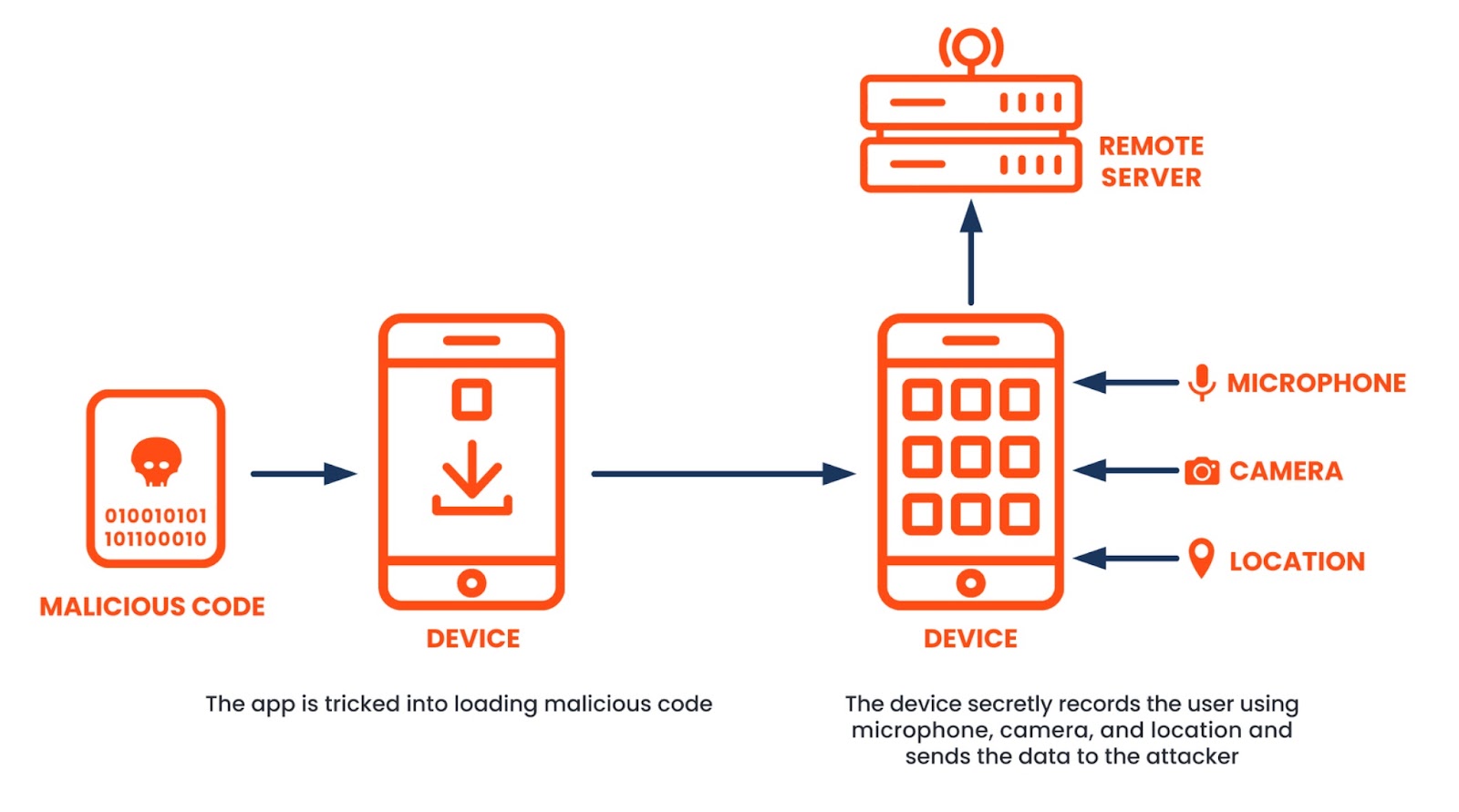
- Banned Store API Triggers: Mobile apps calling restricted operating system listeners (such as persistent background location or accessibility services) that violate Apple App Store or Google Play policies.
- Unvetted Webhook Relays: Third-party services given unrestricted permissions to trigger internal microservices without mutual TLS or payload validation.
- Recursive Cloud Routines: Event-driven serverless functions configured without circuit breakers, generating runaway execution loops upon unintended trigger events.
The Hidden Toll of Forbidden App Triggers: Know the Cost Before It’s Too Late
The immediate convenience of setting up an unmonitored trigger rarely balances out the downstream consequences. When unauthorized event hooks run silently beneath the surface, organizations incur damage across four distinct dimensions.
1. Unmonitored Data Exfiltration and Regulatory Penalties
Data protection frameworks like GDPR, HIPAA, and CCPA impose strict mandates on where data moves, who processes it, and how access is logged. A forbidden app trigger created by an employee to forward customer feedback from an enterprise Slack channel to a third-party AI analysis tool instantly creates an unmanaged data transfer pipeline.
Because these triggers operate outside the scope of Security Information and Event Management (SIEM) systems, data spills can continue undetected for months. When an audit occurs or an external vendor suffers a breach, the originating organization faces massive regulatory fines, mandatory breach notifications, and reputational erosion.
2. Runaway API Invoices and Cloud Compute Spikes
Serverless computing and metered third-party APIs operate on consumption-based pricing models. A rogue or poorly configured trigger can easily enter an uncontrolled feedback loop. Consider an unapproved script set to trigger whenever a database row changes: if the script itself writes an update to that row, it creates an infinite recursive cascade.
By the time engineering notices the anomaly, the trigger may have fired millions of times. The results are sudden, five-figure cloud bills, depleted API quotas that paralyze legitimate workflows, and throttling penalties from upstream vendors.
3. Silent Architecture Degradation and Technical Debt
When business units build mission-critical workflows around forbidden triggers, they establish "ghost dependencies." These are integrations that nobody in central IT or engineering knows exist until they break.

When an internal API changes its schema, or an external provider deprecates an authentication endpoint, these unauthorized automations fail silently. Downstream data becomes corrupted, records go missing, and developers are forced into emergency triage to debug undocumented spaghetti code that violates core architectural patterns.
4. Enterprise Credential Compromise
To configure triggers across apps, users routinely supply long-lived API tokens, OAuth refresh tokens, or personal access tokens. Forbidden triggers often store these high-privilege credentials in plaintext within unsecured personal automation accounts or public GitHub repositories. If an attacker compromises one low-code platform account, they inherit lateral access to core enterprise assets via these embedded credentials.
How to Detect and Neutralize Shadow App Triggers
Halting the spread of forbidden triggers does not mean eliminating automation. Instead, organizations must implement visibility, strict guardrails, and secure self-service alternatives.
Audit the SaaS and API Footprint
Organizations must look beyond core cloud infrastructure and inspect identity-layer connections. Deploy Cloud Access Security Brokers (CASB) and analyze identity provider (IdP) logs from Okta, Azure AD, or Google Workspace to discover third-party apps granted OAuth scopes.
- Revoke High-Risk Scopes: Identify and terminate app authorizations that request broad read/write access to company mailboxes, file shares, or directories.
- Inventory Inbound Webhooks: Audit API gateways to catalog all endpoints accepting external payloads without standard HMAC signature verification.
- Scan Code Repositories: Use automated secret-detection tools to catch hardcoded webhooks, serverless event handlers, and API keys committed by internal teams.
Establish Zero-Trust Automation Policies
Apply the principle of least privilege to integration platforms. If your team relies on automation tools, mandate enterprise-managed tenants with centralized single sign-on (SSO), data loss prevention (DLP) rules, and strict connector whitelists.
Block the use of generic HTTP request modules within low-code builders. These modules allow users to bypass approved connectors and call forbidden endpoints directly. By restricting triggers to curated, internally hosted connectors, security teams ensure that all payloads undergo validation before execution.
Provide Sanctioned Paths for High-Velocity Teams
Shadow IT and rogue triggers usually emerge because sanctioned IT processes are too slow or bureaucratic. When teams are blocked from automating simple tasks, they find illicit workarounds. Combat this behavior by offering approved, governed automation sandboxes where non-technical staff can build event-driven workflows with pre-tested guardrails, automated circuit breakers, and built-in audit trails.
Balance Velocity with Governance
Event-driven automations are the lifeblood of modern digital business, but unpoliced triggers introduce hidden, systemic risk. When unauthorized webhooks, rogue connectors, and unmonitored scripts interact with core infrastructure, the financial, operational, and regulatory fallout can surface overnight.
By implementing proactive discovery, restricting non-sanctioned API access, and establishing clean enterprise automation standards, you preserve the velocity of your business while protecting your data and budget from avoidable disasters.