The Hisashi Ouchi Story: What Really Happened
Introduction

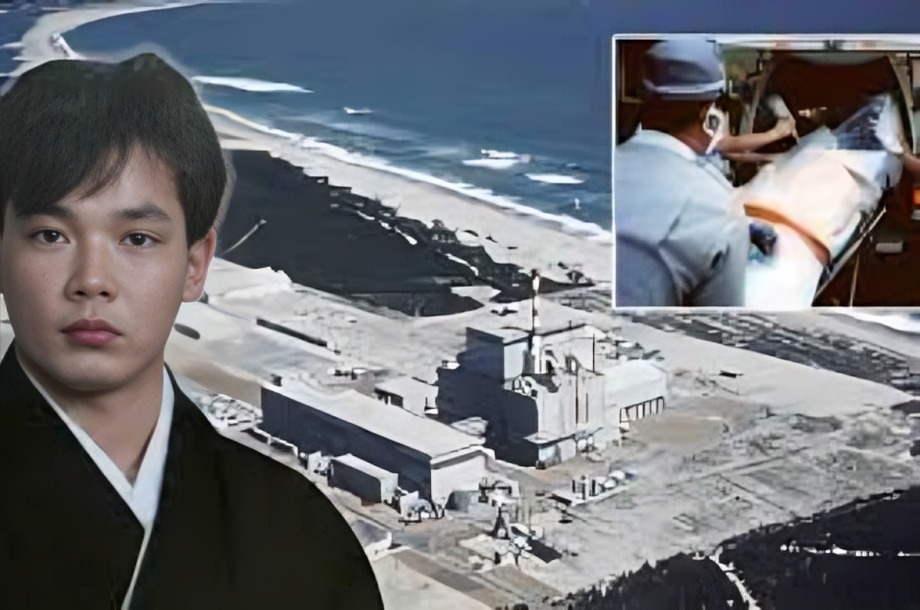
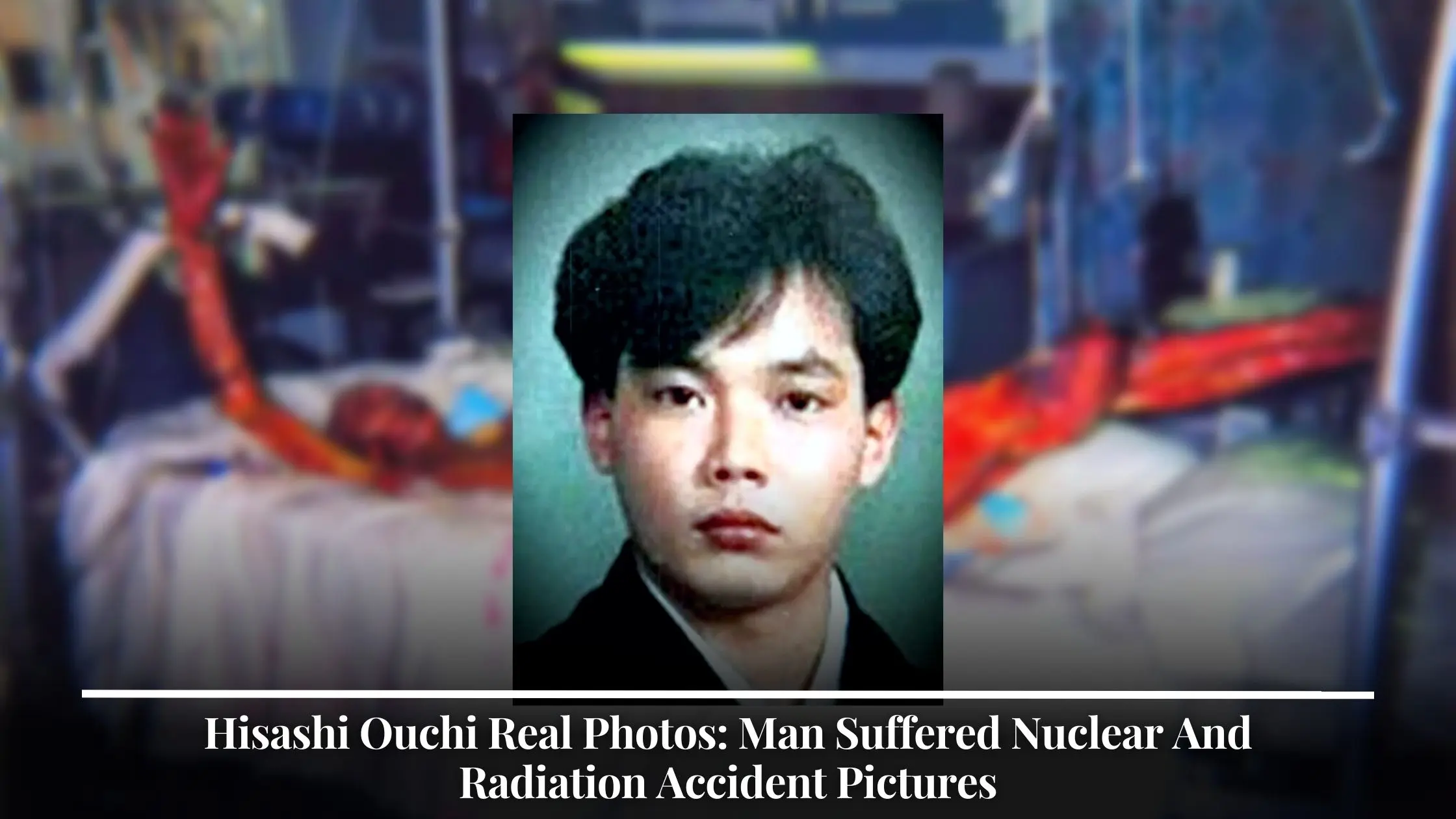
The Hisashi Ouchi story remains one of the most sobering and intensely discussed events in the history of nuclear energy and modern medicine. On September 30, 1999, a criticality accident occurred at the JCO uranium processing facility in Tokaimura, Ibaraki Prefecture, Japan. Hisashi Ouchi, a 35-year-old technician, absorbed a near-lethal dose of radiation—the highest ever recorded in a human survivor at the time.
While internet lore, urban legends, and sensationalized videos often distort the facts of what happened, the true documentation offers a critical look at industrial safety, acute radiation syndrome (ARS), and complex medical ethics.
The Tokaimura Nuclear Accident
To understand the Hisashi Ouchi story, it is essential to examine the accident itself. JCO (a subsidiary of Sumitomo Metal Mining) operated the fuel conversion plant in Tokaimura. On the day of the accident, Ouchi and two colleagues, Masato Shinohara and Yutaka Yokokawa, were preparing enriched uranium for an experimental fast breeder reactor.
To save time and streamline the workflow, the workers bypassed standard operating procedures. Instead of using a designated dissolution tank, they mixed uranium solutions in stainless steel precipitation tanks. Furthermore, they used manual funnels to pour a uranyl nitrate solution containing approximately 16 kilograms of uranium—far exceeding the safe mass limit of 2.4 kilograms.
At approximately 10:35 AM, a critical mass was reached. A blue flash of Cherenkov radiation illuminated the room as a self-sustaining nuclear fission chain reaction began, releasing a massive wave of gamma and neutron radiation.
Immediate Exposure and Medical Intervention
Hisashi Ouchi was standing directly over the tank when the reaction occurred. He received an estimated radiation dose of 16 to 20 sieverts (Sv). For context, a dose of 8 Sv is generally considered universally fatal, and anything above 5 Sv severely damages bone marrow and internal organs.
- Initial Symptoms: Immediately following the flash, Ouchi experienced severe nausea, dizziness, burns on his skin, and an inability to speak or breathe comfortably.
- Hospitalization: He was rushed to the National Institute of Radiological Sciences in Chiba, and later transferred to the University of Tokyo Hospital.
- Cellular Damage: The radiation instantly destroyed the chromosomes in Ouchi's cells, preventing his body from producing new cells and effectively shutting down his immune system.

The 83-Day Hospitalization
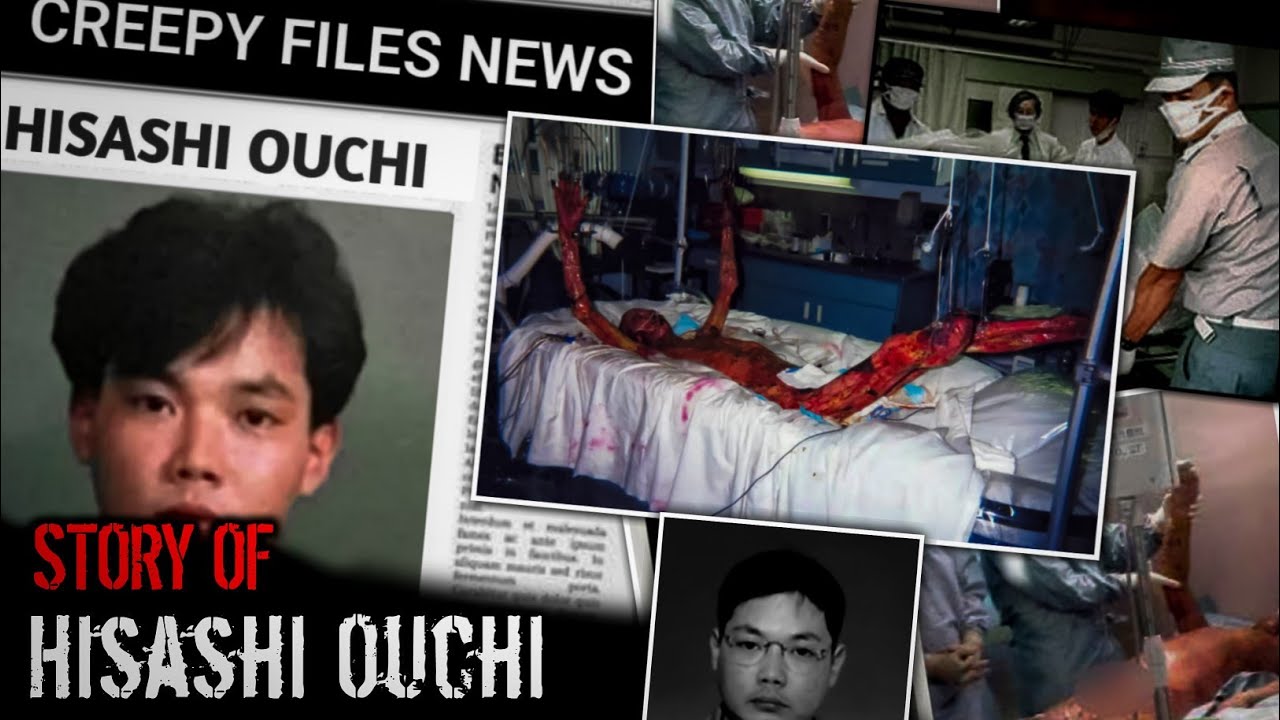
The medical team at the University of Tokyo Hospital faced an unprecedented challenge. They attempted groundbreaking treatments to save Ouchi's life, including peripheral blood stem cell transplants (donated by his sister) and massive skin grafts. However, because his chromosomes were completely shattered, the newly introduced stem cells could not replicate properly or repair the damage.
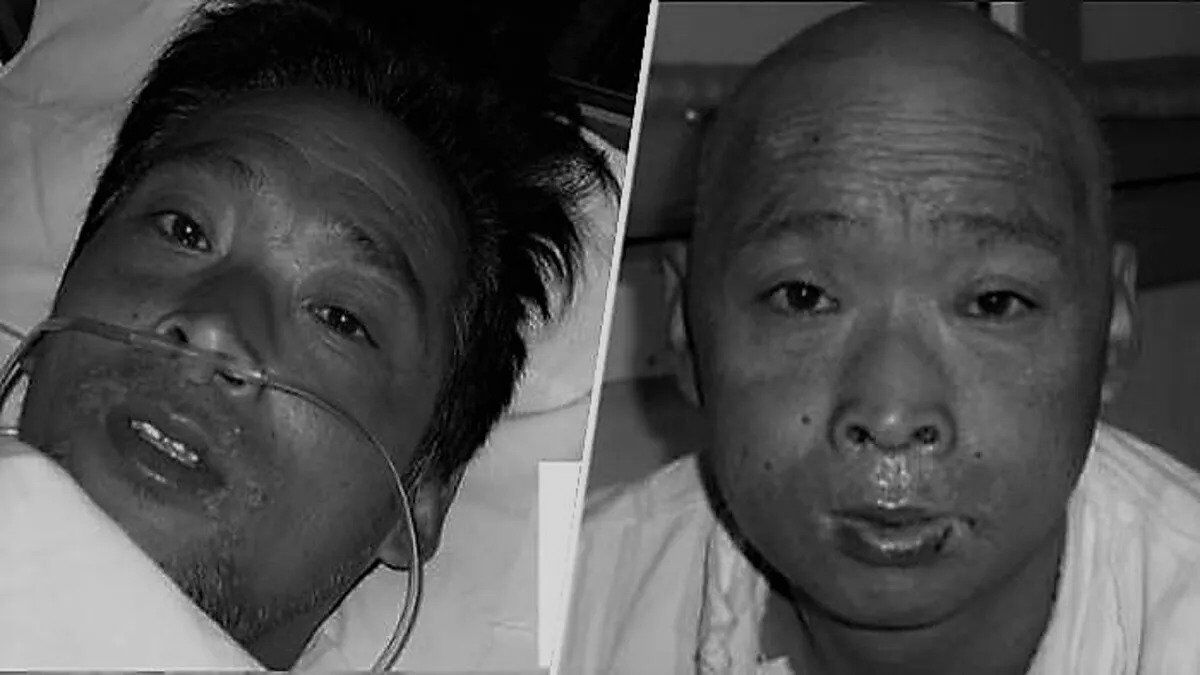
Over his 83-day hospitalization, Ouchi suffered systemic organ failure. His skin lost its ability to retain moisture, leading to severe fluid loss and constant infection risks. Medical ethics debates often center around this period of the Hisashi Ouchi story. Critics and bioethicists have questioned whether keeping him alive through aggressive life support prolonged unnecessary suffering, while medical professionals argued they were charting unknown scientific territory in a desperate bid to save a human life.
On December 21, 1999, Hisashi Ouchi passed away following multiple organ failures after his heart stopped. His colleague, Masato Shinohara, also succumbed to radiation injuries several months later, while Yutaka Yokokawa survived after extensive medical treatment.
Lessons Learned and Legacy
The tragic accident at Tokaimura and the subsequent ordeal of Hisashi Ouchi led to sweeping changes worldwide regarding nuclear oversight and industrial safety.
- Regulatory Reform: Japan overhauled its nuclear safety laws, implementing stricter inspections, independent oversight, and mandatory safety culture training for all plant operators.
- Emergency Protocols: Local governments improved evacuation procedures and public communication channels to handle potential radiation leaks more effectively.
- Advancements in Radiation Medicine: The clinical data gathered during Ouchi's treatment provided toxicologists and hematologists with unprecedented insights into how the human body reacts to extreme neutron and gamma radiation, shaping modern protocols for treating acute radiation syndrome.
Conclusion
The Hisashi Ouchi story serves as a profound reminder of the immense power and inherent risks associated with nuclear technology. Beyond the sensationalized myths found online, the true narrative highlights the vital importance of strict regulatory compliance, rigorous workplace safety standards, and the complex ethical boundaries of modern medical intervention.