The Human Cost of Deepfakes: Brooke Monk’s Story
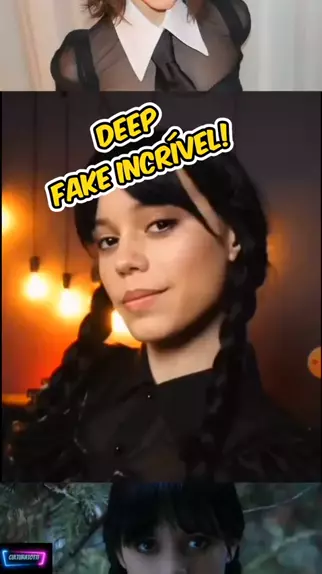
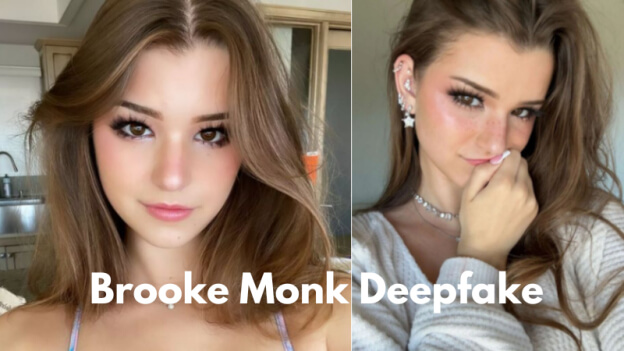
Generative artificial intelligence has unlocked unprecedented levels of creativity, but it has simultaneously unleashed a dark underbelly of digital harassment. Across the internet, everyday users and high-profile creators alike are waking up to the reality that their faces, voices, and likenesses can be stolen and manipulated without their consent. Among those who have spoken out against this violation is popular social media star Brooke Monk. The human cost of deepfakes: Brooke Monk’s story serves as a chilling wake-up call for internet users worldwide, illustrating how rapidly technology can outpace our legal and ethical safeguards.
Understanding the Rise of Generative AI Abuse
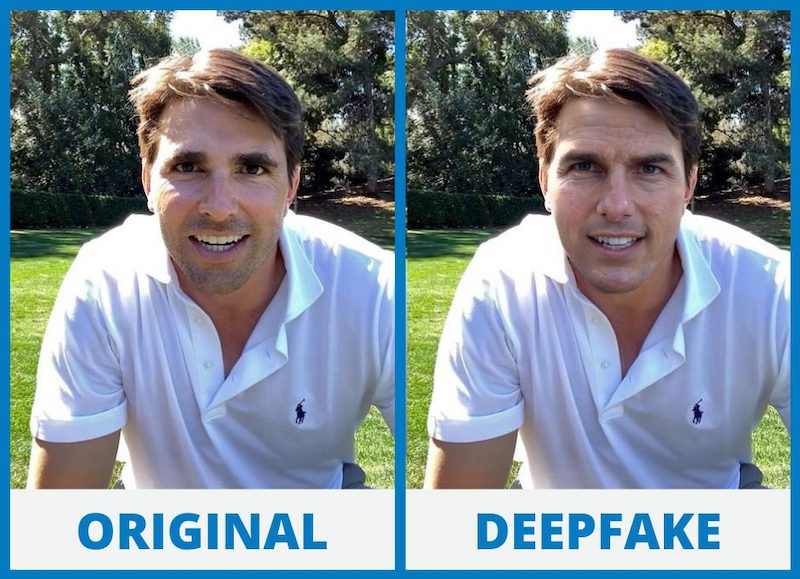
For years, deepfake technology was restricted to Hollywood studios and computer science labs with massive budgets. Today, anyone with an internet connection, a basic understanding of prompting, and access to open-source code can generate hyper-realistic synthetic media in minutes. This democratization of technology has a devastating side effect.
While some use these tools for harmless parodies or digital art, a significant portion of generative AI traffic is weaponized. Bad actors scrape public photos and videos from platforms like Instagram, TikTok, and YouTube to train models capable of producing explicit or deceptive content. The victims have virtually no control over the scraping process, leaving their digital footprints vulnerable to exploitation.
The Human Cost of Deepfakes: Brooke Monk’s Story
Brooke Monk built a massive following through dance trends, comedy sketches, and lifestyle commentary. However, her massive digital footprint also made her a primary target for bad actors seeking to leverage her fame. Like many female creators, she has had to confront the reality that her image is being harvested to create non-consensual altered media.
The psychological toll of this violation is immense. Creators speak of feeling unsafe in their own digital homes—the very platforms where they built their careers. When an artificial intelligence replaces a creator's face in compromising scenarios, it violates their bodily autonomy and personal reputation, even if the content is entirely fake.
The Psychological Trauma for Victims
The impact of deepfakes goes far beyond embarrassment; it is a severe form of psychological abuse. Victims frequently report:
Video: Brooke Monk's Process For Creating Content

- Loss of Control: Knowing that copies of manipulated footage exist indefinitely on dark web forums or unmoderated message boards creates a lingering sense of helplessness.
- Reputational Anxiety: Even though fans and followers often rally to support victims, the anxiety of potential employers, sponsors, or family members seeing the manipulated content is suffocating.
- Hyper-Vigilance: Creators must constantly monitor the internet for unauthorized uses of their likeness, turning content creation into an exhausting security detail.
The Legal and Ethical Vacuum
One of the most frustrating elements of modern digital harassment is the lack of swift legal recourse. Traditional laws regarding harassment, copyright, and defamation were written long before generative AI could synthesize a person's face into a new video seamlessly.
While some jurisdictions are beginning to introduce legislation specifically targeting non-consensual deepfakes, the global nature of the internet makes enforcement notoriously difficult. By the time a platform removes a piece of flagged content, it has often already been downloaded, archived, and re-uploaded elsewhere. Tech companies are under mounting pressure to implement robust watermarking and detection tools, but prevention remains far more difficult than detection.
Protecting Creators and Consumers in the AI Age
Combating the wave of synthetic exploitation requires a multifaceted approach involving tech platforms, lawmakers, and everyday internet users. No single solution can eradicate deepfakes entirely, but collective action can minimize the damage.
Steps Toward Digital Safety
- Stricter Platform Policies: Social media networks must immediately ban accounts sharing non-consensual synthetic media and invest heavily in AI-driven detection algorithms.
- Legislative Reform: Governments must establish clear criminal penalties for creators and distributors of malicious deepfakes, closing loopholes that treat these acts as mere civil infractions.
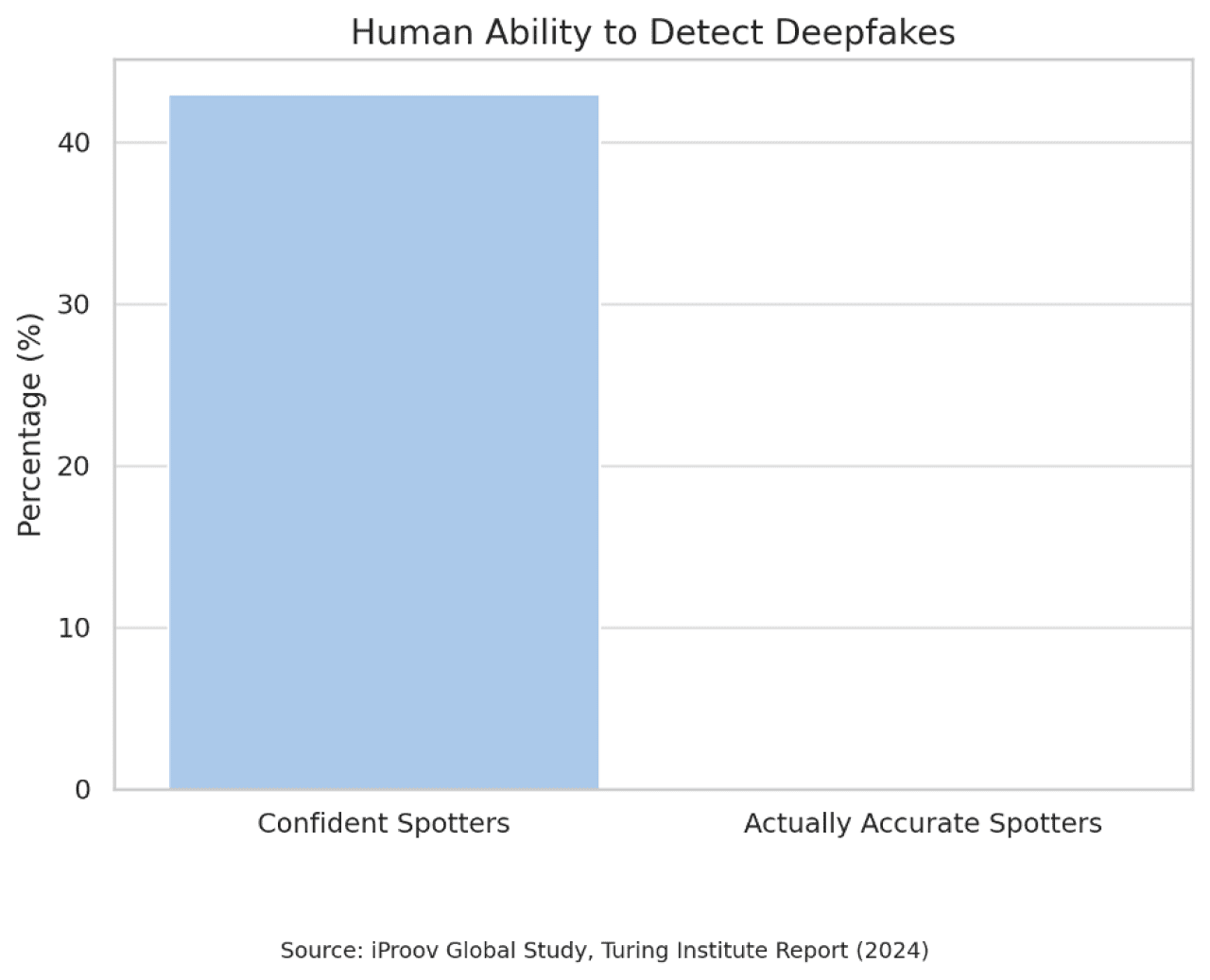
- Digital Literacy: Audiences must become more skeptical consumers of media. Questioning the authenticity of shocking videos helps reduce the social currency that bad actors seek.
Conclusion
The normalization of synthetic media threatens to erode trust in everything we see and hear online. More importantly, it inflicts profound emotional distress on real people who never asked to be part of the experiment. The human cost of deepfakes: Brooke Monk’s story reminds us that behind every social media handle is a living person. Until the tech industry and legal systems catch up, protecting digital citizens will remain an ongoing battle for privacy, dignity, and basic human respect.