The Iconic Song Danger Zone: History, Legacy, and Trivia
When the opening credits of the 1986 blockbuster Top Gun roll across the screen, few tracks capture high-stakes adrenaline quite like the hit song Danger Zone. Performed by Kenny Loggins and composed by electronic pioneer Giorgio Moroder alongside lyricist Tom Whitlock, the track became an immediate cultural milestone. It did not merely support the film; it came to define the audio identity of military aviation, 1980s synth-rock, and cinematic bravado.

Decades after its initial chart run, the anthem continues to captivate listeners across generations. From its punchy synthesizer riffs to its scorching guitar solos, here is the full story of how this high-flying rock classic came together, who almost sang it instead, and why its legacy remains unmatched.
The Origins: Crafting the Sound of Speed
By the mid-1980s, film producers Don Simpson and Jerry Bruckheimer had mastered the art of marrying high-concept cinema with commercial radio hits. Having previously worked on blockbusters like Flashdance and Beverly Hills Cop, they knew that Top Gun required a soundtrack capable of conveying kinetic speed, aerial combat, and raw masculine energy.
To produce the centerpiece track, Simpson and Bruckheimer turned to legendary Italian producer Giorgio Moroder. Known as the "Father of Disco" and a master of synthesizer-driven music, Moroder had already picked up Academy Awards for his work on Midnight Express and Flashdance. Teaming up with mechanic-turned-lyricist Tom Whitlock, Moroder set out to design an aggressive, pulse-pounding rhythm track that could match the visual impact of F-14 Tomcats launching off carrier decks.
Whitlock penned the lyrics with an emphasis on calculated risk, speed, and edge-of-your-seat tension. Lines like "Revvin' up your engine, listen to her howlin' roar" directly mirrored the jet engines that dominated director Tony Scott's visuals.
The Artists Who Turned It Down
While "Danger Zone" is forever linked to Kenny Loggins, he was not the producers' first choice. The song went through an exhaustive circuit of 1980s rock royalty before Loggins ever saw the sheet music.
- Bryan Adams: The Canadian rocker was initially approached to perform the track. Adams declined because he felt Top Gun glorified war and militarism, conflicting with his personal anti-war stance.
- Toto: The members of Toto were strongly considered and nearly recorded the piece, but legal disputes between the band's management and the film producers abruptly halted negotiations.
- Corey Hart: Riding high off the success of "Sunglasses at Night," Hart was offered the song but turned it down, preferring to write and perform his own original material.
- REO Speedwagon: The midwestern rock outfit was also on the producers' shortlist, but contractual disagreements and scheduling issues prevented an agreement.
With production deadlines bearing down, Simpson and Bruckheimer were in desperate need of an established vocalist who could deliver commercial appeal and powerful dynamic range. Fortunately, Kenny Loggins was already on the studio lot working on another soundtrack contribution: "Playing with the Boys."
Recording the Song Danger Zone: Behind the Studio Doors
Kenny Loggins, already crowned the "King of the Movie Soundtrack" thanks to massive hits like "I'm Alright" (Caddyshack) and the title track to Footloose, seized the opportunity immediately. When Moroder played the demo for Loggins, the singer recognized its potential instantly.
Loggins stepped into the vocal booth and delivered an assertive performance far removed from his softer folk-rock roots with Loggins & Messina. To achieve the song's signature vocal grit, Loggins pushed his chest voice to the upper limits of his register, belting the climactic choruses with an aggressive, gravelly delivery.
The Musicians Behind the Wall of Sound
The sonic engine driving the track was built on a foundation of cutting-edge technology and elite session musicianship:
- Giorgio Moroder's Synths: Moroder utilized analog and digital synthesizers to lay down the iconic, galloping bassline that mimics the cadence of a racing engine.
- Dann Huff's Guitars: Renowned session virtuoso Dann Huff (later the frontman of Giant and a legendary Nashville producer) provided the blistering rhythm chords and the soaring lead guitar solos. His tone gave Moroder's synthesizer-heavy production a decisive hard-rock edge.
- Percussive Punch: Blending electronic drum machines with organic snare hits created a tight, driving beat designed to pump through theater sound systems at high volume.
The entire vocal tracking was wrapped up in mere hours, making it one of the quickest and most efficient sessions in 1980s soundtrack history.
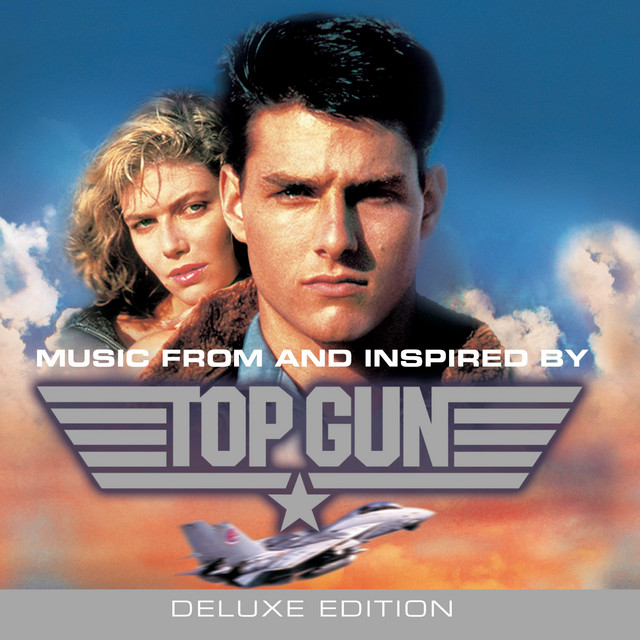
Chart Run and Commercial Phenomenon
Released in May 1986 as the lead single from the Top Gun soundtrack, the song rocketed up international charts. It peaked at No. 2 on the US Billboard Hot 100, held out of the top spot only by Peter Gabriel's "Sledgehammer."
The companion music video, directed by Tony Scott, received heavy rotation on MTV. Intercutting footage of Loggins singing in a dimly lit, smoke-filled room with visceral cockpit and flight deck sequences from the film, the video functioned as a four-minute commercial for the movie itself. The synergistic marketing strategy worked: the Top Gun soundtrack held the No. 1 spot on the Billboard 200 album chart for five consecutive weeks and went on to sell more than 9 million copies in the United States alone.
Pop Culture Resurgence and Lasting Legacy
Many 1980s soundtrack singles faded as trends moved toward alternative rock and hip-hop in the 1990s, but this track bucked the trend. It evolved from a period piece into a perennial pop culture touchstone.
A major driver of its 21st-century resurgence was the animated comedy series Archer. The titular protagonist, Sterling Archer, regularly references the track as his personal mantra, constantly demanding that his colleagues acknowledge the "danger zone." This long-running joke culminated in a 2014 promotional video featuring Kenny Loggins performing a semi-acoustic version alongside Archer himself.
The ultimate validation came in 2022 with the release of Top Gun: Maverick. Director Joseph Kosinski and star Tom Cruise debated whether to include the classic track or commission an entirely modern rock piece for the intro. Ultimately, Cruise insisted that the sequel could not begin without Moroder and Loggins' original work. Opening the 2022 blockbuster with the same roaring jet engines and vintage 1986 audio brought the cinematic journey full circle, introducing the track to millions of younger viewers.
Frequently Asked Questions
Did Kenny Loggins write Danger Zone?
No. The music was composed by Giorgio Moroder, and the lyrics were written by Tom Whitlock. Kenny Loggins was brought in specifically to perform lead vocals.
What key is the song in?
The track is performed in the key of D minor, which lends the song its urgent, aggressive, and dramatic tonal quality.
Why did Tom Cruise insist on using the song in Top Gun: Maverick?
Tom Cruise felt that the original track was synonymous with the visual majesty of naval aviation and crucial to capturing the nostalgia and adrenaline of the original film's opening sequence.


