The imacribaby Leak: Online Safety Lessons
In the digital age, high-profile data breaches and viral incidents catch our attention almost daily. Recently, discussions surrounding The imacribaby Leak: What It Means for Your Online Safety have dominated cybersecurity forums and social media channels. While the specifics of such leaks often get distorted by rumor and sensationalism, the underlying reality remains consistent: digital vulnerabilities affect everyone, from everyday internet users to prominent online personalities.
Understanding what happened during this incident helps us look past the noise and focus on practical takeaways. This article explores the context of the leak, why these events occur with alarming frequency, and what steps you can take to safeguard your own digital footprint.
Understanding the imacribaby Leak
Every major online incident usually starts with a targeted exploit, a compromised account, or insecure cloud storage. While the exact vectors behind the imacribaby leak vary depending on the platform and specific reports, the core mechanics reflect standard digital security failures. When private media or sensitive data enters the public domain without consent, it highlights the fragile nature of online privacy.
Online communities often react with immediate curiosity, leading to massive surges in search traffic and widespread speculation. However, engaging with leaked content or spreading unverified information not only violates personal boundaries but can also expose users to malicious actors waiting to capitalize on the chaos.
Why High-Profile Accounts Get Compromised
Celebrities, influencers, and content creators are frequent targets for cybercriminals. Attackers use several methods to gain unauthorized access to accounts:

- Credential Stuffing: Utilizing automated tools to test stolen usernames and passwords across multiple platforms.
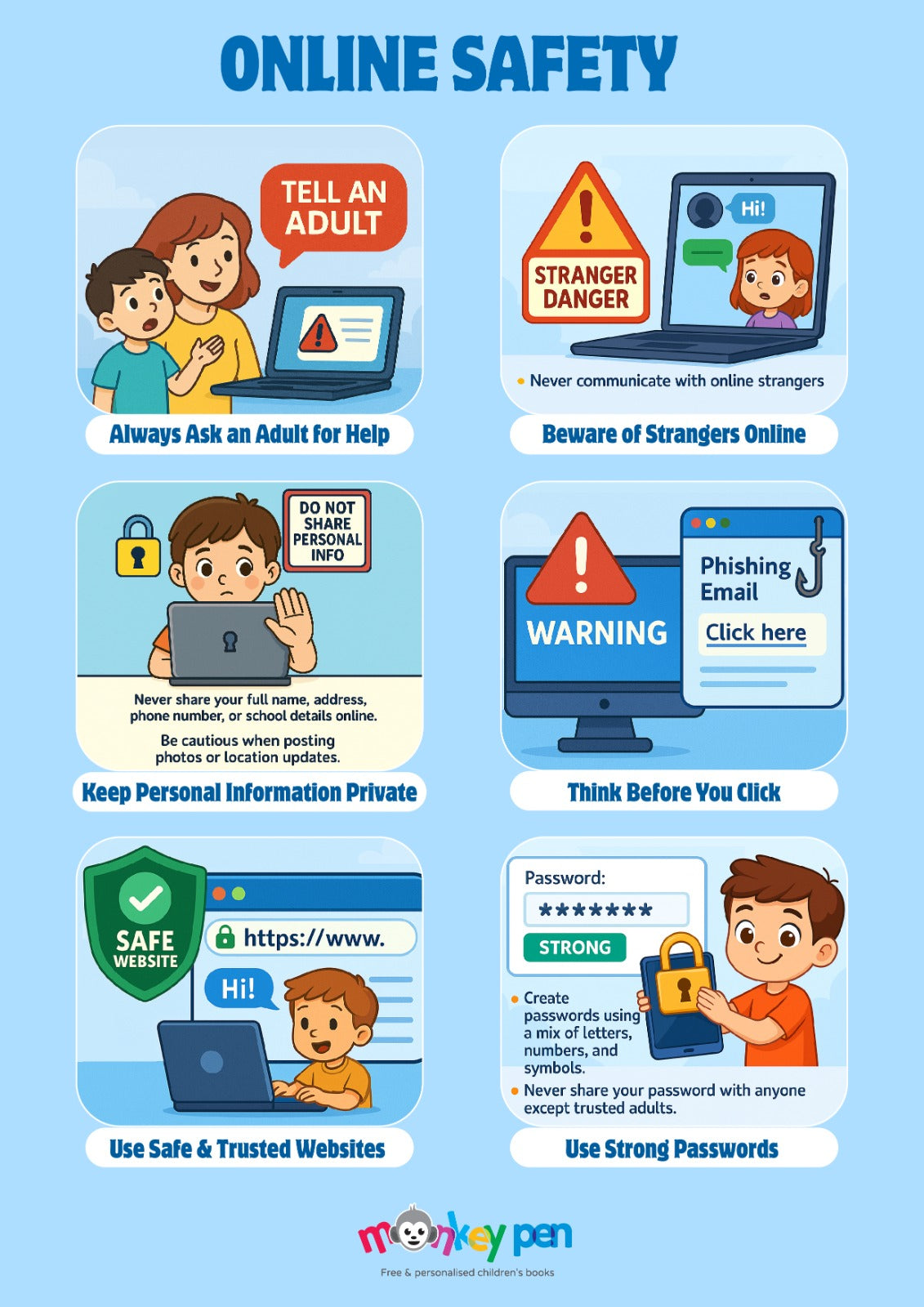
- Phishing Scams: Crafting convincing fake emails or messages designed to trick victims into handing over login credentials.
- Social Engineering: Manipulating platform support staff or the account owners themselves to bypass security checks.
- Weak Authentication: Failing to enable multi-factor authentication (MFA) leaves accounts vulnerable even if a password is guessed or leaked.
Broader Implications for Digital Privacy
Incidents like this serve as a stark reminder that the internet has a long memory. Once digital assets escape private servers, regaining total control becomes nearly impossible. For everyday internet users, the imacribaby leak emphasizes a critical lesson: convenience often comes at the expense of security.
Many people rely on the same password across dozens of websites, store sensitive photos in default cloud backups without realizing privacy settings are set to public, or ignore software updates that patch critical security flaws. When a major breach happens elsewhere, these lax habits create a domino effect.
Actionable Steps to Protect Your Online Safety
You do not need to be a cybersecurity expert to protect your personal information. Implementing a few foundational habits drastically reduces your risk of experiencing a similar privacy violation.
- Use a Reputable Password Manager: Generate unique, complex passwords for every single account you own. Never reuse passwords across platforms.
- Enable Multi-Factor Authentication (MFA): Turn on MFA or two-factor authentication (2FA) wherever possible. Authenticator apps or hardware keys provide much stronger protection than SMS-based codes.
- Audit Your Cloud Storage and Privacy Settings: Regularly check which applications have access to your photos, contacts, and location data. Set your social media profiles to private by default.
- Be Skeptical of Links and Downloads: Never click on unsolicited links claiming to offer exclusive media, account recovery assistance, or urgent security alerts.
- Minimize Your Digital Footprint: Delete old accounts, apps, and services that you no longer use. The less data you leave scattered across the web, the smaller your attack surface.
Conclusion
Incidents involving unauthorized data exposures will likely continue as our lives become increasingly digitized. While we cannot control the security practices of every platform we use, we can take charge of our own digital hygiene. By learning from events like the imacribaby leak and hardening our personal security measures, we can navigate the online world with greater confidence and peace of mind.