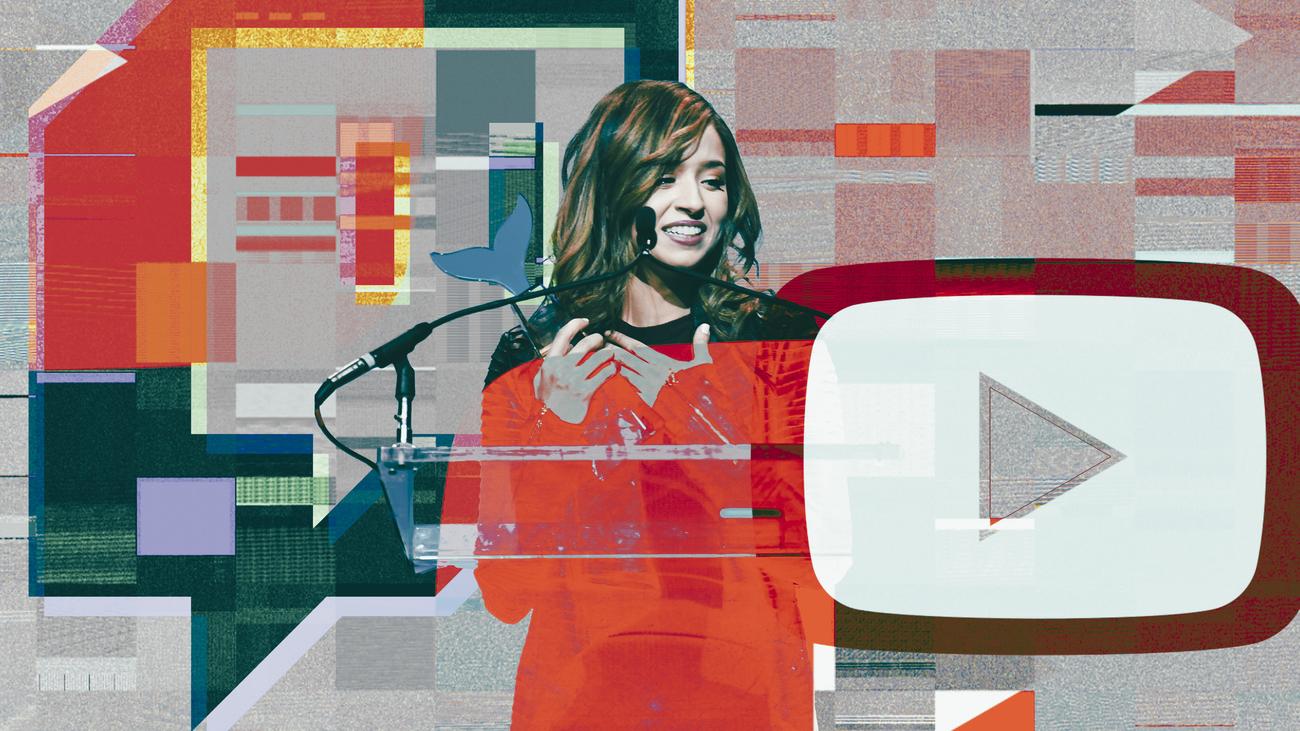
The Internet is Breaking: The Pokimane Scandal No One Expected
The Internet is Breaking: The Pokimane Scandal No One Expected

In the fast-paced world of online content creation, drama is a daily currency. From minor Twitter spats to massive platform bans, audiences have seen it all. However, every so often, an event occurs that genuinely halts the digital world in its tracks. This exact phenomenon captured public attention when fans realized that the internet is breaking: the Pokimane scandal no one expected was rapidly unfolding across social media platforms, leaving both loyal supporters and casual observers entirely bewildered.
Imane "Pokimane" Anys has spent nearly a decade building one of the most stable, enduring brands in live streaming. Known for her measured responses, professional demeanor, and massive multi-platform following, she was widely considered untouchable by the typical brand-destroying controversies that plague modern influencers. That illusion of immunity, however, evaporated overnight when a seemingly routine broadcast spiraled into a full-scale digital crisis.
An Unprecedented Shift in the Streaming World
To understand why this particular controversy sent such massive shockwaves through the creator economy, one must look at Pokimane’s historical positioning. Unlike creators who build their brands on shock value, edgy humor, or confrontational debates, Anys positioned herself as a corporate-friendly pillar of the Twitch community. She was an advisor to platforms, a brand-safe partner for major advertisers, and a mentor-figure to rising talent.
When the friction began, it did not stem from a traditional misstep like offensive past tweets or leaked DMs. Instead, it emerged from a complex intersection of product pricing, fan expectations, and the shifting economics of content creation. The online community, already hyper-sensitive to the financial practices of wealthy influencers, seized upon the narrative with relentless intensity.
The Catalyst: Pricing and Fan Expectations
The spark that ignited the wildfire involved a merchandise drop. In late 2023 and early 2024, creators adjusting to rising manufacturing and shipping costs began altering their pricing models. When Pokimane released a new line of minimalist apparel—specifically a high-end hoodie—she attached a price tag that many viewers deemed excessive.
During a live stream addressing the pushback, her reaction was far from apologetic. Instead of backing down or offering a soft corporate PR response, she delivered a blunt message to her chat: if buyers found the price too high, they were simply "broke" and the product wasn't meant for them. While streamers had certainly used edgy humor before, the tone struck a deep nerve among a demographic already struggling with global inflation and economic uncertainty.
- The Initial Comment: A casual dismissal of customer purchasing power.
- The Chat Reaction: Immediate pushback from long-time subscribers and casual viewers alike.
- The Clip Circulation: Within hours, out-of-context clips saturated TikTok and X (formerly Twitter), amplifying the narrative tenfold.
The Immediate Online Backlash
Video: The Pokimane Drama Just Got Worse

Within twenty-four hours, the discourse shifted from a minor merchandising debate into a full-scale cultural war. Critics weaponized the clip to paint her as out-of-touch, elitist, and ungrateful for the community that funded her lifestyle. Meanwhile, defenders argued that her comments were taken entirely out of context, intended as tongue-in-cheek banter with a notoriously sarcastic community rather than a genuine attack on low-income viewers.
The polarization was absolute. Major commentary channels on YouTube dedicated hours of content to dissecting her net worth, past controversies, and business ventures. Subreddits that usually maintained a neutral stance were flooded with thousands of threads debating the ethics of creator capitalism.
Double Standards and Creator Burnout
As the dust began to settle, industry veterans stepped forward to contextualize the event within a broader conversation about creator burnout and audience entitlement. Many noted a glaring double standard in how male versus female creators are judged for expressing frustration with their communities.
While male streamers frequently use aggressive or dismissive language toward their chat without facing career-threatening backlash, female creators are often held to an impossible standard of perpetual gratitude and grace. This meta-narrative quickly became a central talking point for sociologists of internet culture, adding layers of complexity to an already messy situation.
The Aftermath and Long-Term Impact
Every modern internet scandal follows a predictable life cycle: outrage, over-analysis, fatigue, and eventual normalization. Pokimane took a brief step back from broadcasting to evaluate the situation, returning with a more measured perspective on how her words impact a global audience.
However, the ripple effects of the event lingered:
- Shifts in Merchandise Strategy: Creators across the board began re-evaluating how they price and market physical goods to avoid alienating viewers.
- Communication Evolution: Influencers became significantly more cautious about unscripted, direct-to-camera responses during live chats.
- Audience Awareness: Viewers gained a sharper, more critical lens regarding the vast economic disparity between top-tier streamers and their supporters.
Ultimately, the moment served as a stark reminder of the fragile contract between creators and their audiences. While internet storms come and go with dizzying speed, this particular episode proved that even the most established digital empires are only ever one misspoken sentence away from total chaos.