The Invisible Art: How Jim Henson Brought Magic to TV!
When people think of television history, they often picture glowing screens, dramatic scripts, or brilliant comedic timing. Yet, some of the most profound magic ever broadcast into living rooms relied on a simple illusion: fabric, foam, felt, and a human hand. For decades, master puppeteer and creator Jim Henson redefined what was possible on the small screen. Through relentless innovation and an unmatched understanding of character, Henson proved that puppets could convey genuine human emotion, sparking imaginations across generations.

The Mechanics Behind the Magic
To understand why Jim Henson's work felt so alive, you have to look beneath the surface. Traditional puppetry often involved towering stages with puppeteers looking down at their creations. Henson completely upended this dynamic by utilizing the television monitor itself as the primary frame of reference. By having performers work with their arms raised above their heads, the lower edge of the television screen became the natural boundary of the stage.
This single adjustment changed everything. It allowed puppeteers to watch their monitors in real time, matching their character's mouth movements precisely to spoken dialogue while simultaneously judging the framing and lighting. Suddenly, puppets were no longer just novelty acts tucked away in the corners of variety shows; they were dynamic, three-dimensional actors capable of subtle facial nuances, direct eye contact with the camera, and complex interactions with human guest stars.
Pioneering Materials and Design
Before Henson entered the scene, most professional puppets were constructed from rigid wood, papier-mâché, or heavy cloth. These materials were durable, but they lacked flexibility. Henson and his early collaborators, including his wife Jane Henson and designer Don Sahlin, experimented with unconventional industrial materials to achieve a softer, more organic look.
The Foam Rubber Revolution
The secret weapon of the Henson workshop was flexible polyurethane foam carved to shape and then covered in fleece or fake fur. This material offered several distinct advantages:
- Weight: Foam was exceptionally lightweight, which was crucial for puppeteers holding their arms above their heads for hours at a time.
- Expressiveness: The foam could be easily manipulated, pinched, or stretched to alter a character's expression instantly.
- Lighting interaction: Fleece and modern synthetic fabrics diffused studio lighting softly, eliminating harsh glares and giving the characters a lifelike, tactile warmth.
Don Sahlin famously coined a design rule for the workshop: "If it looks good, it's right." This meant embracing the imperfections of handmade crafts rather than striving for sterile perfection, giving characters like Kermit the Frog and Fozzie Bear an endearing, approachable vulnerability.
Video: Jim Henson Idea Man | Official Trailer | Disney+

Building Worlds: Sesame Street and Beyond
Henson’s breakthrough into educational television with Sesame Street in 1969 proved that puppets could be powerful teaching tools. Working alongside the Children's Television Workshop, Henson and his team created characters designed to reach children on a cognitive and emotional level.
Big Bird, Oscar the Grouch, and Cookie Monster were not merely entertaining; they mirrored the developmental stages of the young viewers watching them. Big Bird represented childhood curiosity and innocence, while Oscar provided a safe space for children to explore complicated feelings like frustration and grumpiness. The invisible art of puppetry was suddenly closing the achievement gap for millions of preschoolers, proving that educational content could be wildly entertaining.
The Ultimate Showcase: The Muppet Show
While Sesame Street proved the educational viability of puppets, The Muppet Show (1976–1981) unleashed Henson’s comedic genius for a global adult audience. Rejected by American networks who didn't understand the demographic appeal, the show found its home through British producer Lew Grade, shooting at ATV's Elstree Studios near London.
The Muppet Show was a logistical nightmare and a technical triumph. Every episode required dozens of specialized puppets, intricate backstage set designs, mechanical rigs, and split-second choreography. Puppeteers operated from scaffolding suspended high above the set, lying on rolling bridges, or crouching inside cramped floor compartments. A single scene might require a puppeteer to hold a heavy rod overhead while singing in character, operating a secondary mechanism with their left hand, and watching a fuzzy black-and-white monitor for spatial reference.
Legacy of an Innovator
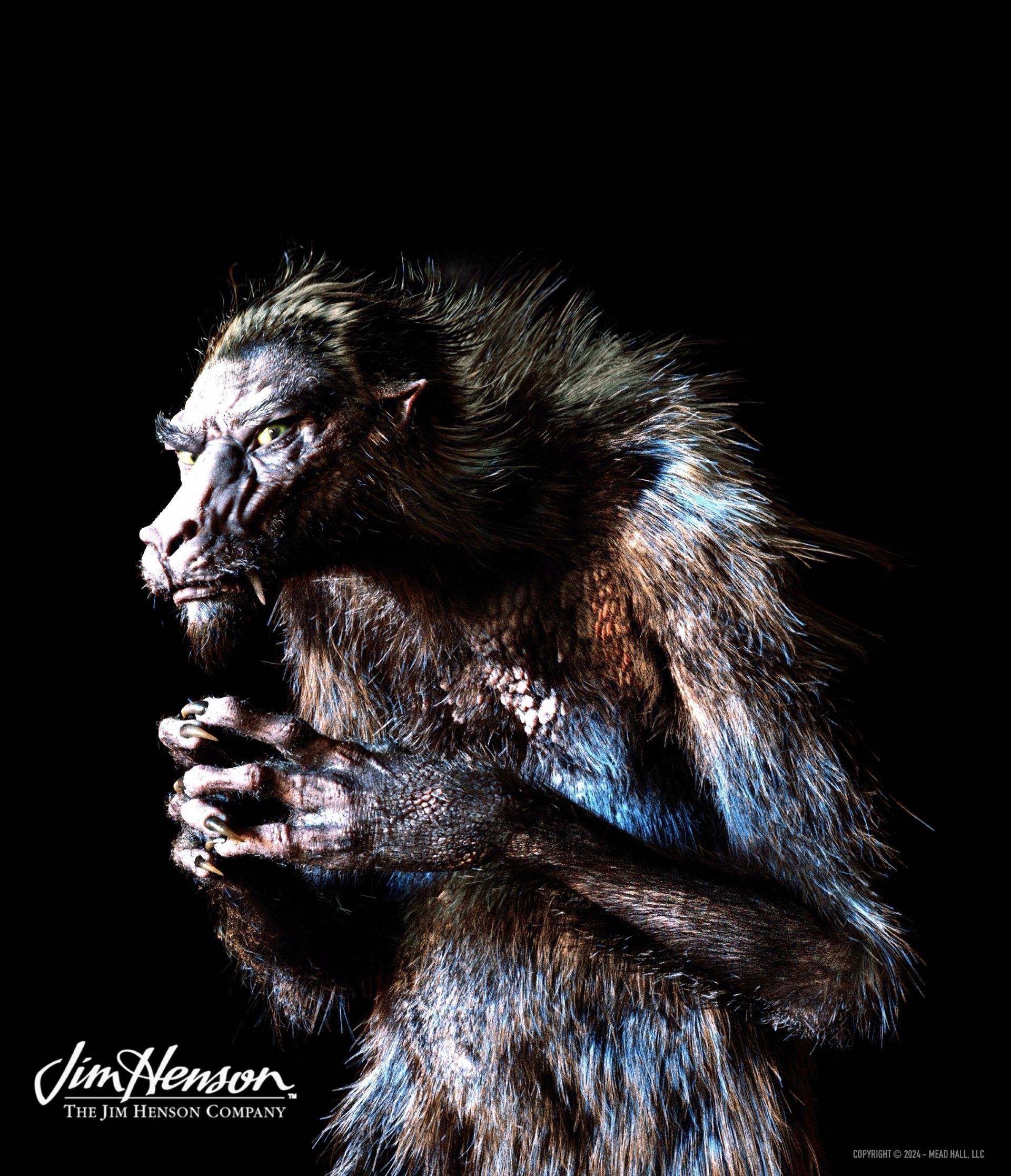
Jim Henson’s influence stretches far beyond the felt characters he left behind. His Creature Shop pioneered early animatronics and computer-generated graphics integration, bringing creatures to life in films like The Dark Crystal, Labyrinth, and The Jim Henson Hour. He treated puppetry not as a dying vaudeville trick, but as a high art form worthy of technical precision and artistic respect.
Ultimately, the enduring magic of Jim Henson lies in his profound empathy. He understood that audiences do not fall in love with complex technology or expensive special effects; they fall in love with sincerity. By pouring his own gentle humor, kindness, and relentless curiosity into his creations, Henson proved that the most convincing illusions are the ones built with heart.