The Jodi Arias Autopsy Photos Controversy
Introduction to the Trial and Media Frenzy

The 2013 trial of Jodi Arias for the murder of her ex-boyfriend, Travis Alexander, captivated the global public. Broadcast gavel-to-gavel on cable news and livesteam platforms, the courtroom drama turned into a cultural phenomenon. Amid the hours of testimony, graphic evidence, and intense character cross-examinations, few subjects generated as much fierce debate as the handling and display of the Jodi Arias autopsy photos.
While photographic evidence is standard in homicide trials to establish the cause and manner of death, the specific details surrounding Alexander's injuries—and how those images were managed in the courtroom and media—sparked a multi-layered controversy involving victim privacy, First Amendment rights, and judicial ethics.
The Nature of the Evidence
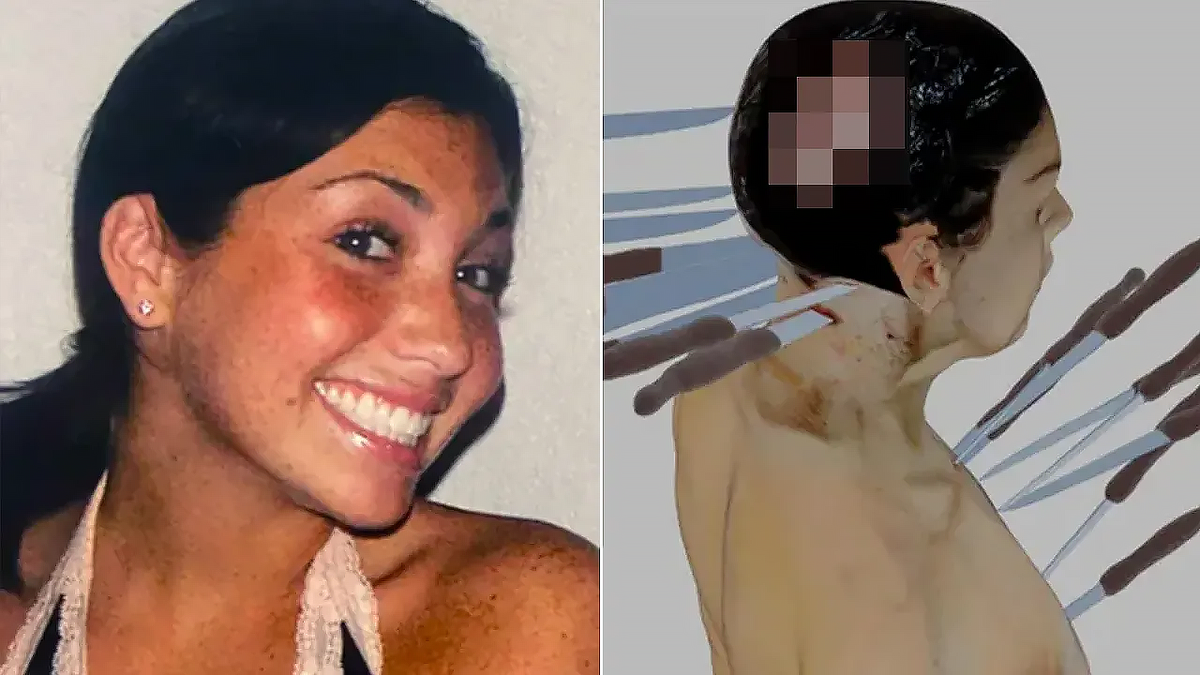
Travis Alexander sustained catastrophic injuries in his Mesa, Arizona, home on June 4, 2008. The medical examiner's findings revealed that he suffered nearly 30 stab wounds, a slashed throat, and a gunshot wound to the head. To prove the premeditated nature of the crime and refute Arias's claims of self-defense, the prosecution relied heavily on forensic evidence.
The official autopsy images documented the severity and precise trajectory of the wounds. In criminal trials, such exhibits are essential for helping jurors understand forensic pathology. However, the sheer brutality of Alexander's injuries meant that the resulting medical photographs were intensely graphic, setting the stage for subsequent courtroom clashes.
The Jodi Arias Autopsy Photos: A Timeline of the Controversy
The controversy surrounding these sensitive images evolved through several distinct phases, stretching from the initial police investigation to the post-conviction era. Here is how the timeline unfolded:
June 2008: Documentation and Confidentiality
Immediately following the discovery of Travis Alexander's body, crime scene technicians and the Maricopa County Medical Examiner's Office photographed the scene and conducted a post-mortem examination. Initially, these records remained confidential, restricted to law enforcement, prosecutors, and the defense team as part of standard discovery procedures.
2013: Courtroom Display and Public Broadcast
Video: Did Arias lie about the camera?
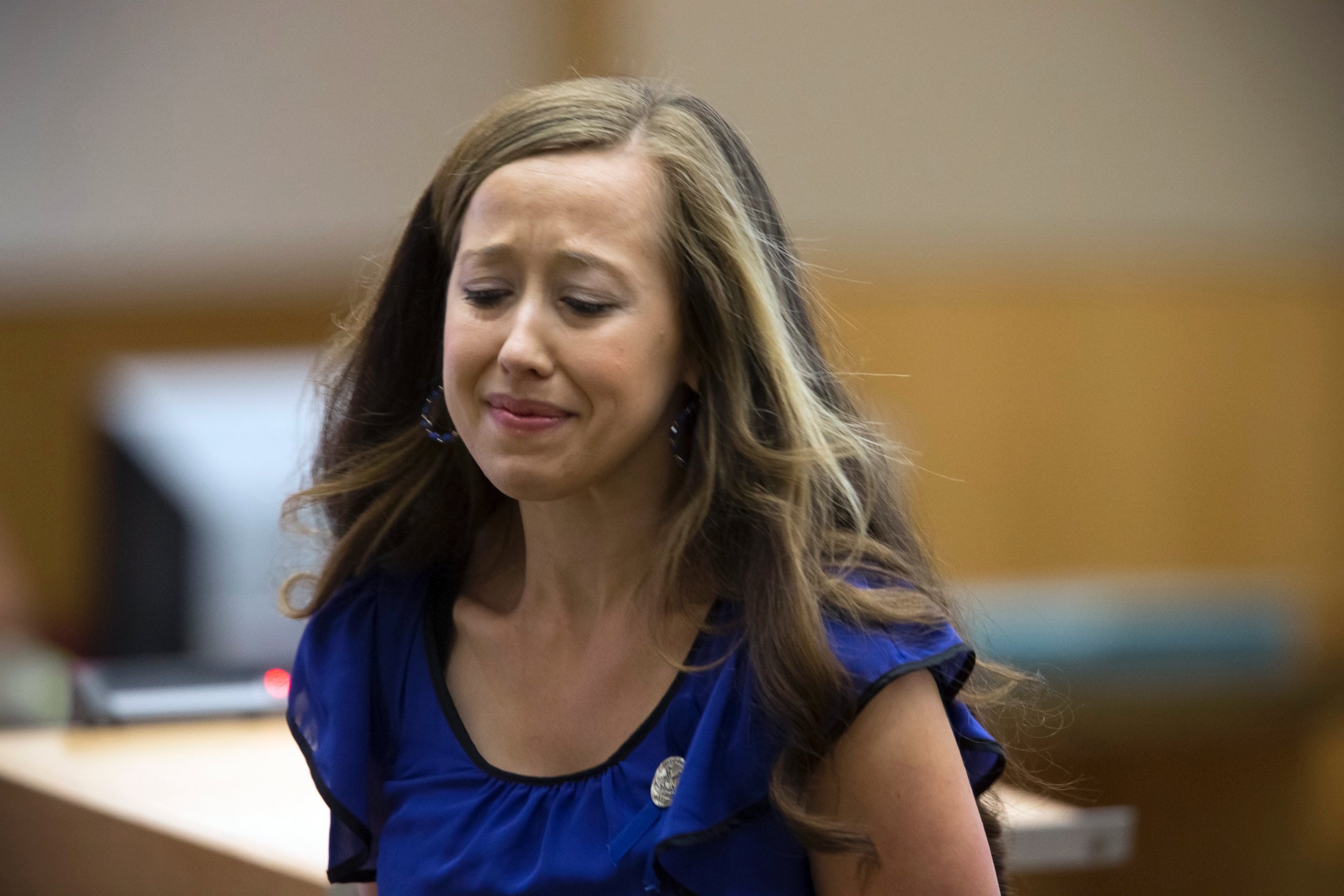
As the trial commenced in early 2013, the prosecution introduced several forensic and autopsy images into evidence to establish premeditation. Because Arizona operates under relatively open public records laws and the judge permitted cameras in the courtroom, tensions quickly mounted:
- Public Exposure: Live television broadcasts blurred or cut away from the most graphic exhibits, but courtroom spectators and media outlets had access to public filings.
- Defense Objections: Arias's defense attorneys occasionally objected to the repetitive display of inflammatory images, arguing they served only to prejudice the jury against their client rather than provide new technical information.
- Judge's Rulings: Presiding Judge Sherry Stephens worked to balance the public's right to open court proceedings with the need to maintain decorum and respect for the victim's dignity.
Post-Trial Public Records Requests
Following Arias's conviction for first-degree murder, true crime enthusiasts, media organizations, and curious individuals submitted public records requests for the trial exhibits, including the medical examiner's file. This triggered a fresh wave of ethical debates regarding the digital distribution of unedited graphic content.
Legal and Ethical Debates
The public availability and courtroom use of the victim's post-mortem images ignited widespread discussions regarding legal ethics and digital age privacy.
Victim Advocacy vs. Open Courts
Supporters of victims' rights argued that publishing or widely circulating graphic medical photographs strips the victim of remaining dignity and inflicts secondary trauma on their surviving family members. Conversely, transparency advocates emphasized that public access to court exhibits ensures judicial accountability, allowing independent journalists and citizens to scrutinize the state's evidence.
The Impact on Jury Proceedings
Legal analysts frequently debated the psychological impact of exposing jurors to dozens of gruesome images. While prosecutors maintained that the photos were necessary to counter Arias's shifting defense narratives—she initially lied to police before claiming self-defense—critics worried that highly emotional imagery could overwhelm objective legal analysis.
Conclusion
The intense focus on the forensic evidence in the Arias case highlights the complex intersection of modern media, open-government laws, and the grim realities of violent crime trials. While the legal proceedings concluded years ago, the discussions sparked by the handling of the sensitive evidence continue to influence how courts balance transparency, justice, and respect for victims in high-profile televised trials.