The Jodi Arias Autopsy: Photos That Rocked the Nation
Few modern criminal trials captivated the public imagination quite like the 2013 prosecution of Jodi Arias for the murder of her ex-boyfriend, Travis Alexander. As the courtroom drama unfolded on live television, public interest quickly bled into morbid curiosity regarding the physical evidence presented to the jury. Among the most discussed and heavily debated elements of the trial was the Jodi Arias autopsy and the graphic crime scene photographs that laid bare the brutal nature of the crime.

Understanding what these medical and photographic records revealed helps contextualize the forensic reality of the case, stripping away the sensationalism to look closely at the medical examiner's findings.
The Investigation and Discovery of Travis Alexander
On June 9, 2008, friends of Travis Alexander forced entry into his Mesa, Arizona home after he failed to show up for a planned trip and stopped answering his phone. They discovered a gruesome scene in his master bathroom. Alexander was slumped in the shower stall, deceased, having suffered catastrophic injuries.
Law enforcement quickly secured the scene, launching an investigation that would eventually point toward Jodi Arias. Arias initially denied being anywhere near Mesa at the time of the murder, but as police recovered digital camera evidence from the scene, her alibi unraveled completely.
What the Jodi Arias Autopsy Revealed
The official autopsy report conducted by the Maricopa County Medical Examiner's Office detailed a sustained and violent attack. The medical findings proved crucial in dismantling Arias's later claims of self-defense.
According to the autopsy, Travis Alexander sustained the following injuries:
- Multiple Stab Wounds: Alexander was stabbed approximately 27 to 29 times across his body, with wounds affecting his torso, back, and vital organs.
- Gunshot Wound: He suffered a .25-caliber gunshot wound to the forehead, which passed through his brain. Forensic experts later debated whether the gunshot or the stabbing occurred first, though testimony suggested he was alive for a significant portion of the assault.
- Defensive Wounds: Severe cuts to Alexander's hands and arms indicated he actively tried to block the knife attacks.
- Slit Throat: A deep incised wound ran from ear to ear, nearly severing his windpipe and jugular vein.
The sheer ferocity of the attack documented in the autopsy report painted a picture of extreme rage and premeditation, heavily influencing the prosecution's narrative.

The Role of the Digital Camera and Crime Scene Photos
What truly separated this case from standard murder trials was the recovery of a digital camera found in Alexander's washing machine, which Arias had attempted to destroy or hide. Investigators successfully recovered deleted image files that created a chilling timeline of the final hours of Alexander's life.
The Timeline of Images
The recovered memory card contained photographs taken on the afternoon of June 4, 2008:
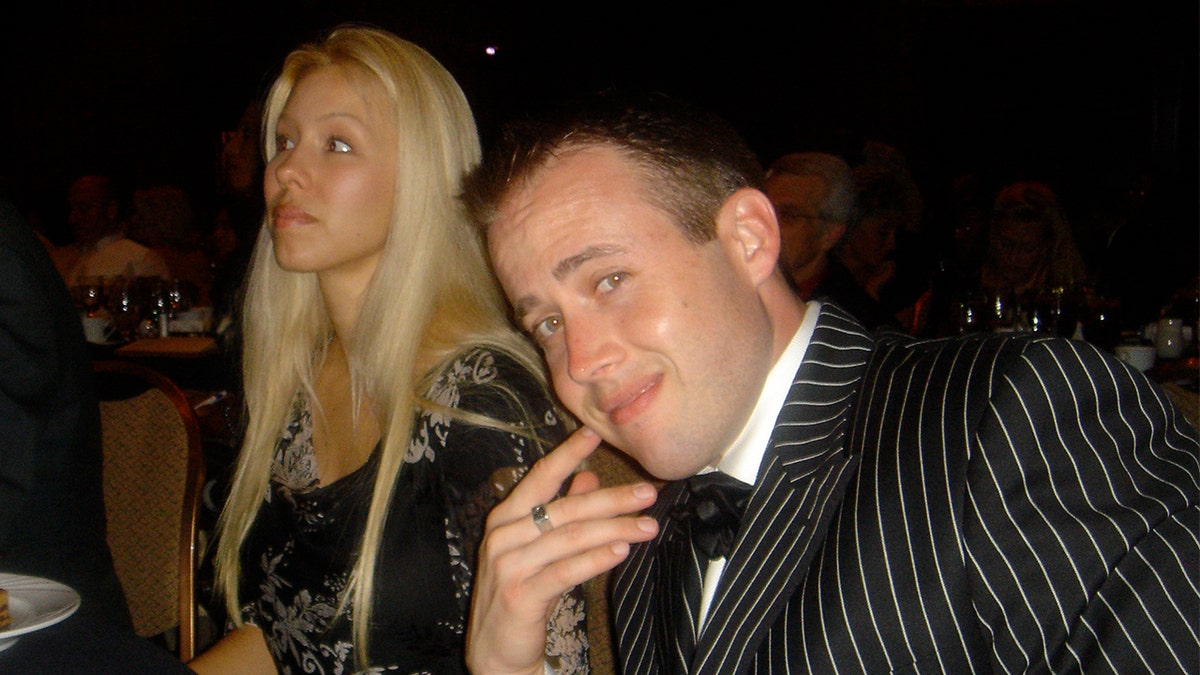
- Happy Moments: Early photos showed Travis Alexander posing in his home, followed by pictures of Jodi Arias smiling.
- The Attack Unfolds: Subsequent photos captured Alexander in the shower, visibly injured and bleeding. Prosecutors used these images to establish the sequence of events and disprove Arias's shifting defense claims.
- Accidental Shots: A few blurry, accidental photos captured the struggle, providing forensic markers that helped reconstruct the physical positioning of both parties inside the small bathroom.
Public Controversy and Legal Boundaries
While the autopsy reports and crime scene photographs were essential pieces of evidence for the jury, their public dissemination sparked intense ethical debates. Media outlets scrambled to obtain trial exhibits through public records requests, leading to widespread online circulation of graphic images.
Legal analysts noted that while transparency is a cornerstone of the American judicial system, the public exposure of such intimate and violent post-mortem images highlights the complex intersection of true crime media consumption, digital permanence, and the dignity of victims.
Conclusion
The evidence presented in the Jodi Arias trial—anchored by the meticulous documentation of the autopsy and the digital recovery of crime scene photos—left little room for doubt regarding the physical mechanics of Travis Alexander's death. Beyond the tabloid headlines and endless media commentary, the forensic record stands as a permanent, scientific account of a tragedy that ultimately led to Arias receiving a life sentence without the possibility of parole.