The Jodi Arias Case: Crime Scene Photos That Will Haunt You
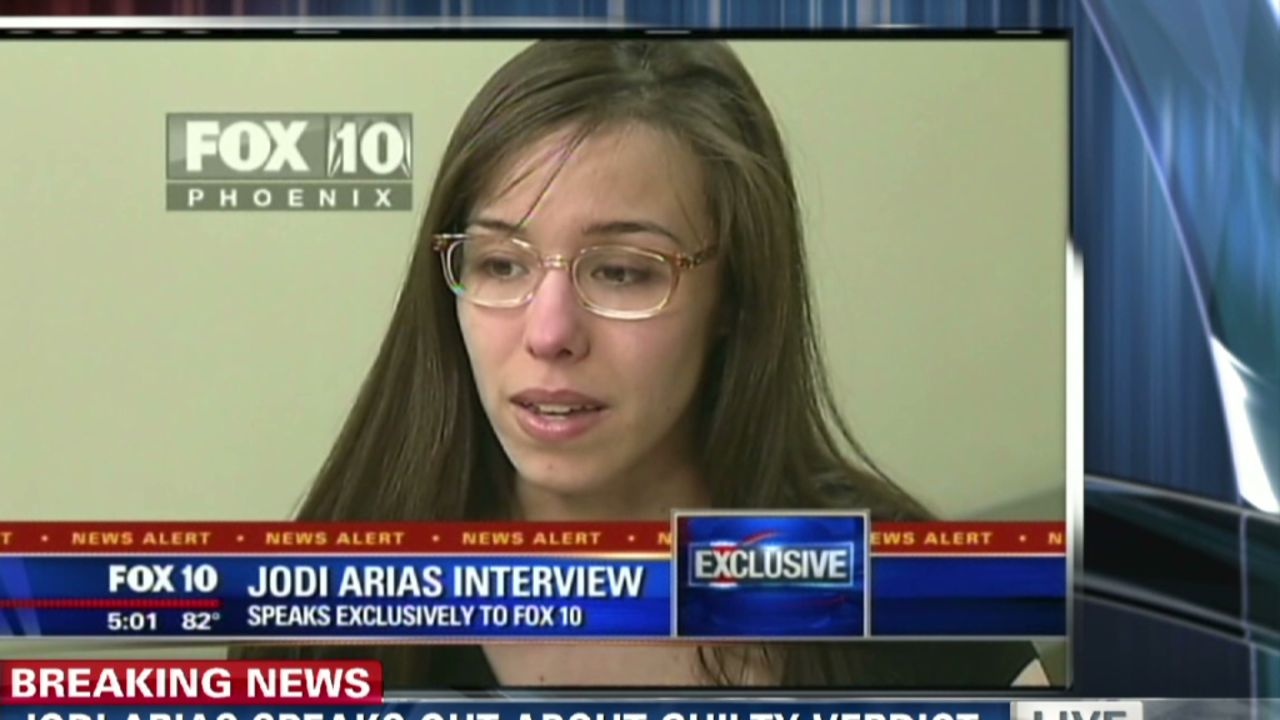
Few modern criminal trials captured public attention quite like the prosecution of Jodi Arias for the 2008 murder of her ex-boyfriend, Travis Alexander. While the courtroom drama, conflicting testimonies, and media circus dominated headlines for months, it was the chilling digital evidence presented to the jury that truly shocked the public. Among the most disturbing aspects of the trial were The Jodi Arias Case: Crime Scene Photos That Will Haunt You, which offered a grim and unfiltered look into the final moments of Alexander's life and the chaotic aftermath that followed.

The Discovery of Travis Alexander
On June 9, 2008, friends of Travis Alexander grew concerned when he failed to show up for a scheduled work conference and could not be reached. Alexander, a 30-year-old motivational speaker and salesman living in Mesa, Arizona, was known for his vibrant personality and active social circle. When several friends went to his home to check on him, they found a horrific scene.
Alexander’s body was discovered in the master bathroom shower. He had sustained nearly 30 stab wounds, a slit throat from ear to ear, and a gunshot wound to the forehead. The brutality of the attack immediately signaled to investigators that this was not a random burglary gone wrong, but a deeply personal act of violence.
The Digital Camera Recovery
One of the most critical breakthroughs in the investigation came not from forensic DNA or fingerprint analysis, but from a Canon EOS 40D digital camera found inside a washing machine in Alexander’s home. The camera had been run through a wash cycle in an apparent attempt to destroy evidence and erase the memory card.
Fortunately, tech-savvy crime lab investigators were able to recover the corrupted data from the camera's memory card. What they found inside transformed the circumstantial case into an airtight narrative. The camera contained a sequential timeline of photographs taken on the afternoon of June 4, 2008—the day Alexander was murdered.
Timeline of the Recovered Photos
The images recovered from the camera provided a haunting minute-by-minute breakdown of the hours leading up to and during the attack:
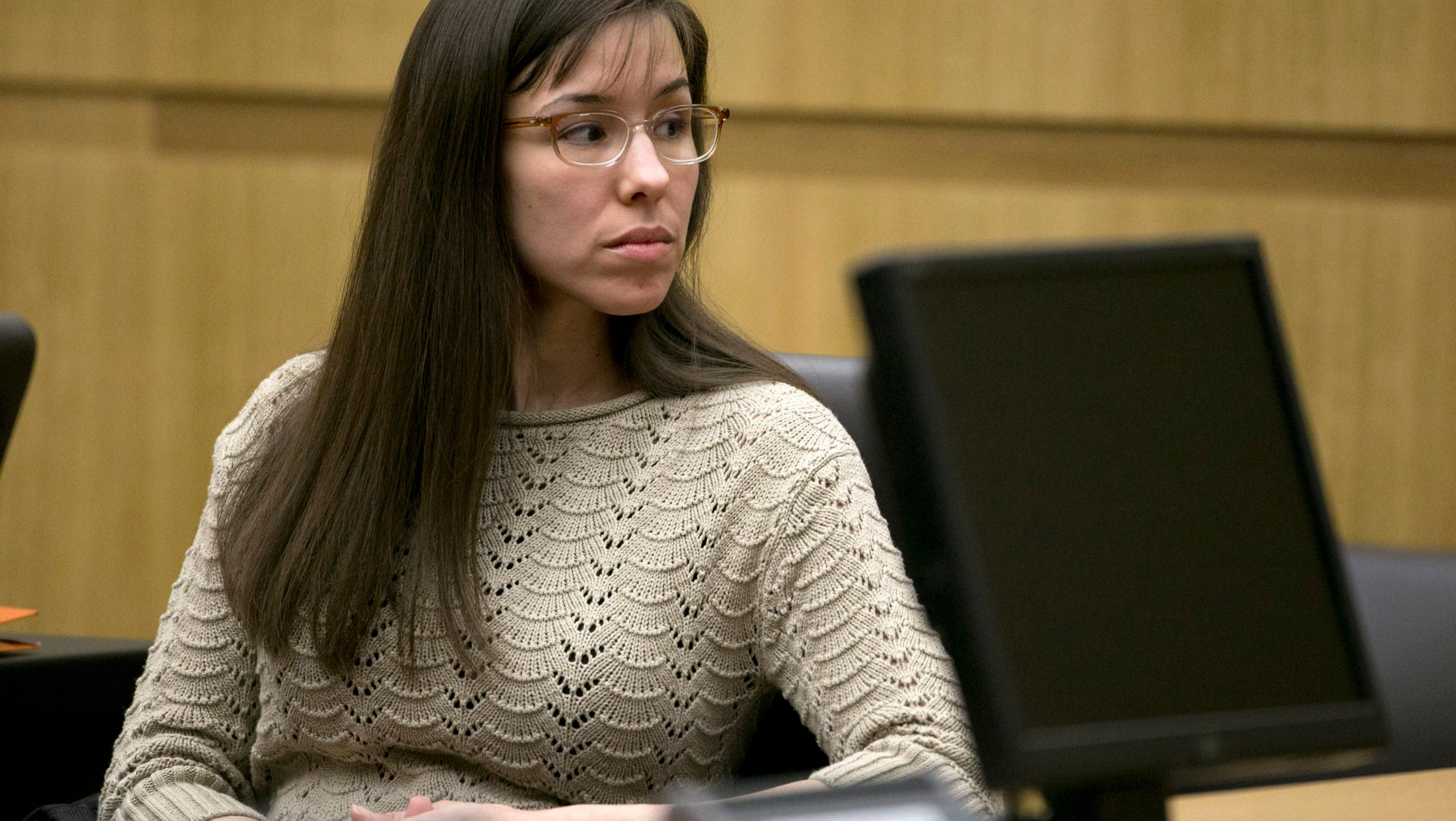
Video: Will grisly photos in Arias trial sway jury?
- Happy Moments: Early photos on the memory card show Travis Alexander posing in his bathroom and bedroom, smiling casually, and appearing entirely at ease.
- Candid Shots: Subsequent photos capture Jodi Arias in the home, interacting normally, which directly contradicted her initial claims to police that she had not seen Alexander in months.
- The Descent into Violence: Later images show Alexander slumped in the shower, bleeding heavily. While the most graphic photos were heavily restricted and viewed only by the court and jury, the sequence cemented the prosecution's timeline.
- Accidental Shutter Releases: In the frantic moments during or immediately after the struggle, several blurry, accidental photos were snapped, capturing body parts and the bathroom floor, sealing Arias's presence at the exact time of the murder.
Forensic Analysis of the Crime Scene
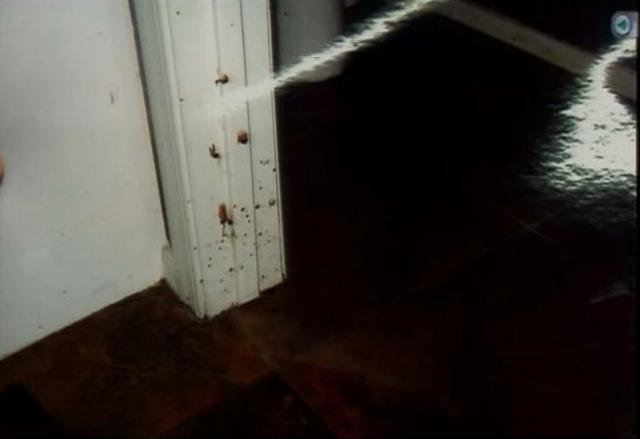
Beyond the recovered camera, the physical crime scene in Mesa offered forensic pathologists and bloodstain pattern analysts a wealth of data. The bathroom was thoroughly coated in blood, indicating a prolonged and violent struggle that began outside the shower and ended inside it.
Key forensic elements included:
- Bloodstain Trails: Cast-off blood patterns on the walls and ceiling indicated the furious arc of a knife being swung repeatedly. Bloody footpaths and palm prints suggested the perpetrator attempted to clean up the area before fleeing.
- Hair and DNA: Strands of hair found clutched in Alexander’s hand and stray DNA samples matched Jodi Arias, placing her squarely in physical contact with the victim during the attack.
- The Missing Weapon: The gun used in the murder was never definitively recovered, though investigators linked a stolen .25 caliber handgun from a burglary near Arias's grandparents' home to the caliber of the bullet that struck Alexander.
Arias’s Changing Story
When initially questioned by law enforcement, Jodi Arias denied any involvement in Travis Alexander's death. She claimed she was hundreds of miles away in California. However, as detectives confronted her with mounting physical evidence—including gas receipts, surveillance footage, and eventually the recovered digital camera photos placing her rental car in Arizona—her story shifted.
Arias eventually altered her defense to claim self-defense. She alleged that Alexander had been physically and emotionally abusive and that he attacked her in a fit of rage, forcing her to fight back for her life. The prosecution, led by Juan Martinez, methodically dismantled this narrative, pointing to the premeditated nature of the attack, the purchase of a gas can, and the lies Arias told police immediately following the crime.
The Legacy of the Evidence
The trial concluded in 2015 with Arias receiving a sentence of life imprisonment without the possibility of parole. However, the true-crime community continues to analyze the case, largely due to the unprecedented nature of the digital evidence.
The crime scene photos and recovered camera data from the Jodi Arias case serve as a chilling reminder of how digital technology can preserve the darkest moments of a crime. They stand in legal history as some of the most comprehensive—and haunting—visual records ever presented in a murder trial, ensuring that the final moments of Travis Alexander's life remain permanently etched in the public consciousness.