The Joseph Murphy Method for Tapping Subconscious Potential
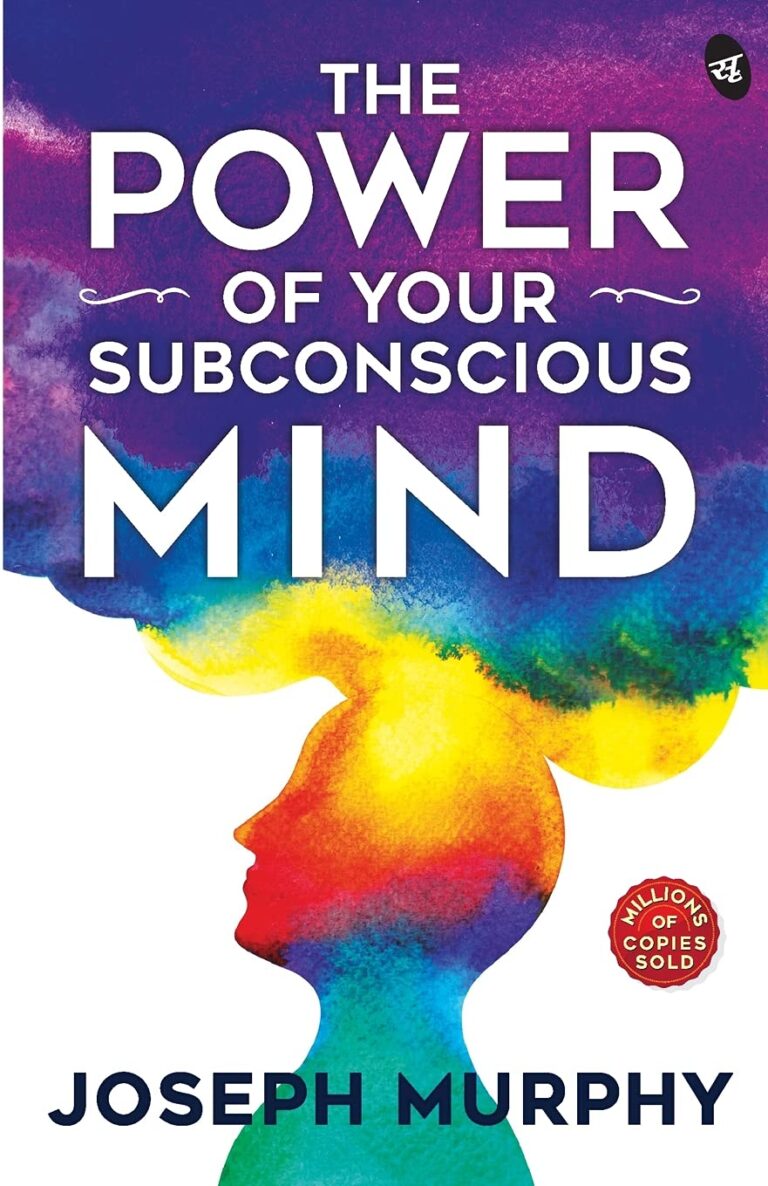
Decades before modern neuroscience popularized the concept of neuroplasticity, Dr. Joseph Murphy was teaching millions how to rewire their internal belief systems. Best known for his 1963 classic, The Power of Your Subconscious Mind, Murphy bridged New Thought philosophy, spiritual wisdom, and practical psychology into a coherent framework. The Joseph Murphy method for tapping subconscious potential relies on a simple premise: whatever your conscious mind assumes and believes to be true, your subconscious mind will inevitably execute and manifest in your external reality.

Murphy did not treat the subconscious as an abstract mystery. He viewed it as an obedient, highly reactive mechanism that functions much like soil. Plant seeds of confidence, health, and abundance, and it yields a corresponding harvest; plant seeds of fear, cynicism, and lack, and it yields stagnation. Tapping this latent power requires intentional, systematic conditioning rather than passive hope.
How the Subconscious Operates: Soil and Seed
To grasp Murphy's framework, you must first understand his model of the dual mind. The conscious mind functions as the architect, the thinker, and the gatekeeper. It processes logic, evaluates options, and exercises volitional choice. By contrast, the subconscious mind is subjective, emotional, and non-judgmental.
The subconscious does not argue, evaluate morals, or cross-examine inputs. It accepts whatever impressions the conscious mind feeds it with conviction and emotional weight. If you repeatedly tell yourself, "I cannot afford this" or "I always ruin relationships," your subconscious accepts these statements as literal instructions and arranges your behavioral patterns to make them come true.
Core Tenets of the Joseph Murphy Method for Tapping Subconscious Potential
Murphy emphasized that brute force willpower rarely changes deep-seated patterns. In fact, he warned that forcing change through tension creates psychological friction. Instead, his approach relies on several foundational principles designed to bypass conscious resistance.
The Law of Reversed Effort
When your desires and your imagination are in conflict, your imagination always wins. If you consciously desire wealth but subconsciously imagine yourself broke, your efforts will produce exhaustion rather than results. Murphy stressed that subconscious reprogramming must happen in a relaxed, effortless state, minimizing intellectual strain.
The Hypnagogic Gateway
The critical factor of the conscious mind acts as a firewall, rejecting ideas that conflict with your current sensory evidence. Murphy identified the drowsy state just before sleep (the hypnagogic state) and right upon waking (the hypnopompic state) as the moments when this firewall drops. During these periods, brainwave activity shifts into alpha and theta states, opening direct access to the deeper subconscious layers.
4 Practical Techniques Developed by Dr. Murphy
Murphy provided concrete, daily practices that anyone can apply without complex rituals. Here are the four primary techniques he advocated throughout his lectures and writings.
1. The Sleep Technique (Quiet Affirmation)
This is arguably Murphy's most famous practice. It takes advantage of the natural lull in conscious resistance that happens right before sleep.
- Get into a comfortable position and consciously relax your physical body from head to toe.
- Condense your desired state into a brief, potent phrase that implies the goal is already fulfilled (e.g., "My body is restoring its perfect balance" or "Divine wealth circulates freely in my life").
- Repeat this phrase slowly, quietly, and rhythmically, like a lullaby, as you drift off.
- Allow the emotion of relief or fulfillment to accompany the words as you lose conscious awareness.
2. The Mental Movie Method
The subconscious responds powerfully to imagery paired with emotion. Murphy advised creating an internal cinematic scene that depicts an event occurring after your desire has been realized.

For example, if you seek a career advancement, do not visualize yourself working hard or begging for a promotion. Instead, visualize your manager shaking your hand, congratulating you, and handing you your new title. Make the image tangible: notice the firmness of the handshake, the tone of their voice, and the internal relief you feel. Run this short mental loop for three to five minutes while in a calm state.
3. The Blanket Technique
One common pitfall when using affirmations is cognitive dissonance. If your bank account is overdrawn and you affirm, "I am a multi-millionaire," your conscious mind immediately counters: "No, you aren't; that's a lie." That doubt ruins the subconscious impression.
Murphy solved this by introducing single-word anchors—words that carry universal, positive meanings without triggering argumentative logic. He frequently instructed students to sit quietly and simply repeat broad conceptual words such as:
- "Wealth"
- "Success"
- "Harmony"
- "Health"
Because there is no declarative claim for the intellect to debate, the mind absorbs the underlying feeling of the word without resistance, saturating the subconscious with its essence.
4. The Thank-You Technique
Murphy considered gratitude expressed in advance to be one of the most potent mental catalysts. In his writings, he cited the story of a man who cured his financial anxiety by sitting quietly three times a day and repeating: "Thank you, Father, for my wealth."
By expressing genuine gratitude prior to the physical manifestation, you assume the reality of the outcome. The conscious mind adopts an attitude of completion rather than yearning, signaling to the subconscious that the provision is already secure.
Structuring a Daily Subconscious Routine
Consistency is the deciding factor in psychological conditioning. Intermittent positive thinking cannot overcome hours of habitual cynicism. To produce lasting shifts, establish a structured daily habit using Murphy's framework:
- Morning (5–10 Minutes): Do not check your phone or consume news upon waking. While your brain is still in a receptive state, spend five minutes repeating constructive statements about how your day will unfold in peace, order, and productivity.
- Midday Reset (2 Minutes): When everyday stressors arise, withdraw attention from external disruptions. Take three slow breaths and silently anchor yourself with a calming concept: "Divine peace fills my mind and heart."
- Evening (10–15 Minutes): Clear your thoughts of unresolved conflicts. Replay any negative interactions from the day in an edited, harmonious form. Then, perform the Sleep Technique until you drift into unconsciousness.
Common Pitfalls to Avoid
Many individuals study Murphy's work but see little tangible change in their lives. This usually stems from two critical errors:
Over-effort and anxiety: Desperately trying to force an affirmation to work broadcasts a state of panic to the subconscious. The subconscious registers the panic, not the words. Relax your body before you begin any mental exercise; receptivity requires stillness.
Post-affirmation contradiction: Spending ten minutes affirming abundance at night, only to spend the next twelve hours complaining about expenses to coworkers, cancels out the mental blueprint you laid down. You must guard your everyday speech and habitual inner monologue with the same diligence you bring to your quiet sessions.
The Lasting Impact of Murphy's Philosophy
Dr. Joseph Murphy’s methods have endured because they strip self-transformation of dogmatic complexity. By recognizing the conscious mind as a selector and the subconscious mind as an executor, you regain control over your life's direction. Through regular, emotionally engaged impressions—especially during moments of physical relaxation—you systematically dissolve self-limiting patterns and tap into the profound, creative intelligence that resides within you.