The Kobe Bryant Autopsy Report: What Was Left Unsaid?
On January 26, 2020, the world was stunned by the sudden and tragic death of NBA legend Kobe Bryant, his 13-year-old daughter Gianna, and seven others in a helicopter crash in Calabasas, California. Months after the accident, the Los Angeles County Department of Medical Examiner-Coroner released the official autopsy findings. While the documents provided a definitive medical account of the physical trauma sustained by all nine victims, public curiosity and media speculation persisted. Analyzing **the Kobe Bryant autopsy report: what was left unsaid** requires separating sensationalized rumors from verified medical facts while understanding the limitations of such public records.
Understanding the Official Autopsy Findings
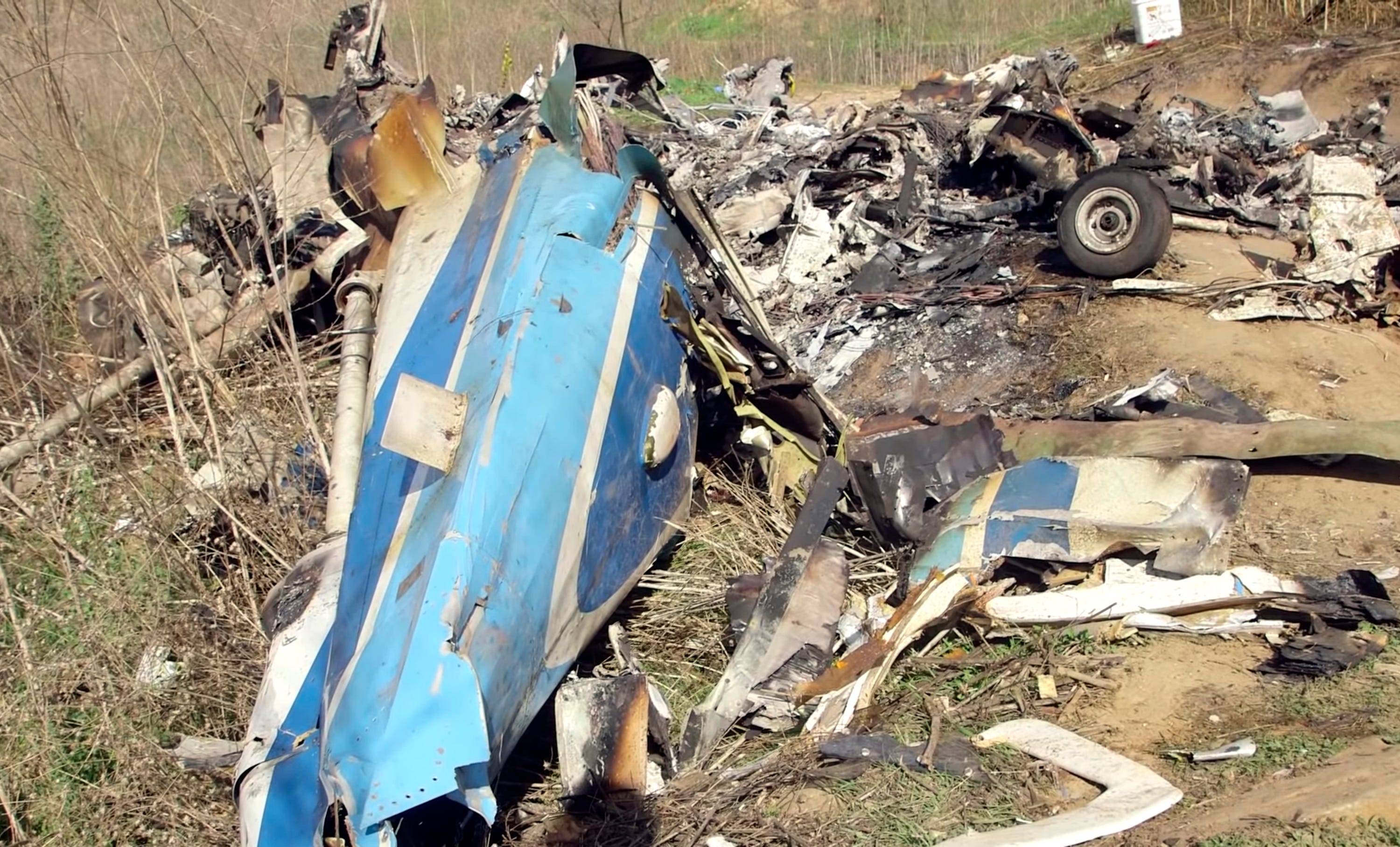
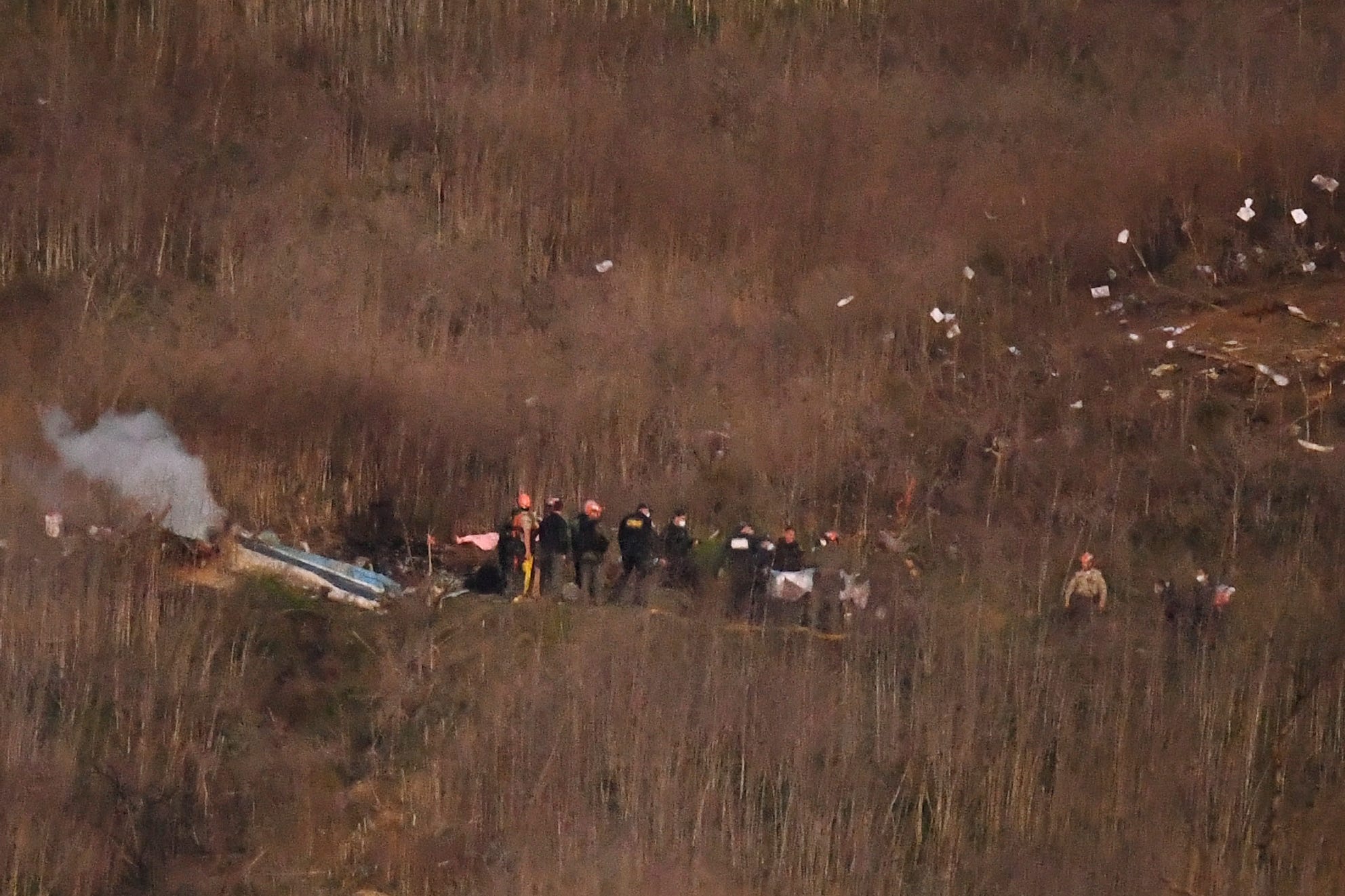
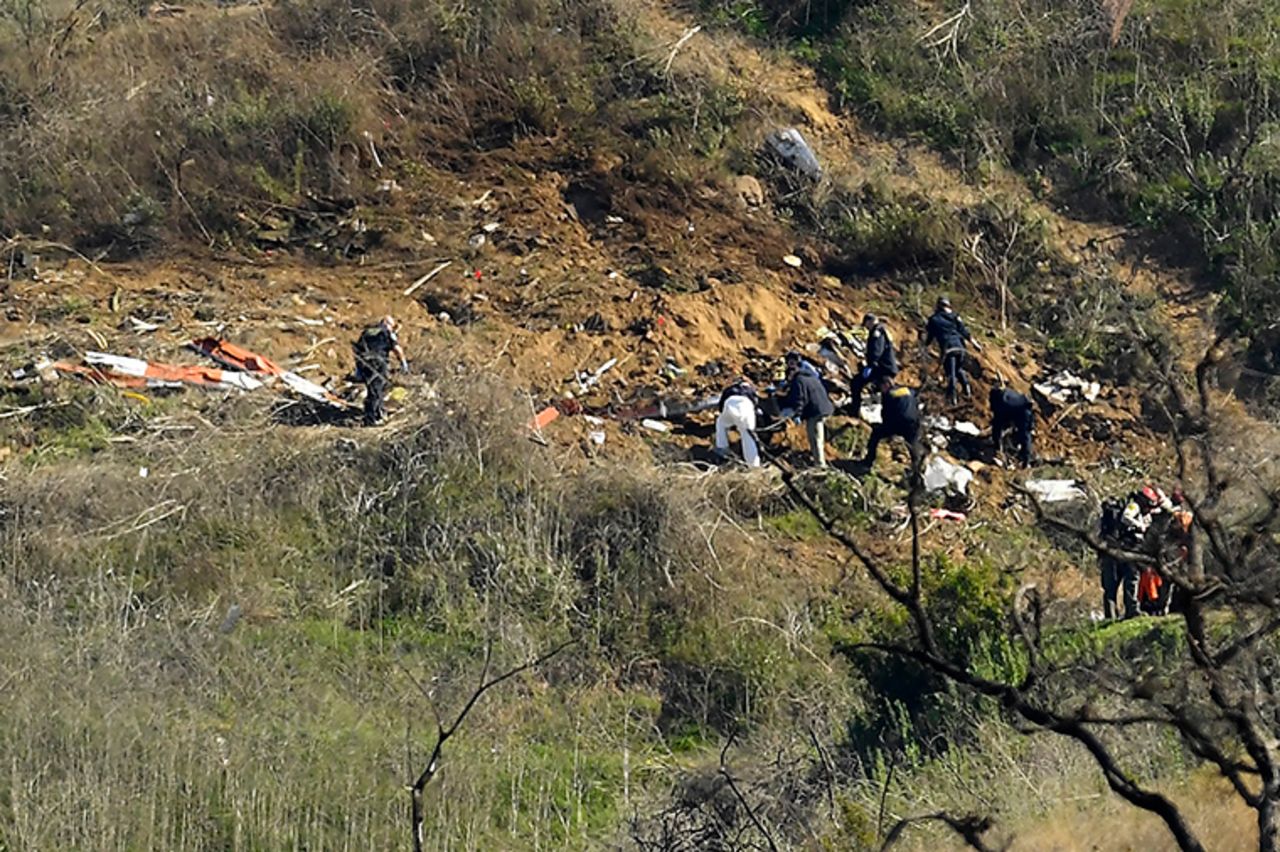
The release of the autopsy reports offered a clinical, step-by-step account of the fatal aviation accident. For Kobe Bryant, the report detailed the catastrophic blunt force trauma he suffered upon impact. Because the helicopter caught fire immediately after crashing into the hillside, the victims sustained extensive thermal injuries alongside severe skeletal and organ damage.
The medical examiner utilized dental records and fingerprint analysis to positively identify the victims. According to the toxicology results included in the report, Bryant tested negative for alcohol and illicit or prescription drugs. The only substance detected was Ritalin, which had been prescribed to him. The cause of death for all passengers was officially ruled as blunt trauma, and the manner of death was classified as an accident.
What the Autopsy Report Did Not Say
When high-profile tragedies occur, public interest naturally extends beyond the immediate medical findings into the chain of events that led to the disaster. This is where many people feel the document left critical questions unanswered. However, it is essential to understand the specific scope of a medical examiner’s mandate.
Pilot Incapacitation and Spatial Disorientation
One of the most persistent questions following the crash involved the physical state of the pilot, Ara Zobayan, immediately prior to impact. The toxicology report for Zobayan showed no alcohol or drugs in his system.
However, the autopsy could not definitively answer whether the pilot suffered a sudden medical emergency, such as a heart attack or stroke, though investigators ultimately concluded that spatial disorientation in heavy fog was the primary culprit. An autopsy can reveal what substances were in a person's body and the physical trauma they experienced, but it cannot fully reconstruct the psychological pressures or sudden perceptual errors a pilot faces inside a cockpit during white-out conditions.
Video: Disturbing Details Found In Kobe Bryant's Autopsy

Weather Conditions and Corporate Oversight
Autopsy reports are strictly medical documents focused on bodies, injuries, and toxicology. Consequently, they do not address external contributing factors such as:
Because these elements fall under aviation safety rather than forensic pathology, they were omitted from the coroner’s findings, leaving investigative heavy-lifting to the NTSB.
The Ethics of Public Medical Records
The public release of autopsy reports for celebrities often sparks intense ethical debates. In California, coroner records are generally considered public records under the state's Public Records Act. Following the crash, Vanessa Bryant and families of other victims fought legal battles to prevent the release of certain graphic photographs taken at the scene, successfully highlighting the tension between public transparency and family privacy.
While the detailed medical descriptions satisfy legal and investigative requirements, they also force grieving families to relive the trauma as media outlets dissect every paragraph. What was left unsaid by the family—and rightly so—was the private grief behind the clinical terminology.
Conclusion: Beyond the Forensic Data
Ultimately, the Kobe Bryant autopsy report served its primary legal and medical purpose: determining the exact cause of death, confirming sobriety, and ruling out foul play. While readers searching for deeper answers about aviation safety, corporate accountability, or meteorological decisions will not find them in a coroner's file, those answers are thoroughly documented in the subsequent NTSB safety reports. The autopsy remains a stark, clinical record of a physical tragedy, while the legacy of Kobe and Gianna Bryant continues to live far beyond the final pages of the public record.