The Laci Peterson Autopsy Pictures: Facts & Controversy
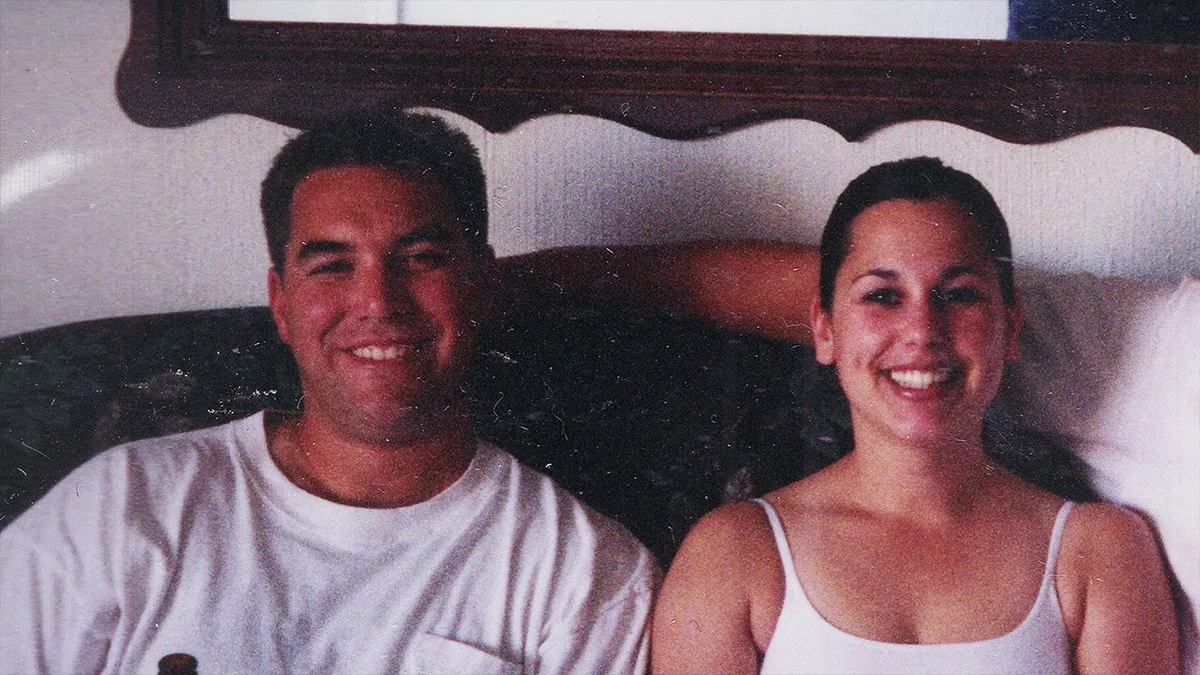
Few American criminal cases have captured the public's sustained attention quite like the tragic murder of Laci Peterson in 2002. As the high-profile trial of her husband, Scott Peterson, unfolded, media coverage reached unprecedented levels. Decades later, public interest persists around various facets of the investigation, including sensitive records and evidence. Among the most debated and heavily guarded elements of the official record are the Laci Peterson autopsy pictures.

Understanding why these images remain a point of discussion requires looking at the intersection of public record laws, courtroom transparency, victim privacy, and sensationalized true crime culture. This article examines the facts, the legal boundaries, and the ethical questions that continue to surround these sensitive judicial files.
The Disappearance and Discovery
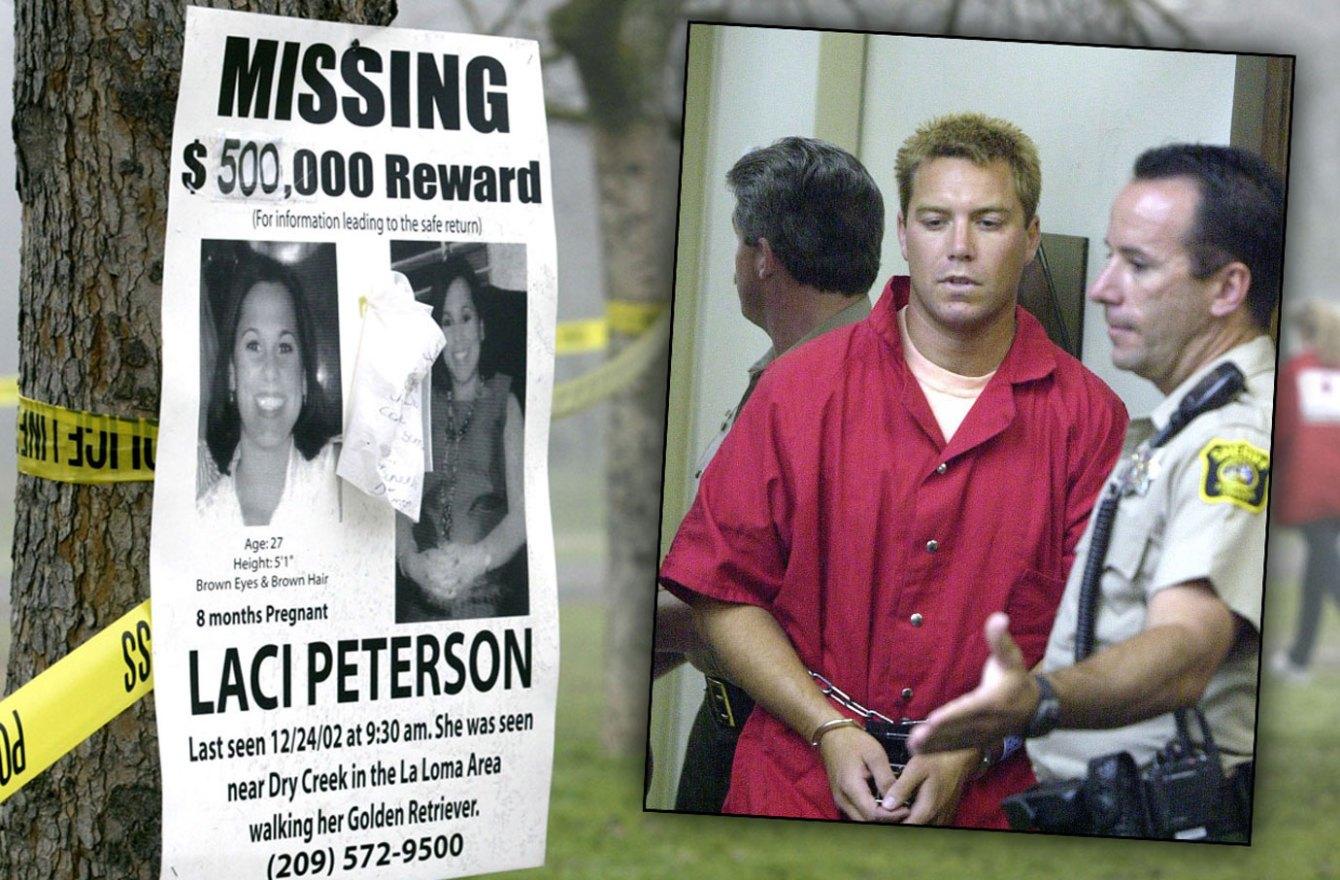
In December 2002, Laci Peterson was eight months pregnant when she vanished from her home in Modesto, California. The nationwide search that followed dominated news cycles for months. Tragically, in April 2003, the bodies of Laci and her unborn son, Conner, washed ashore in the San Francisco Bay, just miles from where Scott Peterson claimed he had been fishing on the day she disappeared.
The recovery of the remains triggered intensive forensic examinations by the Contra Costa County Sheriff's Department and coroner's office. Forensic pathologists conducted autopsies to determine the exact cause and manner of death, documenting their findings through detailed reports, diagrams, and photographic evidence. These records formed a foundational part of the prosecution's case during the 2004 trial, where Scott Peterson was ultimately convicted of first-degree murder for Laci and second-degree murder for Conner.
Legal Status and Public Access to the Autopsy Files
A common point of confusion among true crime enthusiasts involves the availability of forensic evidence to the general public. While court transcripts, trial exhibits, and charging documents are typically part of the public record, forensic photographs—especially post-mortem images—are treated differently under both California and federal law.
Why Autopsy Photos Are Rarely Released
- Victim Privacy and Dignity: State laws generally recognize a post-mortem right to privacy, protecting deceased individuals and their surviving families from undue emotional distress or voyeuristic exploitation.
- Family Consent: In most jurisdictions, coroners and medical examiners will not release autopsy images without the explicit consent of the victim’s immediate family. Laci Peterson’s family has consistently guarded her memory and opposed any public dissemination of sensitive forensic materials.
- Public Records Exemptions: Under the California Public Records Act, autopsy reports and photographs are generally exempt from mandatory public disclosure to prevent the circulation of gruesome or gratuitous imagery.
Courtroom Use Versus Public Domain

During the 2004 trial, certain forensic images were shown to the jury and entered into evidence under strict judicial supervision. Jurors were required to view graphic evidence to understand the medical examiner's testimony regarding the condition of the remains. However, viewing evidence in a secure courtroom setting is legally distinct from releasing those files into the public domain or onto the internet.
The Laci Peterson Autopsy Pictures Controversy
The controversy surrounding the Laci Peterson autopsy pictures primarily stems from the clash between digital-era curiosity and traditional legal privacy standards. In the age of the internet, unverified rumors, speculative blogs, and freedom-of-information requests frequently collide with the ethical boundaries of crime reporting.
Sensationalist websites and dark corners of the internet occasionally claim to host leaked forensic images from high-profile cases. In almost all instances involving the Peterson case, these claims are either fraudulent, misidentified images from unrelated cases, or prohibited leaks. The strict control maintained by California authorities has largely kept these files out of circulation.
Ethical Considerations in True Crime Media
The public's fascination with forensic evidence raises important ethical questions about the consumption of true crime media. As true crime expands across podcasts, documentaries, and social media platforms, consumers and creators alike face ongoing dilemmas regarding the boundary between public interest and morbid curiosity.
- The Impact on Surviving Family: The unauthorized sharing or digital re-creation of violent imagery causes active pain to grieving relatives who are forced to relive their trauma.
- The Sensationalization of Tragedy: Focusing heavily on graphic forensic details can overshadow the human reality of the victim's life and the broader societal lessons of domestic violence and homicide prevention.
- Journalistic Responsibility: Ethical media outlets prioritize reporting on legal arguments, investigative methodologies, and courtroom accountability rather than seeking out or displaying graphic post-mortem photography.
Conclusion
The enduring discussion surrounding the Laci Peterson autopsy pictures reflects a broader cultural tension within the true crime genre. While public transparency is vital for a healthy judicial system, the dignity of victims and the legal protections governing forensic evidence remain paramount. Ultimately, the official records serve their intended purpose within the courtroom—securing accountability—while remaining appropriately restricted from public view to protect the peace and privacy of Laci Peterson's loved ones.