The Leak That's Making Americans Demand Better Online Safety
When billions of records containing Social Security numbers, physical addresses, and background histories appeared on a public cybercrime forum, the collective reaction shifted from fatigue to genuine outrage. It was not just another corporate network compromise; it was the leak that’s making Americans demand better online safety at an unprecedented scale. For years, the burden of digital defense fell entirely on the consumer. Today, as unregulated data brokers quietly assemble and lose dossiers on nearly every adult citizen, the public conversation has fundamentally changed.

The Breach That Shook the Nation: What Happened?
In mid-2024, a criminal threat actor operating under the alias "USDoD" claimed to have exfiltrated the entire database of National Public Data (NPD), a consumer background check aggregator based in Florida. The archive totaled nearly 2.9 billion records, compromising unencrypted Social Security numbers, full legal names, decades of address histories, and family relationships.
Unlike breaches at retailers or social media platforms, almost none of the victims had ever heard of National Public Data, let alone handed over their personal information willingly. The firm acquired its records by scraping public databases, court filings, state registers, and commercial archives without direct consumer consent. When that pipeline ruptured, the fallout was instantaneous: personal records dating back more than thirty years were packaged, distributed, and sold on the dark web for pennies per identity.
This incident arrived on the heels of other systemic digital infrastructure failures, including the massive AT&T metadata compromise through Snowflake cloud environments and the Change Healthcare ransomware attack that crippled medical claims across the country. Together, these compounding crises proved that even the most security-conscious individual can be compromised by third-party intermediaries they never chose to trust.
The Leak That’s Making Americans Demand Better Online Safety
Why did this specific incident spark such fierce backlash compared to past historic breaches like Equifax in 2017? The answer lies in the total collapse of consumer agency.
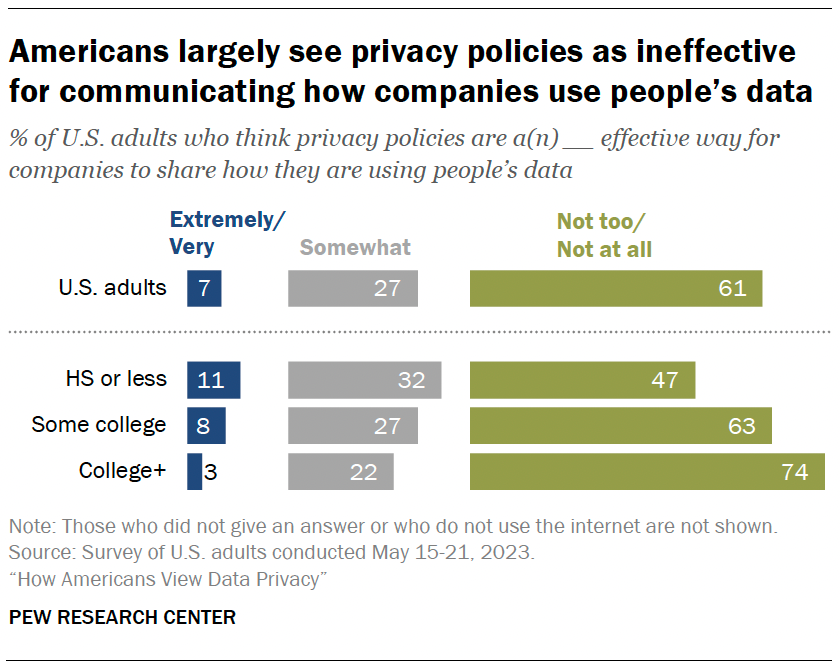
When consumers create an account with a bank or an online retailer, they accept an implicit bargain: personal details in exchange for a service. But the data broker industry operates in the shadows. Everyday citizens cannot easily opt out of databases they do not know exist, nor can they audit the cybersecurity posture of background-check aggregators. The NPD disaster stripped away the illusion that strong passwords and two-factor authentication are sufficient to protect one's personal identity.
As a result, public tolerance for corporate negligence has vanished. Americans are pushing beyond basic credit monitoring handouts and demanding systemic legal changes:
- Accountability for Data Brokers: An end to the unregulated harvesting, packaging, and monetization of personal information without explicit consent.
- Mandatory Data Minimization: Legal requirements compelling businesses to delete personal identifiers once the immediate transaction is complete, rather than retaining them indefinitely.
- Strict Civil Penalties: Substantial fines tied to annual global revenue rather than minor settlements that corporations treat as an ordinary cost of doing business.
The Legislative Response: Bipartisan Calls for a National Privacy Law
The United States remains one of the few advanced economies without a comprehensive federal data protection statute comparable to the European Union's General Data Protection Regulation (GDPR). Instead, the American regulatory environment has been a patchwork of state-level statutes—such as California's CCPA/CPRA, Virginia's VCDPA, and Texas's TDPSA—leaving millions in other states unprotected.

The American Privacy Rights Act (APRA)
Following the breach wave, federal lawmakers renewed their push for the American Privacy Rights Act (APRA). The proposed framework aims to establish a uniform national standard that limits the types of data companies can collect, grants consumers the right to opt out of targeted advertising, and mandates a centralized mechanism to delete personal data from data broker registries with a single request.
FTC Enforcement and State "Delete" Acts
While federal legislation faces procedural friction on Capitol Hill, regulatory agencies and state legislatures are filling the vacuum. The Federal Trade Commission (FTC) has sharpened its enforcement posture against companies failing to implement reasonable security safeguards, treating systemic data insecurity as an unfair trade practice under Section 5 of the FTC Act.
Concurrently, states like California have implemented the DELETE Act, which requires data brokers to register with the state and directs the Privacy Protection Agency to build a single portal where consumers can request the deletion of their personal information across all registered brokers at once. Several other state legislatures are now introducing identical bills.
How to Protect Your Identity Right Now
While policy reform progresses through state and federal channels, individuals must take proactive, defensive measures. Relying on commercial credit-monitoring services alone is insufficient. Implement these high-impact steps immediately:
- Freeze Your Credit at All Major Bureaus: A credit freeze prevents lenders from accessing your credit report to open new accounts, neutralizing the primary utility of a leaked Social Security number. You must freeze your file individually at all three major agencies—Experian, TransUnion, and Equifax—as well as secondary bureaus Innovis and the National Consumer Telecom & Utilities Exchange (NCTUE). Freezing and unfreezing credit is completely free by law.
- Obtain an IRS Identity Protection PIN (IP PIN): Identity thieves frequently use stolen SSNs to file fraudulent tax returns early in the season to claim fake refunds. Setting up a 6-digit IP PIN through your IRS.gov account ensures that no tax return can be filed in your name without that rotating code.
- Lock Down Your Social Security Administration Account: If you have not created your personal "my Social Security" account on SSA.gov, do so before a fraudster does. Claiming your legitimate profile prevents unauthorized parties from diverting benefits or altering your employment history.
- Submit Data Removal Requests: Opt out of prominent people-search engines (such as BeenVerified, Whitepages, Radaris, and Spokeo). While manual removal takes time, reputable automated privacy services can manage recurring removal requests on your behalf.
- Adopt Hardware-Backed Authentication: Eliminate SMS-based two-factor authentication wherever possible. Use authenticator apps (like Aegis or Google Authenticator) or physical security keys (like YubiKeys) to protect your primary email, banking, and mobile carrier accounts from SIM-swapping attacks.
The Road Ahead: From Individual Vigilance to Systemic Reform
No amount of consumer diligence can prevent an unregulated third-party data vendor from being infiltrated. The conversation has decisively moved past basic digital hygiene tips. Americans are recognizing that individual responsibility cannot solve an architectural failure in how personal data is legally treated.
Until federal law classifies sensitive identifying data as liability-bearing assets rather than free commodities to be scraped and monetized, breaches will continue. The outrage sparked by recent leaks is not fleeting—it marks a permanent shift toward genuine accountability, stronger legal rights, and a digital economy built around consumer consent rather than commercial exploitation.