The Legacy of Older White Male Actors Over 60
In contemporary cinema, few dynamics are as striking as the enduring presence of Hollywood's veteran stars. For decades, the conventional wisdom of the entertainment industry dictated that leading performers had an expiration date, with youth and athletic vigor driving box-office returns. However, the legacy of older white male actors over 60 represents a profound counter-narrative. Far from fading quietly into retirement, figures such as Anthony Hopkins, Harrison Ford, Willem Dafoe, and Robert De Niro have transformed late-stage performance into a golden era of artistic reinvention and commercial dominance.
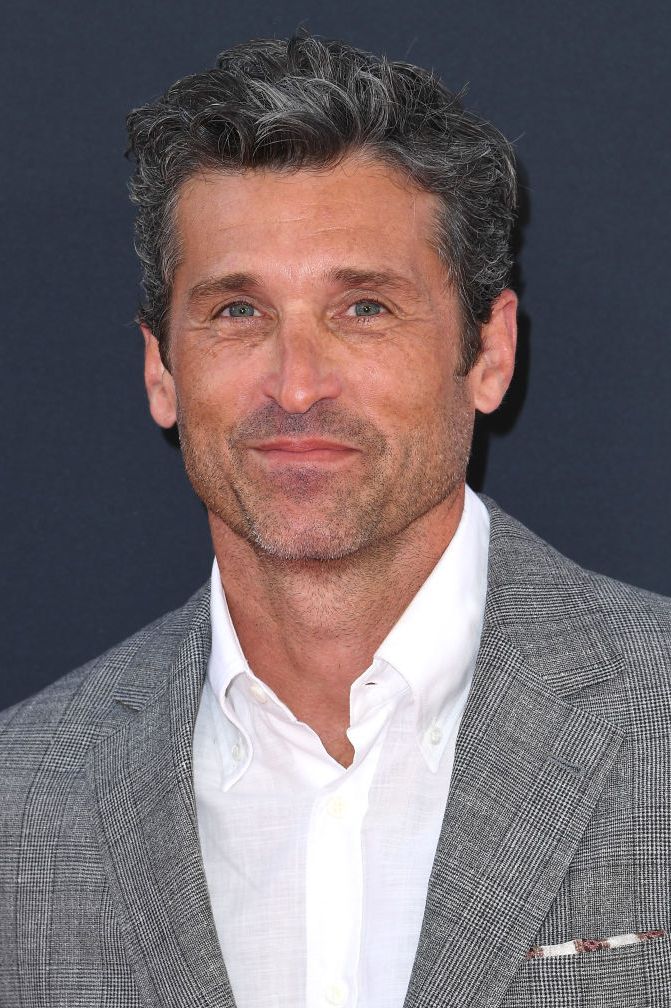
This demographic has not only sustained public fascination but has also shaped cinematic storytelling. By trading traditional heroics for vulnerability, psychological complexity, and gravitas, these performers have redefined what it means to age on screen, leaving behind a body of work that continues to influence audiences and industry trends alike.
The Enduring Cultural Legacy of Older White Male Actors Over 60
To examine the legacy of older white male actors over 60 is to understand how American and international cinema evolved across the late 20th and early 21st centuries. In earlier eras of Hollywood, actors past middle age were often relegated to formulaic mentor archetypes, cantankerous grandfathers, or brief cameos. Today, veteran actors frequently headline critically acclaimed dramas, prestige television series, and massive studio tentpoles.
This shift began taking root as the generation that defined the "New Hollywood" movement of the 1970s and the blockbuster era of the 1980s aged alongside their audience. These actors brought with them an ingrained cultural familiarity. When viewers watch an actor like Al Pacino or Jeff Bridges, they bring decades of collective memory to the theater, infusing late-career roles with an unearned emotional resonance that younger performers simply cannot replicate.
Artistic Reinvention: Turning Age into Nuance
Rather than resisting the aging process through cosmetic vanity or repetitive action heroics, many of the most successful veteran actors have actively embraced the physical and emotional realities of growing older. This artistic evolution has produced some of the most lauded performances in modern cinema history.
1. Anthony Hopkins: Vulnerability and Cognitive Decline
At age 83, Sir Anthony Hopkins won an Academy Award for Best Actor for his role in Florian Zeller’s The Father (2020), becoming the oldest person to win a competitive acting Oscar. Hopkins did not rely on the grandiosity of his career-defining Hannibal Lecter; instead, he stripped away all defenses to portray a man unraveling under the weight of dementia. His performance proved that advancing age allows for an emotional transparency and technical precision that rival the peak years of youth.
2. Willem Dafoe: Fearless Physicality and Auteur Cinema
Willem Dafoe (born 1955) has continually resisted traditional senior casting by partnering with visionary directors such as Yorgos Lanthimos (Poor Things), Robert Eggers (The Lighthouse), and Sean Baker (The Florida Project). Dafoe’s late career demonstrates that an actor over 60 can remain avant-garde, eccentric, and deeply committed to physically challenging character studies.
3. Jeff Bridges: Rugged Vulnerability

Bridges transitioned from counter-cultural antihero in The Big Lebowski to an authoritative, world-weary figure in works like Crazy Heart (earning him an Oscar past age 60) and the neo-Western Hell or High Water. Bridges embodies a uniquely American archetype: the battered, stoic figure grappling with regret and the consequences of a lifetime of choices.
The Franchise Factor: Nostalgia and Modern Blockbusters
Hollywood studios have increasingly turned to veteran performers to anchor high-budget franchise films, relying on their historical screen presence to lend weight to fantastical worlds. This trend serves two purposes: it appeals to multi-generational demographics and grounds high-concept narratives in emotional realism.
- Harrison Ford: Ford's return to iconic roles past age 70—including Han Solo in Star Wars: The Force Awakens, Rick Deckard in Blade Runner 2049, and Indiana Jones in The Dial of Destiny—provided poignant meditations on grief, time lost, and legacy.
- Michael Keaton: Reprising his signature role as Bruce Wayne in his seventies demonstrated how elder superhero portrayals can add dramatic stakes to otherwise formulaic comic-book narratives.
- Ian McKellen: McKellen’s turn as Gandalf in The Lord of the Rings and Magneto in the X-Men series established him as the gold standard for blending classical British stage technique with modern blockbuster appeal.
Deconstructing Patriarchal Archetypes
A central element of this legacy is how these actors have dismantled outdated cinematic masculine tropes. In the mid-20th century, aging male characters were frequently depicted as unquestioned authorities, heroic patriarchs, or invulnerable leaders. Today, the roles written for and performed by veteran actors lean heavily into critique and deconstruction.
Consider Martin Scorsese’s The Irishman (2019), which brought together Robert De Niro, Al Pacino, and Joe Pesci—all well into their seventies at the time of filming. Rather than glorifying the violent bravado of their past gangster triumphs (Goodfellas, The Godfather, Casino), the film presented a somber, devastating deconstruction of aging, loneliness, and the hollow consequences of a life built on violence. The final frames of De Niro sitting alone in an assisted-living facility served as an intentional anti-climax, reframing the mobster genre through the lens of inescapable decay.
Industry Realities: Privilege, Longevity, and Hollywood Equity
Any comprehensive analysis of this demographic must address the structural realities of Hollywood. Historically, older white male actors have enjoyed institutional longevity that has rarely been afforded to older female performers or actors of color. While veteran male stars are frequently cast alongside women decades younger or given leading roles well into their seventies and eighties, female counterparts have long documented the abrupt decline in complex roles once they pass age 40.
Furthermore, while icons like Denzel Washington and Samuel L. Jackson have built parallel monumental careers over the age of 60, the sheer volume of high-profile scripts historically written for older white male actors highlights the demographic imbalances that modern casting directors and studios are only now systematically addressing. Acknowledging this context does not diminish the individual craftsmanship of these performers; rather, it places their careers within the larger economic and cultural machinery that made such sustained visibility possible.
The Enduring Blueprint for Future Generations
The collective body of work created by older white male performers over the past two decades has set a new benchmark for career longevity in the performing arts. By refusing to let age signify creative decline, these actors have proven several vital truths about cinematic storytelling:
- Emotional Weight Deepens with Time: Life experience, loss, and physical changes provide actors with tools that youth cannot manufacture.
- Audiences Value Realism Over Perfection: Weathered faces, imperfect posture, and raspy voices tell richer visual stories on high-definition screens than digital de-aging ever could.
- Cinema Needs Multigenerational Dialogue: When older actors engage with younger co-stars—such as Gary Oldman opposite younger ensembles in Oppenheimer or Slow Horses—narratives gain a layered dynamic that reflects the true complexity of human society.
Ultimately, the lasting impression left by these actors is not merely a record of box-office receipts or award citations. It is the realization that cinema is at its most potent when it reflects the full span of human experience, embracing every wrinkle, hesitation, and hard-earned insight that comes with a life lived on camera.


