The Legacy of the Pro Wrestling Family
Professional wrestling is a unique blend of athleticism, theater, and combat sports, but at its core, it is an industry built on relationships. While rivalries draw crowds, bloodlines sustain the business. Across generations, the concept of a pro wrestling family has captured the imagination of fans worldwide. These wrestling dynasties do more than just share a last name; they carry forward traditions, training methods, and an undeniable aura that spans decades.

Understanding how these families operate reveals the inner workings of an otherwise secretive industry. From the territories of the mid-20th century to the global juggernauts of modern sports entertainment, family legacies remain the bedrock of wrestling history.
The Anatomy of a Pro Wrestling Family
In traditional sports, children of famous athletes face immense pressure to live up to their parents' names. In professional wrestling, that pressure is compounded by the scripted yet physically punishing nature of the business. A pro wrestling family functions almost like a medieval guild, where secrets, techniques, and promotional connections are passed down from fathers and mothers to sons and daughters.
Veterans often test their children not just in the backyard ring, but through the grueling reality of professional training. If a second- or third-generation star makes it to the televised stage, it is rarely due to nepotism alone; the industry's demanding travel schedule and physical toll weed out anyone who lacks genuine dedication.
Legendary Dynasties That Shaped the Industry
Several families have left an indelible mark on the squared circle. Their stories define the evolution of professional wrestling from regional carnivals to international spectacles.
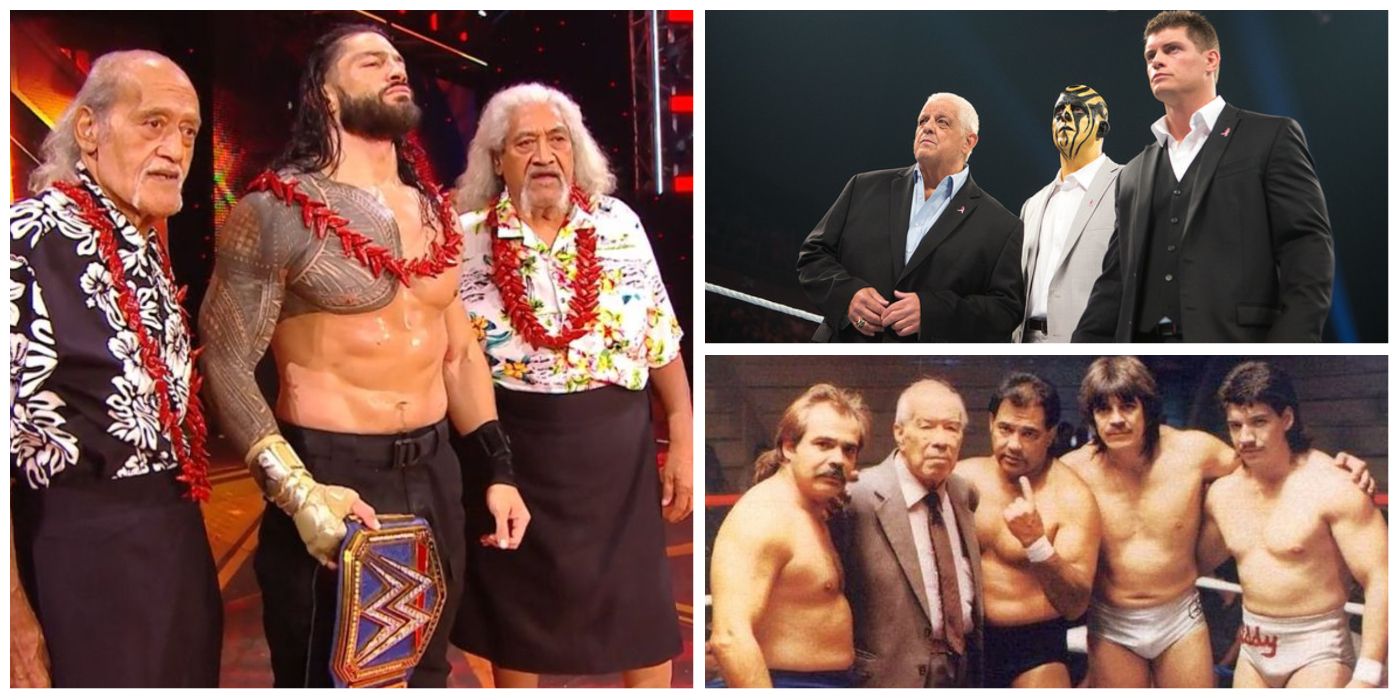
- The Anoa'i Family: Originating from American Samoa, this family tree includes legends like High Chief Peter Maivia, Yokozuna, Rikishi, The Usos, and Roman Reigns. Their influence on WWE programming spans over four decades.
- The Hart Family: Led by patriarch Stu Hart and his infamous "Dungeon" in Calgary, the Harts produced technical masters like Bret "The Hitman" Hart and Owen Hart, revolutionizing how wrestling matches were worked globally.
- The Von Erich Family: A tragic yet profoundly influential Texas-based family that popularized the World Class Championship Wrestling territory in the 1980s, leaving a legacy of high-flying innovation and heart-wrenching loss.
- The Rhodes Family: "The American Dream" Dusty Rhodes paved the way for sons Dustin (Goldust) and Cody Rhodes, the latter of whom helped launch AEW and later returned to WWE to capture the undisputed championship.
The Challenges of Carrying a Famous Last Name
Video: Roman Reigns tells the story of The Bloodline, WWE's Samoan wrestling family | WWE on ESPN

Being part of a prominent pro wrestling family comes with distinct advantages, but it also carries heavy burdens. The most immediate benefit is name recognition. When a rookie steps through the curtain bearing a legendary surname, the audience instantly reacts, saving the performer years of trying to build basic credibility.
However, the downsides are equally significant. Fans and critics often hold legacy wrestlers to an impossible standard. Every mistake is magnified, and performers frequently struggle to find their own authentic identity in the shadow of a famous parent. For example, second-generation stars often spend years playing an exaggerated version of their father's character before finally breaking out with an original persona.
The Evolution of Women in Wrestling Dynasties
Historically, wrestling dynasties were male-dominated, mirroring the broader sports entertainment landscape. However, the modern era has seen daughters and female relatives step out of the manager's role and into the ring as elite competitors.
Stars like Charlotte Flair, daughter of two-time Hall of Famer Ric Flair, have proven that multi-generational talent transcends gender. Charlotte has captured numerous world championships, establishing her own legendary status independent of her father's illustrious career. This shift demonstrates that the future of any prominent pro wrestling family relies just as heavily on its female athletes as its male counterparts.
Conclusion
The allure of the pro wrestling family lies in the intersection of real-life relationships and dramatic storytelling. When two cousins face off in the ring, or a young legacy act wins their first world championship, fans are not just watching a match—they are witnessing decades of history, sacrifice, and tradition culminating in a single moment. As the business continues to evolve, these dynasties will undoubtedly remain the beating heart of sports entertainment.