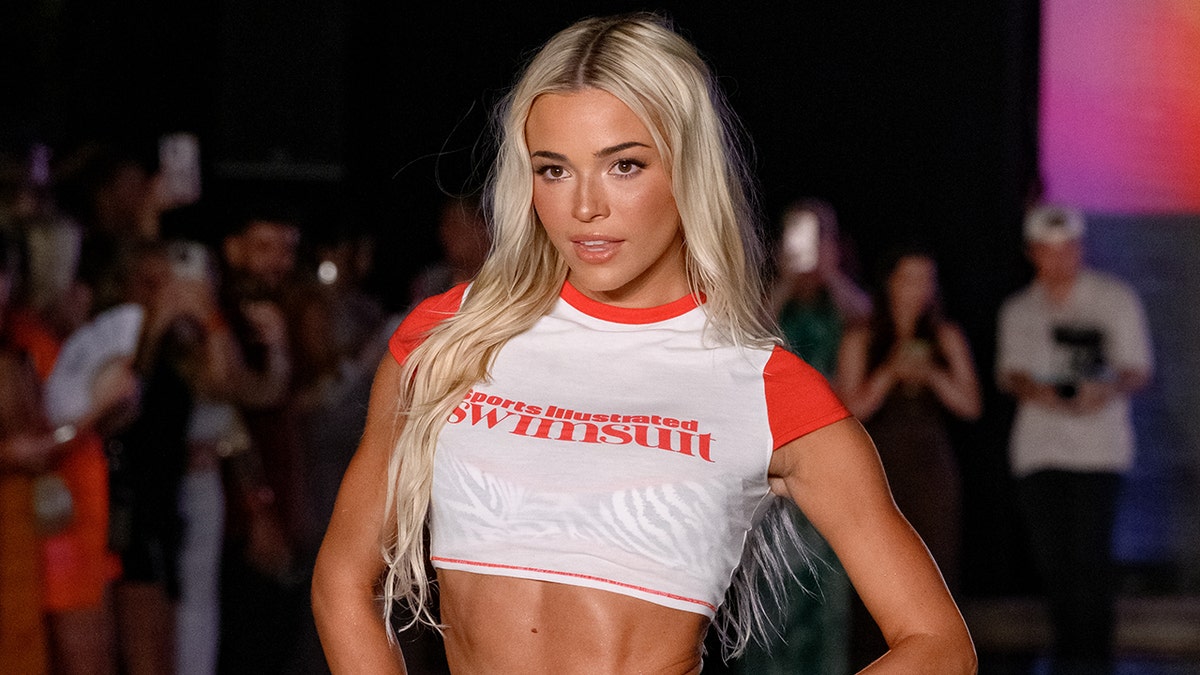
The Livvy Dunne and Fapello Debate: What Side Are You On?
Few athletes embody the modern creator economy quite like Olivia "Livvy" Dunne. As an artistic gymnast for Louisiana State University and one of the highest-earning collegiate athletes in the United States, Dunne has leveraged her athletic prowess and charismatic social media presence into a multi-million-dollar brand. Yet, this meteoric rise has also cast her into the center of a contentious digital culture war. When discussing content aggregation, internet privacy, and the unauthorized re-sharing of female creators' likenesses, The Livvy Dunne and Fapello Debate: What Side Are You On? has become a flashpoint for broader societal arguments about digital ownership and consent.

At its heart, this controversy extends far beyond a single sports influencer. It touches on systemic questions regarding how the internet treats female athletes, the vulnerability of paywalled and public content, and the legal limits of unauthorized image aggregation.
The Rise of the Athlete-Creator in the NIL Era
To understand why this issue generates such passionate arguments, one must first look at how the collegiate sports landscape shifted in 2021. When the NCAA introduced interim policies permitting student-athletes to monetize their Name, Image, and Likeness (NIL), it disrupted decades of tradition. Athletes were no longer purely unpaid performers; they became independent media enterprises.
Dunne capitalized on this paradigm shift faster and more effectively than almost anyone else. With millions of followers across platforms like TikTok and Instagram, she established partnerships with prominent lifestyle, apparel, and tech brands. For young women in sports, Dunne’s success represents a breakthrough in autonomy and commercial valuation.
However, high visibility on digital platforms frequently attracts bad actors. The commodification of an athlete's image has led to friction between intentional, commercial self-publishing and the non-consensual exploitation of that same imagery across unauthorized websites.
The Friction Point: Content Scrapers and Digital Consent
Platforms like Fapello, alongside various forums and leak aggregators, operate by scraping and cataloging media from female creators, celebrities, and influencers. In many instances, these sites rehost:
- Standard public posts stripped of original context and monetization.
- Paywalled content sourced from subscription services without creator authorization.
- Manipulated, out-of-context, or AI-generated "deepfake" media designed to mimic the creator.
This dynamic creates an immediate clash between two very different interpretations of the internet: one governed by strict standards of consent, copyright, and personal safety, and another driven by aggressive content scraping, anonymity, and unauthorized consumption.
The Livvy Dunne and Fapello Debate: What Side Are You On?
The discourse surrounding this topic generally breaks down into two distinct viewpoints, reflecting deeply divided perspectives on internet culture, creator rights, and personal accountability.
The Case for Creator Autonomy and Legal Protection
Advocates for Dunne and creator rights argue that the non-consensual aggregation of an individual’s media constitutes an infringement on both intellectual property and personal autonomy. Key pillars of this argument include:
Video: Livvy Dunne Teaches Jimmy the Baywatch Run, Reveals She Auditioned for The White Lotus (Extended)
- Intellectual Property Rights: Independent creators retain ownership over their visual identity and copyrighted work. When third-party websites scrape and host this content to generate ad revenue, it is straightforward copyright theft.
- The Issue of Consent: Posting a swimsuit photo or athletic snapshot to Instagram does not constitute blanket consent for that media to be archived, sexualized, or re-hosted on specialized adult aggregation portals.
- Safety and Harassment: Female athletes routinely face targeted harassment online. Aggregator sites amplify this vulnerability by serving as gathering grounds for predatory commentary and manipulated imagery.
From this vantage point, supporting Dunne means demanding stricter platform accountability, robust enforcement against copyright abuse, and clear protections against the unauthorized monetization of someone's likeness.

The Rationalization of the Open Web and Public Scrutiny
On the opposing side of the debate, participants in aggregation communities and certain internet culture commentators present arguments rooted in the historical nature of the open web and the realities of public-facing celebrity. These arguments typically claim:
- Public Domain Arguments: Proponents of this view assert that once an image is published to a massive public audience, the creator forfeits total control over how that image is viewed, shared, or archived.
- The Price of Monetization: Critics of the NIL influencer model argue that creators who actively use their aesthetics and sexuality to drive commercial engagement cannot reasonably expect total insulation from internet archives or unauthorized discussion boards.
- Platform Culture: Many web users view scraping forums simply as decentralized archival hubs, arguing that takedowns violate the unfiltered exchange of information that has characterized internet subcultures for decades.
While often criticized by legal scholars for ignoring statutory copyright and emerging privacy rights, this perspective remains widespread among users who frequent scraper networks.
The Legal and Technological Hurdles of Enforcement
Regardless of which ethical stance one adopts, the practical reality of combating unauthorized content scraping is complex. Modern creators face immense structural obstacles when attempting to protect their digital identities.
The standard recourse for creators is the Digital Millennium Copyright Act (DMCA), which allows rights holders to issue takedown notices to web hosts. However, many aggregation hubs intentionally register domains abroad, rotate servers through jurisdictional loopholes, and conceal administrative identities behind privacy proxies. This creates a perpetual "whack-a-mole" dynamic where removed content reappears on mirror sites within hours.
Furthermore, the rapid emergence of generative artificial intelligence has escalated the threat. High-profile figures like Dunne are increasingly targeted by synthetic imagery that circumvents traditional copyright claims, because the generated image is not technically a direct copy of an existing photograph, even though it misappropriates the individual's likeness.
The Broader Impact on Future Athletes
The debate surrounding Olivia Dunne is not occurring in a vacuum. It serves as a case study for the thousands of young women entering the collegiate and professional sports worlds today. If the price of building an independent athletic brand is enduring unregulated scraping, illicit archiving, and visual exploitation, many athletes may choose to abandon public engagement altogether.
Legislative bodies are slowly taking notice. In the United States, bipartisan efforts such as the DEFIANCE Act seek to provide civil relief for victims of non-consensual synthetic imagery, while digital rights organizations continue to push for clearer distinctions between public speech and digital exploitation.
Conclusion: Navigating the Future of Digital Ethics
When evaluated through legal, commercial, and ethical lenses, the debate surrounding Livvy Dunne and content scrapers highlights a fundamental transition point in the history of the internet. The assertion that public figures have no right to object to unauthorized scraping is increasingly at odds with legal frameworks governing intellectual property and digital safety.
As the digital landscape matures, the balance of public opinion and legal precedence is steadily tipping toward creator protection. While total digital anonymity and decentralized scraping will likely persist in some form, establishing firm boundaries around consent, copyright, and platform accountability remains essential for the sustainable future of athlete empowerment.