The Menendez Family's Journey in Money and Law
Introduction
Few true crime stories capture the American imagination quite like the saga of Lyle and Erik Menendez. Long before true crime became a dominant podcast genre, the 1989 murders of José and Kitty Menendez transfixed the public. Beyond the sensational headlines of Beverly Hills patricide lies a complex narrative of extreme wealth, psychological pressure, and high-stakes courtroom drama. The phrase From Gifted to Prisoners: The Menendez Family’s Journey in Money and Law! encapsulates a breathtaking fall from grace, moving from the sun-drenched estates of Southern California to the stark reality of maximum-security incarceration.
Understanding this case requires looking past the sensationalism to examine how generational wealth, parental expectations, and evolving legal standards collided in a pair of landmark trials. This article explores the financial empire built by José Menendez, the cracks in the family facade, and the ongoing legal battles that continue to make headlines decades later.
The Rise of José Menendez and Family Wealth
To understand where the brothers ended up, one must first understand how the family accumulated its vast fortune. José Menendez was the ultimate embodiment of the American Dream, albeit one marred by intense pressure and control.
From Immigrant Roots to Corporate Power
Born in Cuba, José Menendez fled to the United States as a teenager following the Cuban Revolution. Arriving with virtually nothing, he worked his way through Southern Illinois University, where he met Mary Louise "Kitty" Andersen. José quickly proved himself as a corporate shark with an extraordinary work ethic. He climbed the executive ladder, eventually becoming a high-powered corporate executive for companies like RCA and presiding over Carolco Pictures, the studio behind blockbuster hits like Terminator 2: Judgment Day.
By the late 1980s, José had amassed millions. The family lived in a lavish 9,000-square-foot mansion in Beverly Hills, complete with a tennis court and a swimming pool. Lyle and Erik attended private schools, drove expensive cars, and enjoyed country club memberships. To the outside world, they possessed every advantage society had to offer.
The Psychological Toll of Perfection
Behind the wrought-iron gates of their Beverly Hills estate, however, the Menendez household operated under autocratic rule. José Menendez was widely described by acquaintances and family members as a demanding, perfectionistic patriarch who expected excellence in athletics, academics, and business.
Both Lyle and Erik showed early promise—Lyle attended Princeton University, while Erik was a ranked junior tennis player. Yet, this high-performance environment fostered immense psychological strain. The wealth that provided every material luxury also acted as a golden cage, setting the stage for the tragedy that would unfold on August 20, 1989.
The Murders and the Initial Investigation
On the night of August 20, 1989, José and Kitty Menendez were shot multiple times at close range in the den of their Beverly Hills home while eating ice cream. Lyle and Erik initially played the grieving sons, launching a high-profile public campaign to find the killers.
In the months following the murders, the brothers went on a massive spending spree. They burned through an estimated $700,000 of their parents' estate, purchasing Rolex watches, expensive real estate, and a restaurant. This reckless financial behavior ultimately drew the suspicion of law enforcement.
- August 1989: José and Kitty Menendez are killed in their Beverly Hills mansion.
- Late 1989 to 1990: Lyle and Erik spend inheritance money lavishly on businesses, cars, and luxury goods.
- March 1990: Erik confesses the killings to his therapist, Dr. L. Jerome Oziel, leading to a recording that would become central to the prosecution's case.
- March 1990: Erik and Lyle are arrested and charged with first-degree murder.
The Landmark Trials: A Clash of Law and Trauma

The legal proceedings against the Menendez brothers fundamentally changed how the public and the court system viewed abuse, self-defense, and gender roles in violent crime. The case went to trial twice, producing some of the most riveting courtroom television in American history.
The First Trials (1993–1994)
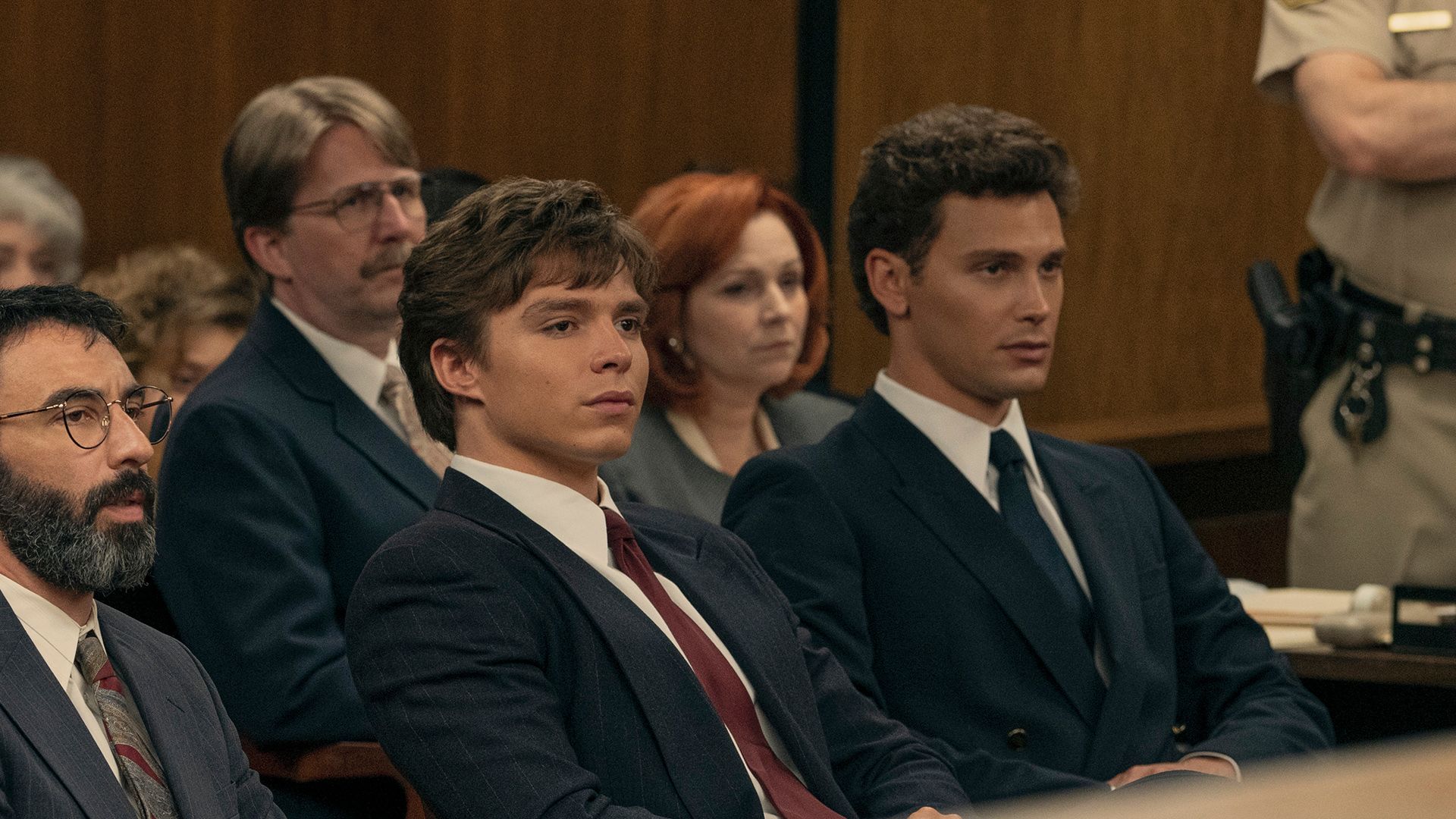
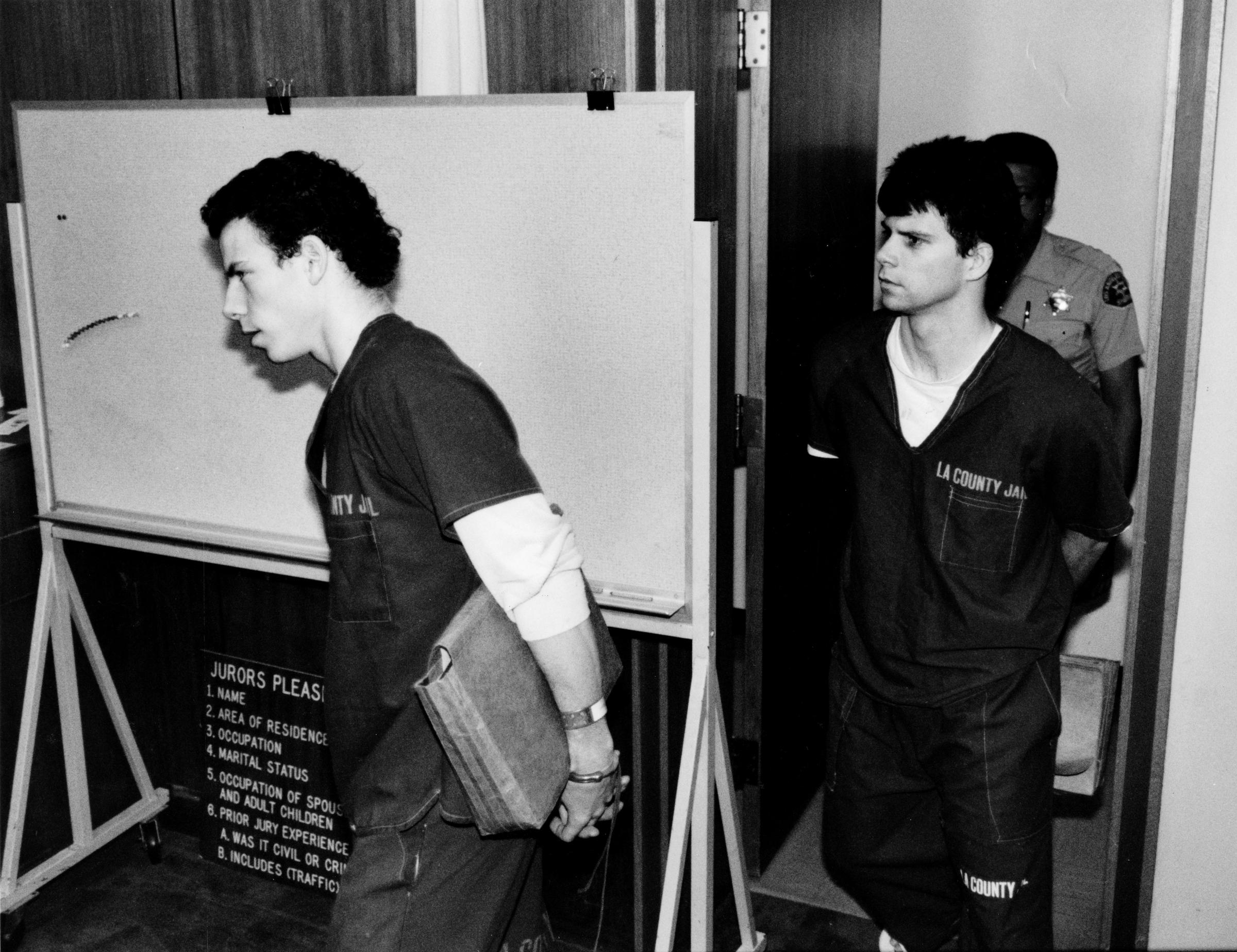
The first trials were historic because they were broadcast nationally, riveting millions of viewers. Crucially, the brothers were tried by two separate juries—one for Lyle, one for Erik. The defense rested its case on the claim that the brothers acted in self-defense after suffering years of severe physical, emotional, and sexual abuse at the hands of their father, with the tacit complicity of their mother.
The testimony was harrowing, detailing years of alleged abuse that had remained hidden behind the veneer of suburban perfection. While the juries deadlocked—largely split along gender lines, with female jurors more sympathetic to the abuse claims—the mistrials forced the legal system to confront the realities of domestic trauma.
The Retrial (1995–1996)
The second trial, presided over by Judge Stanley Weisberg, featured heavily restricted testimony regarding the alleged abuse. Prosecutors successfully argued that much of the background regarding the psychological torment was irrelevant to the immediate murders. Without the full context of the abuse defense, the second jury convicted Lyle and Erik of first-degree murder.
In July 1996, both brothers were sentenced to life in prison without the possibility of parole. The verdict seemed to close the book on a tragic chapter of American legal history, sealing their transformation from privileged heirs to convicted felons.
Life Behind Bars and Modern Legal Developments
Decades after their conviction, the story of Lyle and Erik Menendez continues to evolve. Rather than fading into obscurity, both brothers became model inmates, earning college degrees, facilitating support groups for traumatized youth, and maintaining a clean disciplinary record.
Changing Cultural Attitudes Toward Abuse
In recent years, public perception of the Menendez case has shifted dramatically. With a deeper cultural understanding of trauma, male sexual abuse, and coercive control, many legal analysts and viewers look back at the 1990s trials with a critical eye. Documentaries, investigative podcasts, and dramatic series have brought new attention to the evidence that was barred during the second trial.
The Quest for Freedom
Legal teams representing the brothers continue to file appeals and habeas corpus petitions based on new evidence. This includes allegations against José Menendez involving other victims, as well as a letter written by Erik Menendez to a cousin months before the murders, which corroborated claims of abuse at the time.
While the ultimate legal outcome remains uncertain, the enduring fascination with their case proves that the questions raised by their journey—concerning wealth, justice, and the definition of self-defense—still resonate deeply today.
Conclusion
The trajectory of Lyle and Erik Menendez remains one of the most cautionary and complex tales in modern American history. The juxtaposition of immense financial privilege with profound domestic dysfunction created a tinfoil-thin barrier that ultimately shattered. As the legal system continues to review their case in light of modern psychological insights, the saga of the Menendez family serves as a powerful reminder of how unaddressed trauma, money, and the strict boundaries of criminal law can intertwine to alter lives permanently.