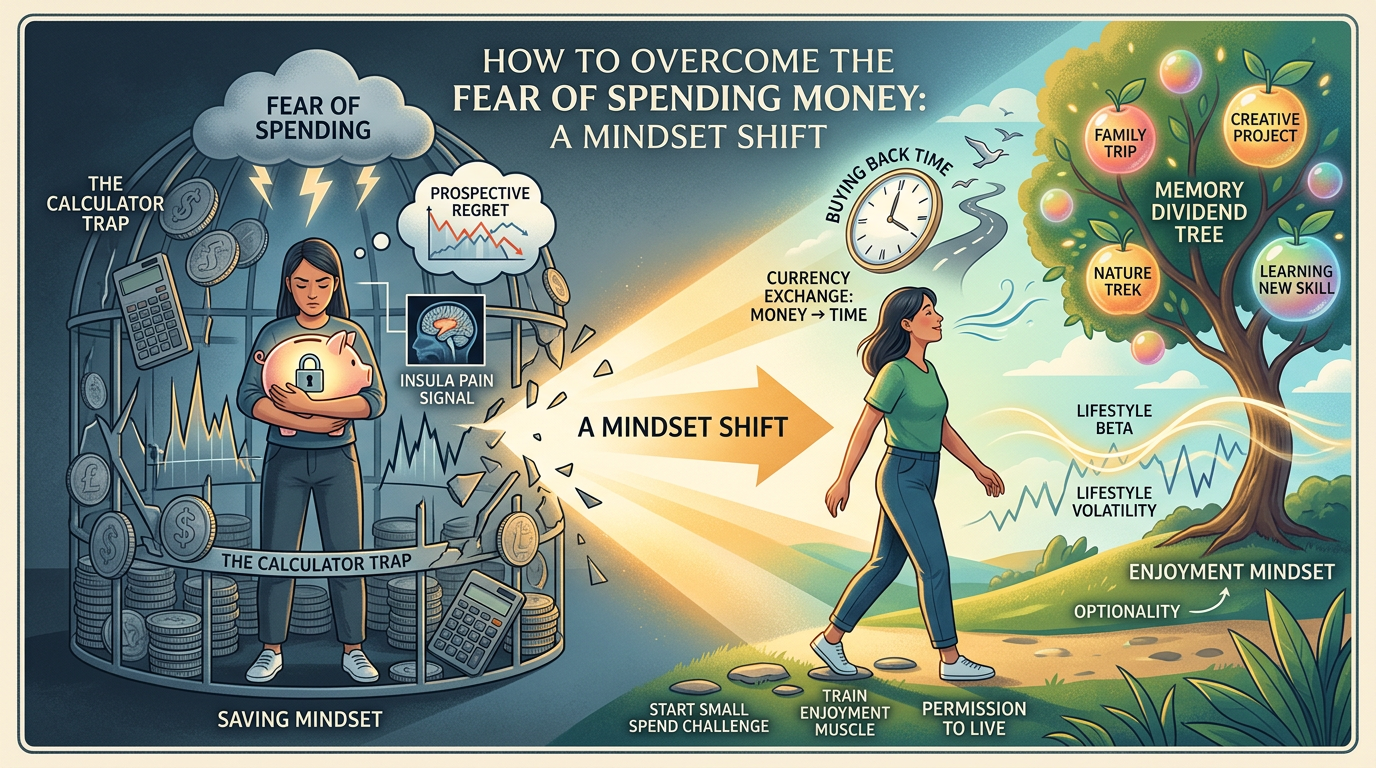
The Mindset Shift That Transformed This Player’s Net Worth Overnight – Insane!
When sports fans discuss the wealthiest athletes in history, names like Michael Jordan, LeBron James, and Tiger Woods dominate the conversation. Yet one of the most remarkable financial transformations in sports history belongs to an NBA sixth man who never made an All-Star team and never signed a multi-million-dollar contract. The mindset shift that transformed this player’s net worth overnight – insane as it may sound to modern observers—was rooted in a simple realization: high earnings do not equal true wealth.
That player was Ulysses "Junior" Bridgeman. While playing 12 seasons in the NBA between 1975 and 1987, primarily with the Milwaukee Bucks, Bridgeman’s highest single-season salary was approximately $350,000. Today, his net worth eclipses $600 million. His financial explosion didn't happen by accident, nor was it fueled by crypto windfalls or lucky stock picks. It happened because he discarded the standard employee paradigm and adopted an equity-first operator mindset.
The Athlete Trap: High Income vs. True Wealth
Professional athletes face a notorious financial hazard often described as the "sudden wealth syndrome." According to statistics frequently cited by financial planners, a substantial percentage of professional athletes experience severe financial distress within five years of retirement. The core issue isn't a lack of money; it is a fundamental misunderstanding of cash flow.
Athletes earn an active wage. While that wage can be extraordinarily high, it is inherently fragile. It depends on youth, physical health, and team contracts. The moment an athlete retires or sustains a career-ending injury, the active income engine stops entirely. If lifestyle expenses were built around that temporary flood of cash, financial ruin follows swiftly.
Bridgeman recognized this reality early in his career. Instead of viewing his NBA paycheck as a permanent ticket to luxury, he viewed it strictly as working capital for an enduring enterprise.
The Turning Point: Working the Fryer in the Off-Season
During the late 1970s and early 1980s, Bridgeman noticed that older teammates were retiring with little to show for their years on the court. Determining that he would not share their fate, he made an unconventional choice during his summer breaks.
Rather than vacationing or training exclusively, Bridgeman spent his off-seasons working inside local Wendy's restaurants. He didn't just attend corporate board meetings; he stood behind the counter, worked the cash register, flipped burgers, mopped floors, and studied store operations from the bottom up.
- Operational Mechanics: He learned how food inventory moved through the kitchen and where waste eroded margins.
- Labor Optimization: He studied scheduling, shift management, and employee retention.
- Unit Economics: He analyzed the exact revenue required per square foot for a location to operate profitably.
By immersing himself in the granular mechanics of the business, Bridgeman eliminated the primary risk of franchise ownership: blind reliance on third-party managers.
The Mindset Shift That Transformed This Player’s Net Worth Overnight – Insane!
The pivotal moment came toward the end of his playing career. Most athletes transitioning into retirement look for passive investments—buying into car dealerships, lending money to acquaintances, or paying financial managers hefty fees to park funds in conservative bonds. Bridgeman made a diametrically opposed mental pivot.
He transitioned from asking, "How can my money generate a modest passive return?" to asking, "How can I acquire scalable, cash-flowing assets where my operational discipline compounds value?"
That mental shift transformed his financial reality virtually overnight. When he officially hung up his sneakers in 1987, he didn't just have savings; he had a functioning acquisition model. He immediately purchased three Wendy's franchise locations. Because he had already done the operational groundwork during his playing days, those units performed efficiently and generated reliable operating profits.
Rather than pocketing the profits to sustain an upscale lifestyle, Bridgeman engineered a compounding loop: every dollar of free cash flow generated by his existing restaurants was immediately leveraged to acquire or build the next location.

Scaling the Empire: From 3 Stores to 450+ Locations
Over the next two decades, Bridgeman’s company, Bridgeman Foods, scaled rapidly across the Midwest. His portfolio expanded far beyond the initial three locations to encompass more than 160 Wendy’s outlets and over 118 Chili’s restaurants. At its peak, his holding company oversaw more than 450 restaurant units and employed over 11,000 people.
Bridgeman’s disciplined blueprint followed three strict tenets:
- Reinvestment Over Extraction: He lived modestly relative to his business cash flow, funneling capital back into modernizing existing stores and acquiring underperforming units at favorable valuations.
- Strict Operational Standards: His units consistently ranked among the cleanest, fastest, and most profitable in the entire franchise network, earning him preferential expansion rights from corporate franchisors.
- Strategic Liquidity Events: In 2016, after decades of building enterprise value, Bridgeman sold his vast restaurant portfolio to unlock capital for even larger ventures.
Following the sale of his restaurant empire, Bridgeman became the CEO and owner of Heartland Coca-Cola Bottling Company, acquiring production and distribution territories covering Kansas, Missouri, and southern Illinois. Later, in 2020, he acquired the historic media brands Ebony and Jet out of bankruptcy, revitalizing their digital presence.
Actionable Takeaways: Applying the Bridgeman Mindset to Your Finances
You do not need an NBA contract or millions of dollars in seed capital to apply the principles that drove Junior Bridgeman’s success. The fundamental framework applies at any income level.
1. Separate Your Income From Your Worth
Your salary is simply fuel; it is not wealth. Wealth is measured by assets that generate cash flow independently of your personal labor. If your net worth only grows when you trade hours for dollars, your financial foundation remains vulnerable.
2. Master the Fundamentals Before Investing
Bridgeman worked the fry station before he bought the franchise. Many retail investors lose money because they allocate capital into industries, assets, or startups they do not understand. Competence precedes confidence. Before deploying serious capital into any asset class—whether real estate, small business, or equities—develop a functional understanding of its underlying economics.
3. Build Compounding Feedback Loops
When you receive bonuses, tax refunds, or supplemental earnings, resist the urge to upgrade your lifestyle immediately. Direct surplus capital into yield-bearing or equity-building assets. Let your assets fund your luxuries later, rather than letting your income fund your liabilities today.
The Long-Term Dividend of Strategic Thinking
Junior Bridgeman’s journey from a bench player to a business titan proves that financial triumph is rarely determined by the size of your starting paycheck. It is dictated by the philosophy you adopt toward capital allocation. By prioritizing operational knowledge, equity ownership, and disciplined reinvestment, Bridgeman demonstrated that a calculated change in perspective can alter your financial trajectory forever.