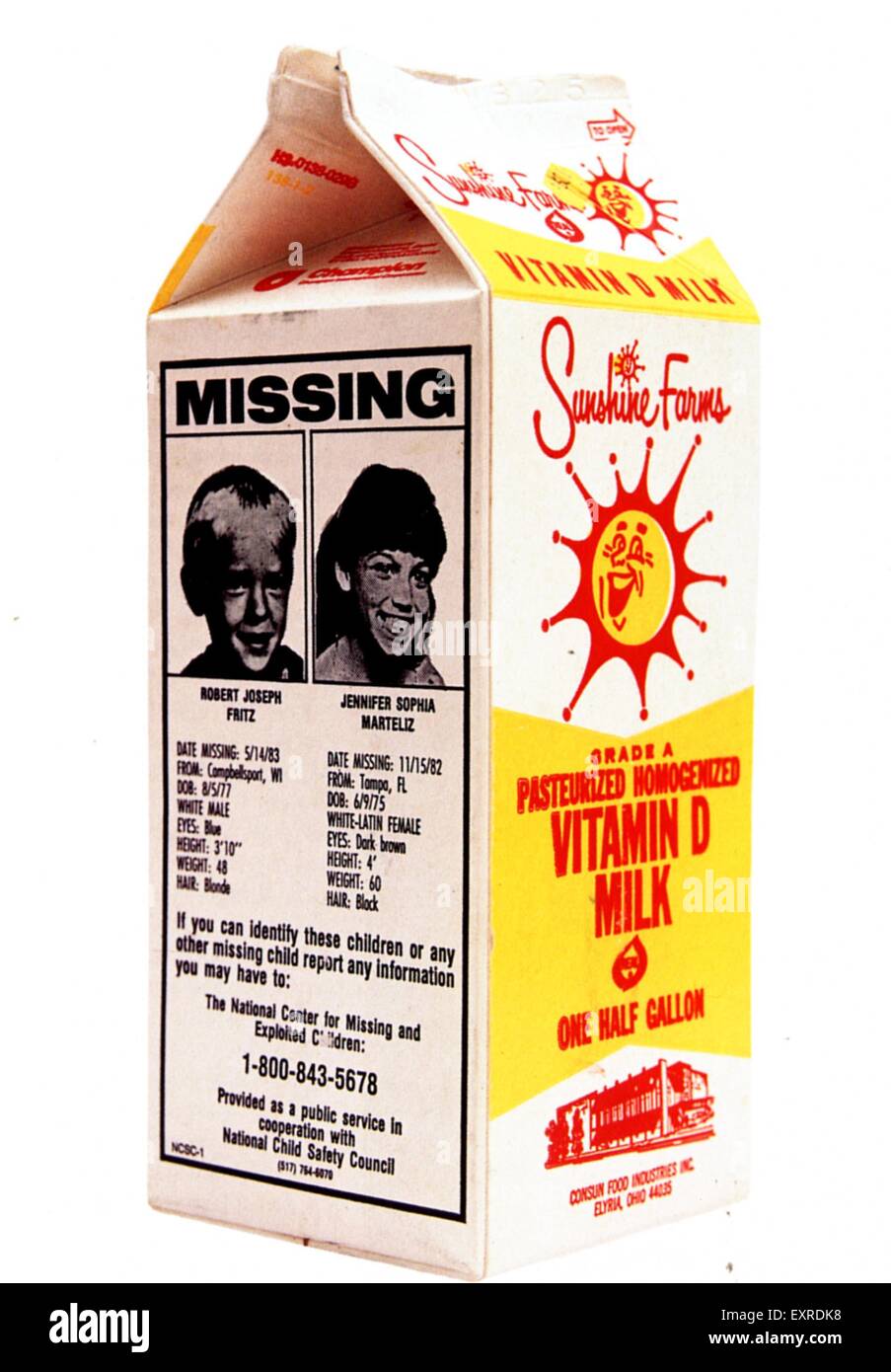
The Missing Person Milk Carton Phenomenon Explained
Introduction to the Missing Person Milk Carton Phenomenon

For anyone who grew up in the United States during the 1980s, the image is unforgettable: sitting at the school cafeteria table, peeling back the foil lid of a cardboard carton, and staring into the face of a missing child printed in black and white next to the nutrition facts. This vivid cultural memory defines the missing person milk carton phenomenon, a unique era when grocery aisles doubled as makeshift clearinghouses for law enforcement agencies desperately seeking leads on abducted children.
Today, this imagery occupies a powerful space in our collective nostalgia and true crime pop culture. However, the reality of how these campaigns started, who funded them, and whether they actually worked is far more nuanced than popular culture suggests. By looking past the modern mythology, we can uncover the true historical impact of putting missing children on breakfast tables across America.
The Origins: How Missing Children Got on Dairy Packaging
The practice did not begin as a nationwide, coordinated government initiative. Instead, it was born out of local panic and private-sector initiative during a time of heightened national anxiety over child abductions. High-profile cases, such as the 1979 disappearance of Etan Patz in New York City, galvanized public fear and exposed major shortcomings in how law enforcement agencies communicated across municipal and state lines regarding missing persons.
In 1984, a small dairy in Chicago called Meadowmoor Dairy, working alongside a local child advocacy group called Child Find of America, began printing photographs of missing children on their milk cartons. Shortly thereafter, larger regional dairies adopted the practice. Most notably, board members at centralized dairies like Land O'Lakes and Dean Foods implemented similar programs, turning a localized marketing tactic into a sweeping national trend almost overnight.
The Legislative Push and Public Response
The movement gained immense momentum as public advocacy groups pressured lawmakers to take action. Parents demanded visibility, and the dairy industry responded to both consumer demand and corporate social responsibility.
- Increased Public Awareness: Millions of households saw the faces of missing children daily, normalizing discussions around stranger danger and child safety.
- Corporate Participation: Hundreds of independent and major dairies voluntarily joined the initiative, treating the campaign as a public service.
- Grassroots Pressure: Families of missing children actively lobbied dairies to include their loved ones' photographs, creating a massive influx of requests.
Separating Fact from Urban Legend
Because the campaign coincided with a rising wave of true crime media and urban legends, several myths quickly developed around the missing person milk carton phenomenon. Many adults today hold misconceptions about how the process worked, the scale of its success, and why it ultimately faded away.
Myth 1: Every Missing Child in America Was Featured

A common misconception is that every missing child automatically went onto dairy cartons. In reality, space was extremely limited, and participation by dairies was entirely voluntary. Selection criteria favored specific cases deemed to have a higher likelihood of recovery, often excluding runaways or long-term cases in favor of recent non-custodial parental abductions or stranger abductions.
Myth 2: The Campaign Solved Thousands of Cases
While the imagery became iconic, the actual number of direct recoveries attributed solely to milk carton photos is surprisingly low. Law enforcement agencies rarely cited a milk carton as the direct catalyst for finding a child. Instead, the primary value of the campaign lay in general awareness rather than immediate tactical breakthroughs.
Why the Milk Carton Campaign Ended
By the early 1990s, the practice of putting missing children on dairy packaging had quietly disappeared. The decline was not caused by a single scandal, but rather by a combination of logistical shifts, psychological concerns, and technological advancements.
First, child psychologists and investigators began raising concerns about the psychological impact on children. Eating breakfast while staring at images of abducted peers created widespread, undue anxiety among young consumers. Furthermore, studies suggested that seeing these faces repeatedly led to desensitization; people simply stopped looking at the photos over time.
Second, logistical realities shifted. The dairy industry consolidated, and regional dairies were absorbed by massive conglomerates with centralized distribution models. Printing localized or frequently changing regional data on high-speed packaging lines became economically inefficient.
The Legacy in the Digital Age
The missing person milk carton phenomenon ultimately paved the way for modern emergency response systems. When the initiative wound down, it coincided with the birth of the Amber Alert system in 1996, which utilized broadcast television, radio, and highway signs to disseminate urgent information instantly.
Today, that physical carton has been replaced by social media algorithms, targeted digital banners, and smartphone push notifications. While the medium has drastically changed from cardboard to glowing screens, the fundamental goal remains identical: mobilizing the public to bring missing children home safely.