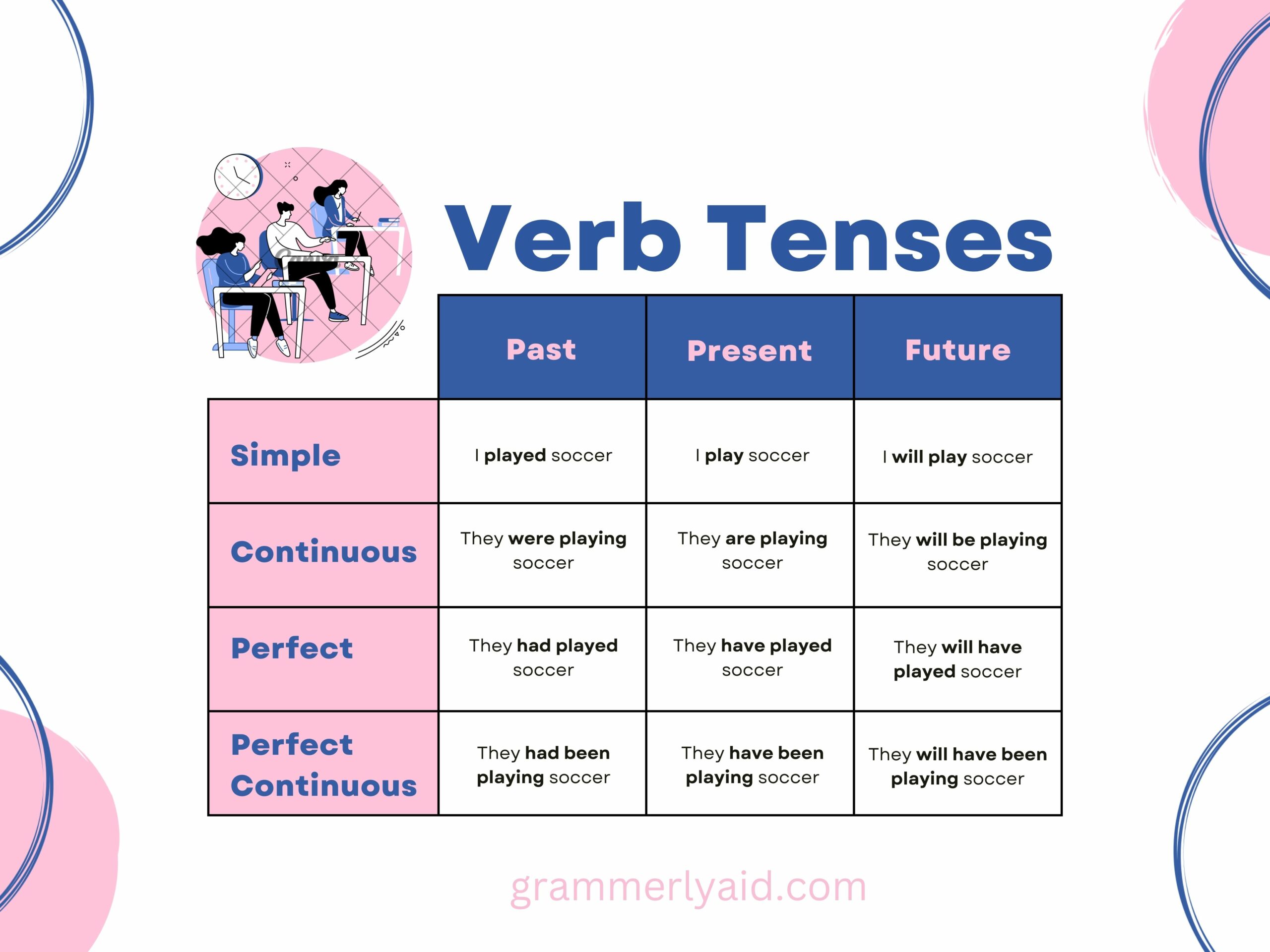
The Must Have Verb Tense Guide for Kids
Grammar can sometimes feel like a puzzle with too many missing pieces. When children start learning how to talk about time, verbs become the most important tools in their toolbox. Verbs are action words, but they also reveal *when* something happens. Welcome to The Must Have Verb Tense Guide for Kids, designed to make understanding time-traveling words simple, visual, and fun.

Whether your child is writing their very first story or studying for a grammar quiz, mastering how verbs change over time builds confidence in reading and writing. Let's break down the three main time zones of grammar into bite-sized, kid-friendly pieces.
The Three Main Time Zones of Verbs
Think of verb tenses like a movie timeline. Stories happen yesterday, today, or tomorrow. To show the reader when an action takes place, we change the spelling of the verb or add helping words. The three pillars of verb tenses are the past, the present, and the future.
1. The Present Tense: Happening Right Now
The present tense describes things that are happening right this second, or things that happen routinely. If your dog barks every morning, or if you are eating a sandwich right now, you are in the present tense.
- I jump on the trampoline.
- She reads a wonderful book.
- The sun shines brightly.
Notice how verbs change slightly when we talk about one person (he, she, it). We usually add an "s" or "es" to the end, like *reads* or *watches*.
2. The Past Tense: Already Finished
The past tense is for actions that are already over and done with. They happened five minutes ago, last week, or when your grandparents were little kids.
Most regular verbs love the past tense because they just need -ed added to the end. But watch out for irregular verbs—they like to break the rules!

- Regular: Walk becomes walked. (I walked to school yesterday.)
- Regular: Play becomes played. (We played soccer on Saturday.)
- Irregular: Run becomes ran. (He ran across the yard.)
- Irregular: Eat becomes ate. (She ate a delicious apple.)
3. The Future Tense: Yet to Come
The future tense looks ahead. It describes actions that haven't happened yet, but will happen later today, next year, or when we grow up. The secret weapon for the future tense is the word will.
To make a verb future tense, simply place "will" right in front of the action word.
- I will travel to the moon one day.
- We will eat pizza for dinner tonight.
- The flowers will bloom in the spring.
Tricky Irregular Verbs to Watch Out For
Regular verbs follow the rules predictably by adding -ed. Irregular verbs, however, are the rebels of the English language. They completely change their spelling when they travel to the past. Here is a handy chart of common irregular verbs every kid should know:
- Present: Go → Past: Went
- Present: See → Past: Saw
- Present: Sing → Past: Sang
- Present: Write → Past: Wrote
- Present: Catch → Past: Caught
The best way to master irregular verbs is through reading and speaking out loud. If a sentence like "I goed to the park" sounds a bit funny, your ear will soon learn to recognize "I went to the park."
Fun Ways to Practice Verb Tenses at Home
Memorizing charts can be boring, but learning grammar through play is unforgettable. Try these quick activities to help cement these concepts:
- The Time Machine Game: Pick a simple action, like "brush teeth." Have your child act it out in the present tense ("I brush my teeth"), the past tense ("I brushed my teeth"), and the future tense ("I will brush my teeth").
- Story Switch: Take a favorite picture book and read a page written in the past tense. Challenge your kiddo to rewrite or retell it out loud as if it is happening right now in the present tense.
- Sticky Note Sort: Write various verbs on sticky notes (jump, flew, will sleep, eat, played). Draw three columns on a large piece of paper labeled Past, Present, and Future, and let your child sort the notes into the correct categories.
Conclusion
Mastering verb tenses doesn't have to feel like a chore. By understanding how the past, present, and future work together, kids can unlock clearer communication and more creative storytelling. Keep practicing with everyday conversations, celebrate the silly mistakes (like saying "teached" instead of "taught"), and watch your young writer's skills soar!