The Numerical Pedigree Truth for Pet Care
Understanding Pet Genetics Beyond the Surface

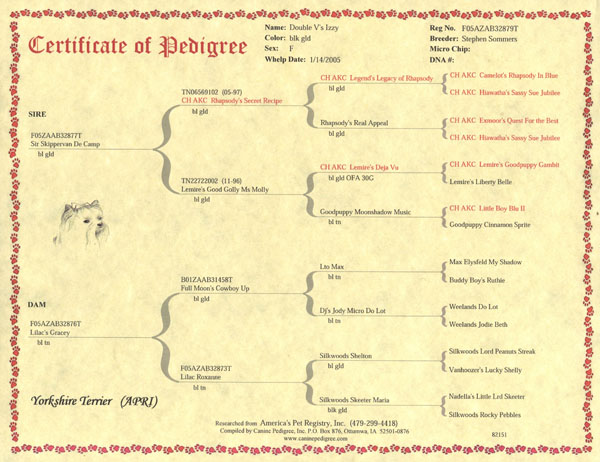
When we bring a new dog or cat into our homes, we fall in love with their wagging tails, soft fur, and unique personalities. For purebred owners, a pedigree certificate often comes with the adoption package, filled with impressive championship titles and a sprawling family tree. However, looking at names and titles only scratches the surface of what your animal's lineage truly means. This numerical pedigree truth will transform how you care for your pet by replacing guesswork with hard, actionable data.
Modern pet care is shifting from reactive treatment to proactive wellness. While diet, exercise, and routine vet visits form the foundation of a healthy life, genetics dictate the blueprint. By looking past the aesthetic traits and diving into the mathematics behind your pet's ancestry, you can anticipate health risks years before symptoms ever appear.
Decoding the Numbers in a Pedigree
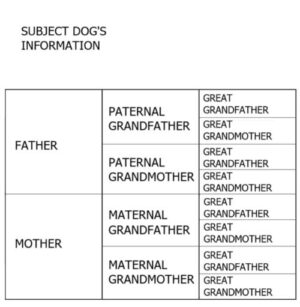
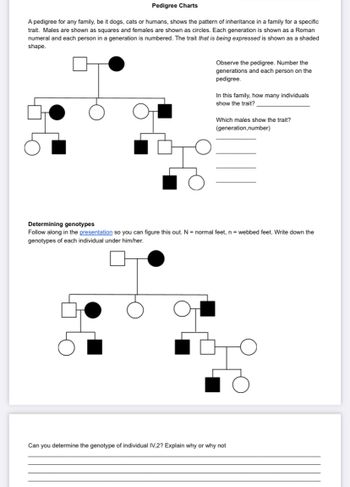
At first glance, a pedigree looks like a simple family tree. But to geneticists and savvy pet owners, it is a mathematical document filled with percentages and coefficients. Understanding these figures is the first step toward mastering advanced pet care.
The Coefficient of Inbreeding (COI)
The most crucial number in any pedigree is the Coefficient of Inbreeding (COI). Expressed as a percentage, the COI measures the probability that an animal has inherited identical gene copies from both parents due to a shared ancestor further up the tree.
- Low COI (under 5%): Indicates high genetic diversity, which is generally associated with stronger immune systems and lower risks of recessive genetic disorders.
- Moderate COI (5% to 10%): Common in many established purebred breeds, requiring careful monitoring for breed-specific conditions.
- High COI (above 10%): Elevates the risk of expression for hidden recessive mutations, often leading to autoimmune issues, structural weaknesses, or chronic illnesses.
Knowing your pet's COI allows you and your veterinarian to design targeted screening protocols. If your dog has a high COI for a breed prone to hip dysplasia or heart murmurs, you can begin diagnostic imaging and joint support supplements much earlier in life.
Generation Coeffs and Ancestral Loss
Another vital metric is the Ancestral Loss Coefficient (AVC), which measures how many unique ancestors appear in a pedigree compared to the maximum possible number. A high loss of ancestors means the gene pool is shrinking, leading to genetic bottlenecks. Recognizing these numbers helps you understand why certain hereditary conditions are nearly guaranteed in specific lines.
This Numerical Pedigree Truth Will Transform How You Care for Your Pet
Armed with numerical data from a pedigree or direct consumer DNA testing, your entire approach to daily pet care changes. Instead of treating every animal according to broad, one-size-fits-all guidelines, you can tailor your routine to your pet's specific genetic vulnerabilities.
Video: How to read a dogs pedigree
Proactive Veterinary Screening
Traditional veterinary care often waits for clinical signs of illness before running diagnostics. When you understand your pet's genetic math, you can flip this script. For example, if a cat's lineage reveals a high prevalence of hypertrophic cardiomyopathy (HCM), your vet can schedule annual echocardiograms rather than waiting for a sudden heart murmur to appear. Early detection dramatically improves treatment efficacy and extends lifespan.
Targeted Nutrition and Supplementation
Dietary needs vary wildly, even within the same species. Genetic markers tied to metabolism, nutrient absorption, and organ function can be inferred or directly tested using lineage data.
- Pets with lineage markers indicating joint vulnerability can be placed on chondroprotective supplements from puppyhood or kittenhood.
- Breeds with predispositions to sensitive digestion or specific organ strains can avoid common triggers before sensitivities manifest.
- Metabolic efficiency scores help determine precise caloric intake, preventing the joint-destroying effects of canine or feline obesity.
Optimized Exercise and Environmental Adaptation
Not all dogs need high-intensity agility training, and not all cats tolerate the same level of environmental stress. By understanding the structural and neurological traits embedded in a numerical pedigree, you can adjust your home environment. High-impact jumping can be minimized for breeds with high skeletal vulnerability indices, and mental stimulation can be tailored to working-line intelligence levels.
Bridging Purebreds and Mixed Breeds
You might wonder if these numerical insights only apply to purebred dogs and cats with formal papers. The truth is, genetic mathematics applies to every animal.
If you have a mixed-breed rescue, modern DNA panels provide a functional equivalent to a traditional pedigree. Instead of counting ancestors on a paper chart, these tests calculate breed composition percentages and pinpoint specific genetic markers. While a rescue dog doesn't have a breeder's logbook, a genetic health screen delivers the exact same benefit: a clear numerical breakdown of hereditary disease risks.
Actionable Steps for Pet Owners
Ready to put this knowledge into practice? Here is how you can use genetic data to elevate your pet's care routine today:
- Review existing documentation: If you have pedigree papers, look for repeat names in the first four generations to gauge concentration levels.
- Invest in DNA health testing: Use reputable canine or feline genetic testing kits that screen for both breed heritage and over 200 hereditary health conditions.
- Consult your veterinarian: Bring your genetic reports or pedigree data to your next vet visit and ask, 'Based on these specific risk factors, what preventative screenings should we schedule this year?'
- Adjust lifestyle factors: Implement targeted exercise, nutrition, and environmental changes tailored to your pet's unique risk profile.
By moving past simple affection and embracing the mathematical reality of your pet's genetics, you become a more empowered, effective caregiver. The numbers don't lie—and using them wisely is the greatest gift you can give your animal companion.