The Only LDS Church Locator Guide You'll Ever Need
Whether you are moving to a new neighborhood, traveling on vacation, or exploring the faith for the first time, finding a local congregation should be simple. The Church of Jesus Christ of Latter-day Saints operates thousands of congregations worldwide, but navigating unit boundaries, service times, and congregation types can sometimes feel confusing. This is the only LDS church locator guide you'll ever need to find meetinghouses, verify worship times, and feel completely prepared when you walk through the doors.
The Primary Tool: Official Meetinghouse Locator
The most accurate, real-time method for locating a congregation is the official Meetinghouse Locator provided by The Church of Jesus Christ of Latter-day Saints. While third-party maps like Google Maps or Apple Maps will show physical buildings, they frequently display outdated meeting times or fail to list every congregation sharing the property.
To find your assigned congregation using the official tool, follow these steps:
- Navigate to maps.churchofjesuschrist.org or access the locator via the church's main homepage.
- Enter your full residential address, postal code, or current city in the search bar.
- Review the map pins. The tool will automatically highlight your assigned geographic unit based on your exact residential address.
- Click on the congregation name to view leadership contact details, meeting schedules, and building directions.
If you are simply visiting or traveling, you do not need to attend the unit tied to your home address. You can pick whichever meetinghouse and service schedule best fits your itinerary.
Meetinghouse vs. Temple: Know the Difference
One of the most common points of confusion for newcomers is the distinction between a meetinghouse and a temple. Search engines sometimes conflate the two, which can lead to unexpected surprises upon arrival.
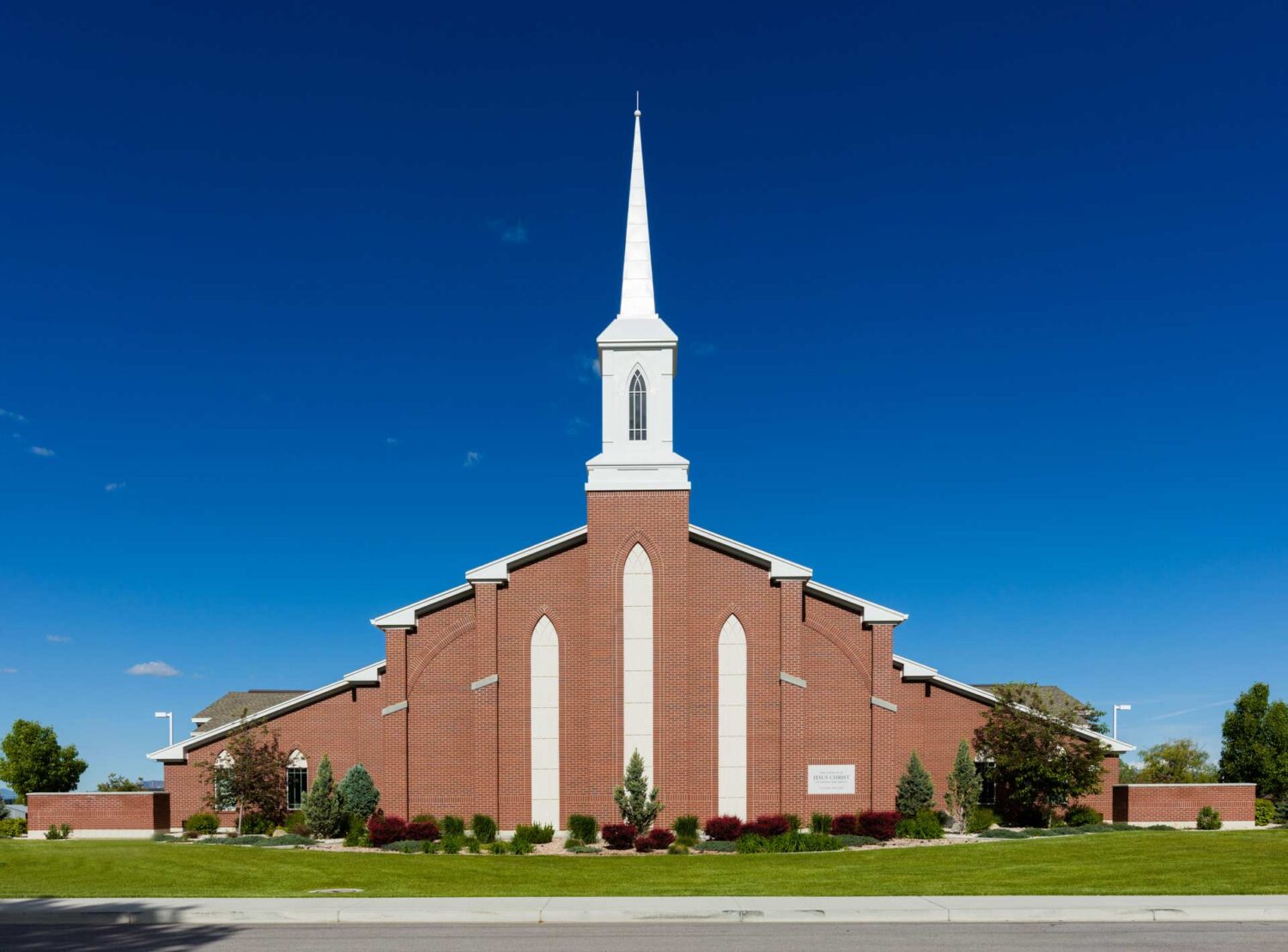
- Meetinghouses (Chapels): These are standard neighborhood church buildings. They are open to the public for Sunday worship services, midweek youth activities, sports, and community gatherings. Anyone is welcome to attend Sunday services at a meetinghouse.
- Temples: Distinctive, prominent architectural structures reserved for sacred ordinances such as marriages and eternal sealings. Temples are not open for regular Sunday public worship, and entry beyond the visitor center requires an active temple recommend.
When using a locator tool, make sure you are filtering for meetinghouses or chapels if you want to attend a Sunday church service.
Understanding Congregation Types: Wards, Branches, and Stakes
When your search results appear, you will encounter specific administrative terms. Understanding these labels will help you select the right congregation.
Wards vs. Branches
A Ward is a standard, large local congregation, typically consisting of 150 to 500 members within a defined geographic boundary. A Branch is a smaller congregation, usually formed in areas with fewer members or in developing regions. Both hold identical Sunday services and offer the same baseline programs.
Conventional vs. Specialized Wards
Depending on your location, you may see multiple units listed at the same physical address:
- Residential (Family) Wards: The standard congregation for families, couples, and individuals of all ages within that neighborhood boundary.
- Young Single Adult (YSA) Wards: Designed for unmarried individuals aged 18 to 35. These units offer tailored activities and an environment suited for college students and young professionals.
- Single Adult Units: Formed in select metropolitan areas for unmarried individuals ages 36 and older.
- Language-Specific Wards: Many areas offer Spanish, Mandarin, Tongan, Samoan, or American Sign Language (ASL) units. The locator tool provides a language filter dropdown to identify these options.
What to Expect During Sunday Services
Once you have located a chapel and verified the start time, here is an overview of what happens during a standard Sunday service so you know what to expect.
The Two-Hour Block

Sunday worship consists of a consolidated two-hour schedule divided into two main segments:
- Sacrament Meeting (60 minutes): The primary worship service attended by the entire congregation. It includes congregational hymn singing, prayers, announcements, the administration of the sacrament (communion of bread and water), and sermons delivered by members of the congregation rather than a single professional pastor.
- Sunday Classes (50 minutes): Following a brief 10-minute transition, attendees separate into age-specific instruction:
- Children attend Primary.
- Youth (ages 11–18) attend Sunday School or youth quorums/classes on alternating weeks.
- Adults attend Sunday School on the first and third Sundays, and Relief Society (women) or Elders Quorum (men) on the second and fourth Sundays.
Dress Code and Atmosphere
There is no mandatory dress code, but members typically wear "Sunday best." For men, this usually means dress slacks, a button-down shirt, and a tie. For women, modest dresses or skirts are customary, though slacks are entirely acceptable. If you do not have church clothes, come as you are—visitors are welcomed warmly regardless of attire.
The Only LDS Church Locator Guide You'll Ever Need for Special Situations
Standard searches work well in your hometown, but unusual circumstances require specific strategies. Keep these tips in mind when using the locator during travel or life transitions:
1. Traveling Internationally
LDS congregations operate across more than 160 countries and territories. When traveling abroad, meeting schedules may vary to reflect local culture. For example, in parts of the Middle East, services are held on Friday or Saturday instead of Sunday to align with local rest days. Always check the official locator website rather than relying on automated search engine aggregate data.
2. Seasonal Schedule Rotations
Because multiple wards frequently share a single physical building, meeting times often rotate annually on January 1st (e.g., rotating between 9:00 AM, 11:00 AM, and 1:00 PM). If you plan to attend early in the new year, always re-check the locator rather than assuming times have stayed constant.
3. Contacting the Bishop
If you have specific logistical questions—such as nursery availability, accessibility accommodations, or remote broadcast links—the meetinghouse locator lists the name and telephone contact for the presiding Bishop or Branch President. Because local leaders serve as unpaid lay ministers, contacting them via text message or leaving a clear voicemail is often the most considerate approach.
Mobile App Options: Member Tools
If you are an active or prospective member with an official Church Account, the free Member Tools app (available on iOS and Android) includes an integrated offline locator. This feature lets you download geographic unit data to your mobile device, making it invaluable for road trips, remote camping excursions, or international travel where cellular data may be spotty.
Final Checklist Before You Go
- Verify the address and meeting time on maps.churchofjesuschrist.org.
- Confirm whether your chosen time is for the main Sacrament meeting or the secondary class block.
- Arrive 10 to 15 minutes early to locate parking, navigate the foyer, and find a seat in the chapel.
- Introduce yourself to the greeters in the foyer if you have questions or need help finding a class.
By using the official digital tools and understanding how local wards operate, you can confidently locate and attend a congregation anywhere across the globe.