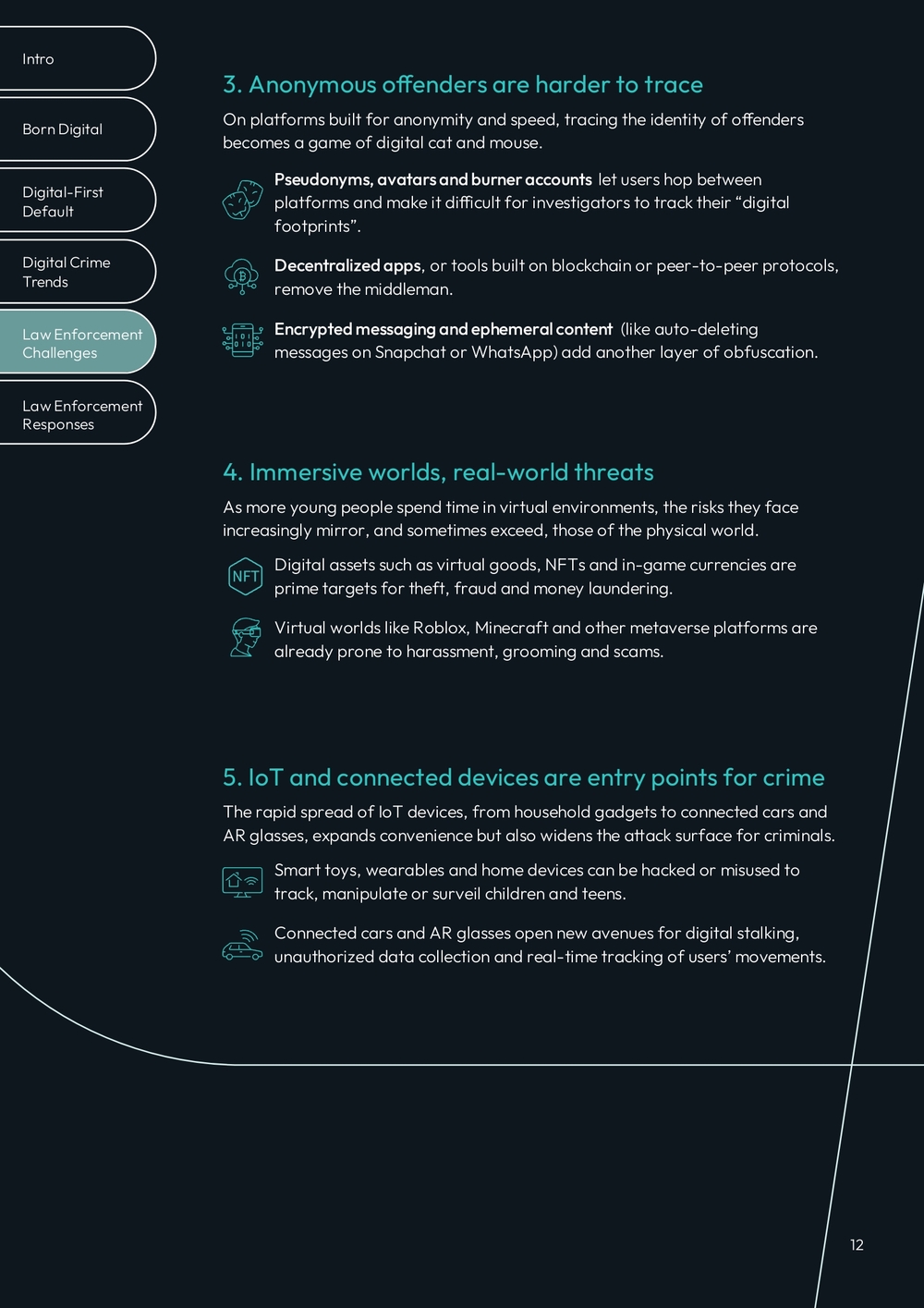
The Physical Shift: When Online Crime Enters Reality
Understanding the Blurs Between Digital and Physical Threats

For decades, society viewed crime through a binary lens. You either locked your front door to protect against physical burglary, or you installed antivirus software to defend against digital malware. Cybercriminals stayed behind keyboards, stealing data and extorting money via ransomware, while traditional criminals operated in the physical world. Today, that boundary has effectively vanished. This is why crimes are no longer just online—crime’s physical shift begins at the intersection of interconnected devices, automated systems, and global supply chains.
The digitization of everyday life means that almost every physical object—from residential thermostats to industrial assembly lines—connects to the internet. While this Internet of Things (IoT) brings unprecedented convenience, it also creates vast vulnerabilities. Criminal organizations quickly realize that controlling a digital system often yields physical leverage, changing how modern offenses are planned and executed.
How Cyberattacks Translate into Physical Consequences
When digital code dictates how physical machinery operates, malicious actors no longer need to pick a physical lock to cause real-world damage. They can manipulate software to achieve physical disruption, financial extortion, or corporate sabotage. Several key vectors drive this evolution:
- Industrial Control Systems (ICS): Critical infrastructure like water treatment plants, power grids, and manufacturing facilities rely on automated software. Ransomware attacks on these systems can halt production or jeopardize public safety.
- Smart Home Takeovers: Residential security systems, smart locks, and connected cameras are frequent targets. Hackers can disable alarms, monitor homeowners, or demand ransom to restore control over physical residences.
- Automotive Hacking: Modern vehicles are essentially computers on wheels. Remote vulnerabilities allow bad actors to manipulate door locks, disable brakes, or track a driver’s physical location in real time.
Supply Chain Disruption as a Weapon
Global supply chains depend on complex logistics networks managed entirely through digital databases. When criminal groups infiltrate these databases, the repercussions manifest physically at ports, warehouses, and retail shelves. By altering shipping manifests, locking inventory systems, or spoofing tracking data, cybercriminals can physically misdirect shipments of high-value goods, causing millions of dollars in losses long before anyone realizes a hack occurred.
Furthermore, targeted attacks on freight management software can paralyze transportation hubs. Delivery trucks remain parked, cargo sits unprocessed, and retail stores face empty shelves—all triggered by a line of malicious code written thousands of miles away.
Video: The Breach Was Just the Beginning: How Criminals Turn Your Data Into Real-World Crime
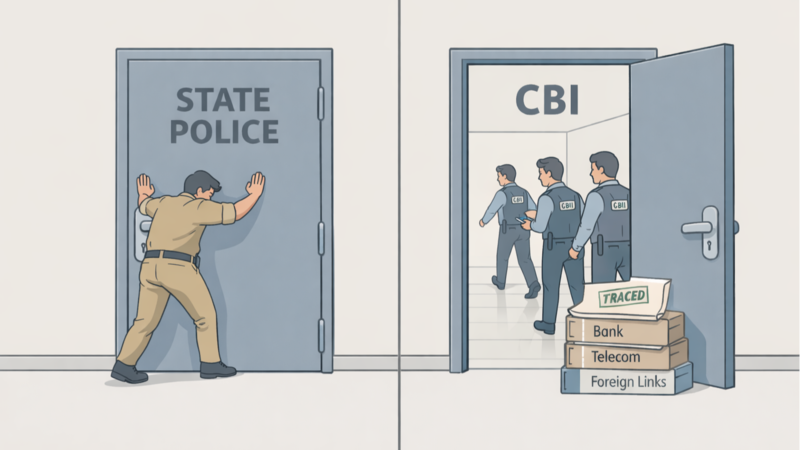
The Rise of Hybrid Extortion Schemes
Extortion has also evolved to bridge the digital and physical worlds. Traditional ransomware typically encrypted a victim's files, demanding payment for the decryption key. Modern cybercriminal syndicates, however, employ multi-layered extortion tactics that directly threaten physical operations and personal safety.
If a corporation refuses to pay a digital ransom, attackers might threaten to release proprietary blueprints to physical competitors, disrupt physical facility operations, or leak sensitive physical security audits of corporate headquarters. By combining digital exposure with physical vulnerability, criminals increase the psychological pressure on victims, making them far more likely to pay.
Securing the Convergence Point
Addressing this new era of blended crime requires a complete overhaul of traditional security strategies. Organizations and individuals can no longer treat cybersecurity and physical security as separate departments managed by different teams. Effective defense demands a unified approach that protects both the digital perimeter and the physical environment simultaneously.
Best Practices for Mitigation
- Unified Security Operations: Bring IT and physical security teams together to share threat intelligence and coordinate response protocols.
- Zero-Trust Architecture: Assume that any connected device—whether a server or a smart security camera—could be compromised, and restrict internal network access accordingly.
- Regular Firmware and Software Updates: Patch known vulnerabilities immediately to prevent attackers from exploiting outdated IoT firmware to gain physical access.
- Comprehensive Employee Training: Educate staff on how digital phishing campaigns can lead to physical security breaches, such as unauthorized visitors gaining access through compromised credentials.
Conclusion
The evolution of criminal activity from purely digital to deeply physical marks a critical turning point in modern security. As technology continues to weave itself into the fabric of daily life, the distinction between a cyber threat and a physical threat will only continue to blur. Recognizing this shift is the first step toward building resilient defenses capable of protecting both our data and our physical world.