The Real Deep Tissue Difference in Pleasant Grove
Understanding Deep Tissue Massage

When most people think of a massage, they picture gentle strokes, soothing music, and lavender-scented oils designed to melt away light stress. While relaxation massages have immense value, they often barely scratch the surface of chronic musculoskeletal issues. If you are dealing with persistent back pain, stubborn knots in your shoulders, or restricted range of motion, a standard relaxation session won't cut it. That is where targeted therapeutic bodywork comes into play, and understanding The Real Deep Tissue Difference in Pleasant Grove can completely change how you approach physical wellness.
True deep tissue massage is not simply a regular Swedish massage performed with heavier pressure. It is a specialized form of therapy that focuses on realigning deeper layers of muscles and connective tissue, known as fascia. By utilizing slow, deliberate strokes and direct, intense pressure, trained therapists can break down adhesions—bands of rigid tissue that can cause pain, inflammation, and limited movement.
What Sets Authentic Deep Tissue Apart?
Many first-time clients assume that deep tissue work is synonymous with pain. However, a common misconception is that a massage must hurt to be effective. While you may feel some discomfort as a therapist works through a stubborn knot, authentic deep tissue therapy should never leave you wincing in agony or bruising.
Technique Over Brute Force
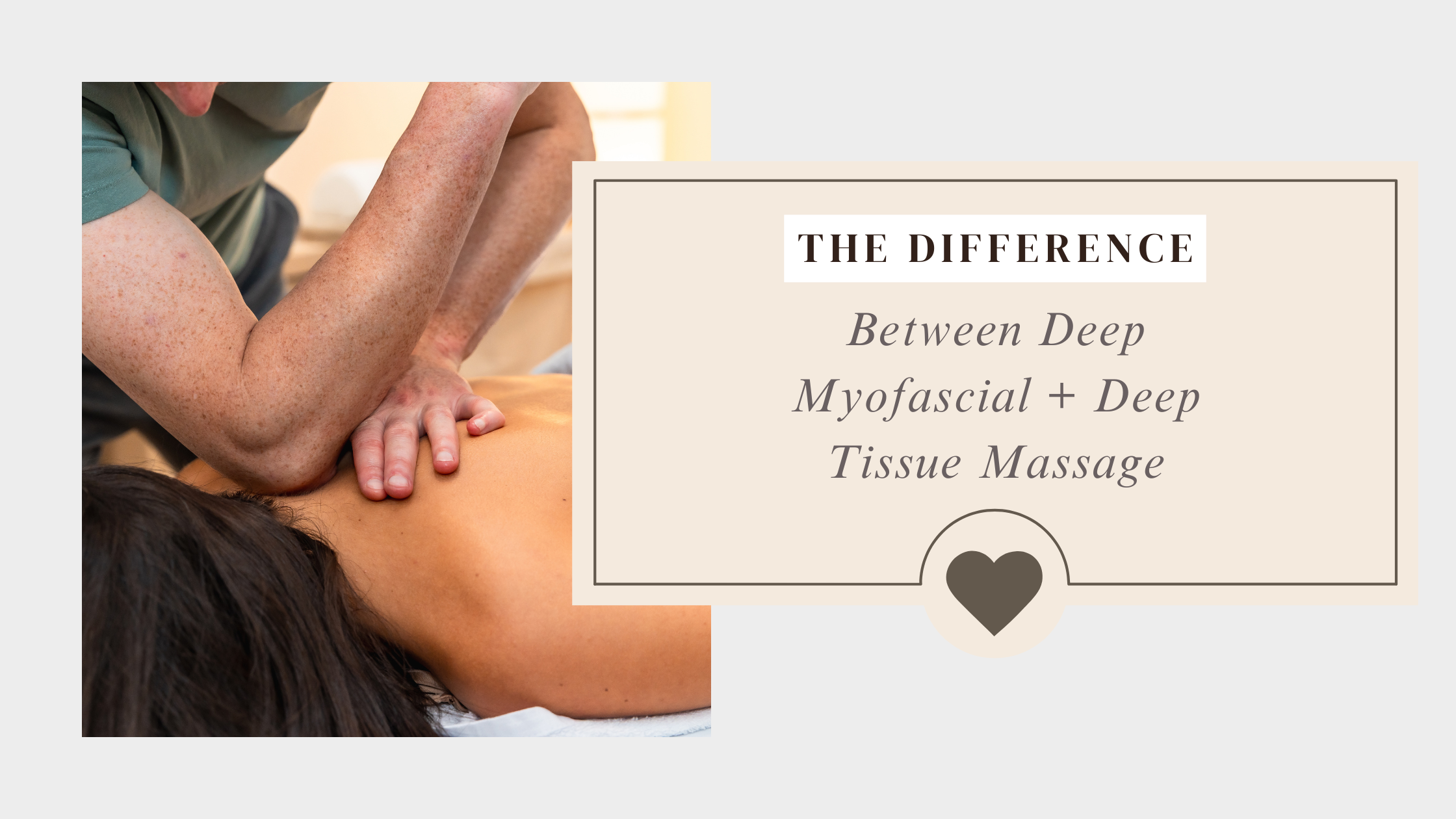
Skilled practitioners in Pleasant Grove rely on structural anatomy and leverage rather than sheer muscle strength. They use their fingers, knuckles, hands, elbows, and forearms to navigate around and between muscle groups. This allows them to reach deep layers of tissue without causing trauma to the surface muscles or bruising delicate skin.
Targeting the Source, Not Just the Symptom
If your lower back hurts, the root cause might actually be tight glutes, hip flexors, or postural imbalances originating elsewhere in the body. A superficial massage simply addresses the site of the pain temporarily. A genuine deep tissue session involves a thorough assessment of your posture, gait, and daily movement patterns to find and treat the ultimate source of dysfunction.

Common Misconceptions About Deep Tissue Work
Because the term "deep tissue" is frequently misused in marketing campaigns, several myths persist. Clearing these up helps you set realistic expectations for your next session in Pleasant Grove.
- Myth 1: More pressure always equals better results. Excessively heavy pressure causes the body to guard and tense up, fighting the therapist's efforts rather than relaxing.
- Myth 2: It is only for athletes. While runners and weightlifters benefit immensely, office workers, tradespeople, and anyone with a sedentary lifestyle suffer from postural adhesions that require deep tissue intervention.
- Myth 3: One session fixes everything. Chronic muscle patterns built over years take time to unravel. Lasting relief usually requires a series of treatments paired with self-care.
What to Expect During Your Session
Visiting a specialized clinic for deep tissue therapy involves a slightly different protocol than a typical resort spa. Your therapist will usually begin with a brief intake consultation to discuss your specific pain points, past injuries, daily activities, and medical history.
During the session, communication is vital. The therapist will check in with you regarding pressure levels. You should feel free to speak up if the pressure crosses the line from therapeutic discomfort into sharp pain. After the session, it is completely normal to feel a mild, post-workout type of soreness for a day or two. Drinking plenty of water helps flush out metabolic waste released from the muscle tissues during the treatment.
Choosing the Right Therapist in Pleasant Grove
Not all massage therapists possess the advanced training required to perform safe and effective deep tissue work. When searching for a practitioner in the Pleasant Grove area, keep a few key considerations in mind:
- Credentials and Certification: Ensure the therapist is licensed by the state and holds certifications in advanced neuromuscular or deep tissue modalities.
- Specialized Experience: Ask how long they have focused on therapeutic and clinical bodywork rather than purely relaxation spa treatments.
- Client Reviews: Look for testimonials that specifically mention relief from chronic conditions like sciatica, plantar fasciitis, frozen shoulder, or tension headaches.
Embracing Long-Term Relief
Investing in your physical health goes far beyond a temporary escape from a stressful week. By seeking out authentic therapeutic bodywork, you are actively improving your posture, enhancing your athletic performance, and preventing future injuries. Recognizing what makes a quality session so transformative is the first step toward reclaiming a pain-free, active lifestyle right here in Pleasant Grove.