The Real Financial Legacy of Gregory Peck
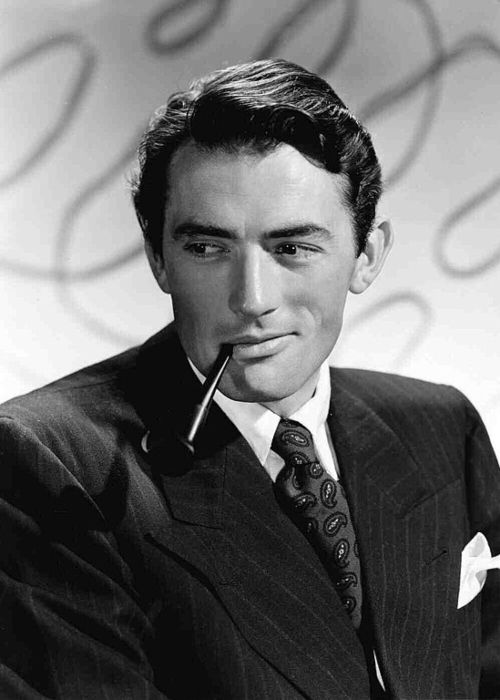
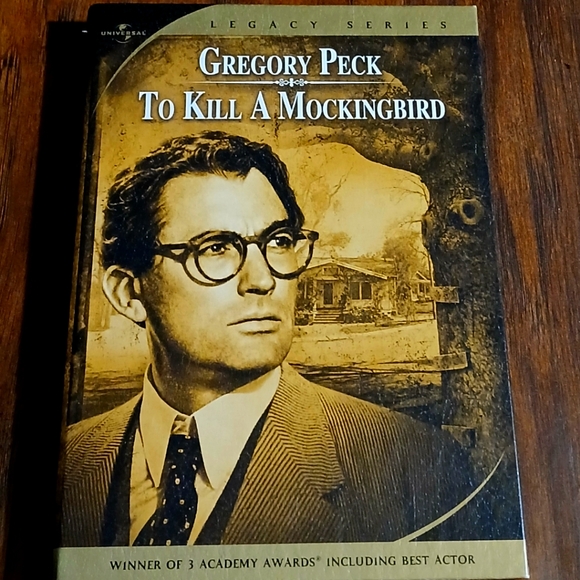
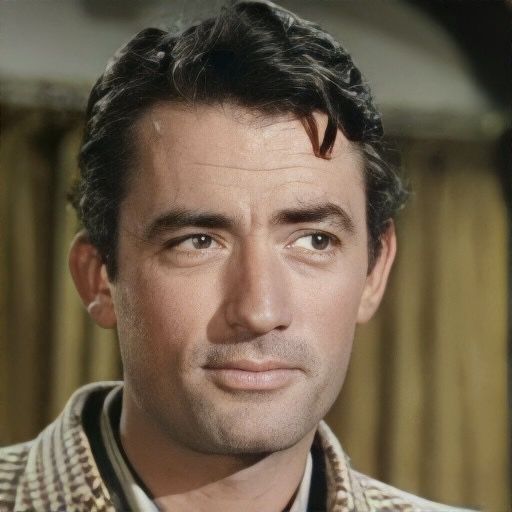
When discussing Hollywood’s Golden Age, Atticus Finch or Captain Keith Mallory often dominate the conversation. Yet examining the real financial legacy of Gregory Peck: beyond the movies and fame reveals a masterclass in creative independence, strategic wealth preservation, and high-impact institutional philanthropy. While many of his mid-century contemporaries fell victim to punitive studio contracts or rapid post-career insolvency, Peck built a robust financial fortress that endured long past his passing in 2003.
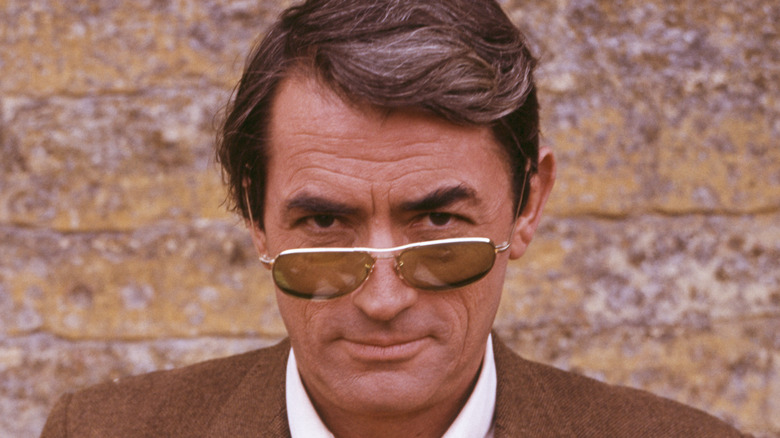
Peck’s net worth at the time of his death was estimated at approximately $40 million to $50 million—an impressive sum anchored not merely by box office earnings, but by shrewd business choices, early freelance autonomy, prime real estate acquisitions, and disciplined asset protection.
Breaking the Studio System: The Freelance Pioneer
During the 1940s, the Hollywood studio system operated on near-feudal terms. Major studios bound talent to exclusive seven-year contracts, dictating roles, controlling public images, and capping earnings. Actors who refused assignments faced suspension without pay.
Gregory Peck arrived in Hollywood with distinct leverage: Broadway acclaim and a physical draft exemption due to a pre-existing back injury. Rather than signing an exclusive deal with a single studio, Peck orchestrated a brilliant commercial maneuver. He signed non-exclusive, multi-picture contracts across several studios, including 20th Century Fox, MGM, David O. Selznick, and RKO.
- Bidding Power: By avoiding exclusivity, Peck allowed studios to compete for his dates, driving up his per-picture fee faster than almost any newcomer of his generation.
- Creative Veto: His agreements gave him substantial script approval, shielding his commercial brand from low-grade studio assignments.
- Profit Participation: Freedom enabled Peck to negotiate percentage points on theatrical profits much earlier than the industry norm.
His business foresight was matched by uncommon integrity. During the production of Roman Holiday (1953), Peck held sole above-the-title billing. Recognizing the star-making performance of an unknown Audrey Hepburn, he insisted she receive equal above-the-title billing, famously telling his agent that doing otherwise would make him look foolish when she inevitably won the Academy Award. The resulting critical and financial triumph solidified Peck’s reputation as both an artistic collaborator and a commercially astute partner.
The Real Financial Legacy of Gregory Peck: Beyond the Movies and Fame
The true measure of wealth is rarely what someone earns; it is what they retain, compound, and pass forward. Peck was notoriously cautious with speculative ventures, preferring tangible assets and long-term holds.
1. Strategic Real Estate Holdings
Like many prudent mid-century earners, Peck directed substantial capital into Southern California real estate. His primary residence—a sprawling French chateau estate on Carolwood Drive in Holmby Hills—became one of the most valuable private parcels in the district. Purchased in the 1970s alongside his wife, French journalist Véronique Passani, the property appreciated exponentially over four decades. Following Véronique's death in 2012, the estate was sold for tens of millions of dollars, representing a massive return on initial capital.
2. International Asset Protection and Diversification
Peck’s international filming schedules in the 1950s and 1960s allowed him to diversify assets globally. He maintained residences and accounts in Europe, collected fine art, and invested in thoroughbred racehorses in France and Ireland. Notable runners, such as Owen Dudley and Grand National competitor Different Class, provided both sport and favorable agricultural capital allowances common to international equine syndicates.
3. Structuring the Later Career
In the 1970s, as the studio landscape shifted toward youth-oriented blockbusters, Peck adapted his financial approach. When offered the lead in the 1976 horror film The Omen, he agreed to a modest upfront salary in exchange for a significant gross-profit participation package. The film became one of the highest-grossing titles of the year, netting Peck an estimated $10 million—the single largest paycheck of his career, far surpassing his Golden Era film fees.
Video: Gregory Peck's Net Worth Left His Family STUNNED
Building Cultural Capital: Institutional Philanthropy
Peck did not treat charity as an occasional tax write-off; he committed organizational leadership and seed money to create self-sustaining cultural institutions that exist to this day.
The La Jolla Playhouse
In 1947, alongside fellow actors Mel Ferrer and Dorothy McGuire, Peck co-founded the La Jolla Playhouse in his hometown. Rather than simply donating funds, he leveraged his Hollywood network to draw first-rate theatrical talent to Southern California. Today, the Playhouse is a Tony Award-winning regional powerhouse that has incubated dozens of Broadway productions (including Jersey Boys and Come From Away), generating hundreds of millions of dollars in economic activity for regional arts.
Revitalizing the Academy and Launching the AFI
As president of the Academy of Motion Picture Arts and Sciences (1967–1970), Peck oversaw modernization of the voting ranks and stabilized the organization’s commercial foundation. He was also a founding trustee of the American Film Institute (AFI) in 1967. Peck understood that preserving the financial and historical heritage of American film required endowment capital and federal support, helping secure early grants from the National Endowment for the Arts.
Civic and Humanitarian Endowments
Peck lent his financial acumen and profile to broader societal causes:
- American Cancer Society: He chaired the national campaign in 1966, helping raise unprecedented sums for clinical research through media-driven fundraising networks.
- Motion Picture & Television Fund (MPTF): Peck was a continuous donor and fundraiser for the Woodland Hills country house and hospital, ensuring retired industry workers without pensions had access to dignity and care.
- Los Angeles Public Library: In his later years, he co-founded the LAPL’s "ALOUD" reading series and helped raise millions to rebuild branch libraries across Southern California following the 1986 central library fire.
Estate Planning and Generational Transfer
Hollywood history is filled with tragic post-mortem estate battles, but Peck’s estate administration was remarkably orderly. Working with top-tier California trust attorneys, Peck placed his intellectual property rights, likeness rights, and physical assets into comprehensive private family trusts.
By establishing trusts rather than relying on a public probate process, Peck protected his family from costly litigation and excessive estate taxes. His widow Véronique managed the estate and charitable trusts until her death, after which the surviving children and grandchildren inherited both the assets and the philanthropic mandates. Peck’s name continues to support educational scholarships, cinematic preservation funds, and humanitarian initiatives without legal contest.
Key Financial Lessons from Gregory Peck
Gregory Peck’s economic playbook offers timeless principles for creative professionals and high earners alike:
- Autonomy Over Comfort: Refusing long-term exclusive contracts carried initial risk, but the resulting independence unlocked long-term wealth.
- Betting on Tail Risk with Equity: Sacrificing upfront compensation for backend profit participation on The Omen secured his largest single career windfall.
- Investing in Durable Real Estate: Long-term holds in world-class metropolitan real estate outperformed transient entertainment royalties.
- Institutional Philanthropy: True legacy involves creating institutions that generate cultural and economic value long after the founder has departed.
Ultimately, Gregory Peck’s financial legacy extends far beyond a bank ledger or box office statistics. By pairing financial discipline with institutional generosity, he demonstrated how commercial success can be converted into permanent cultural capital.