The Real Reason US Users Are Scrolling
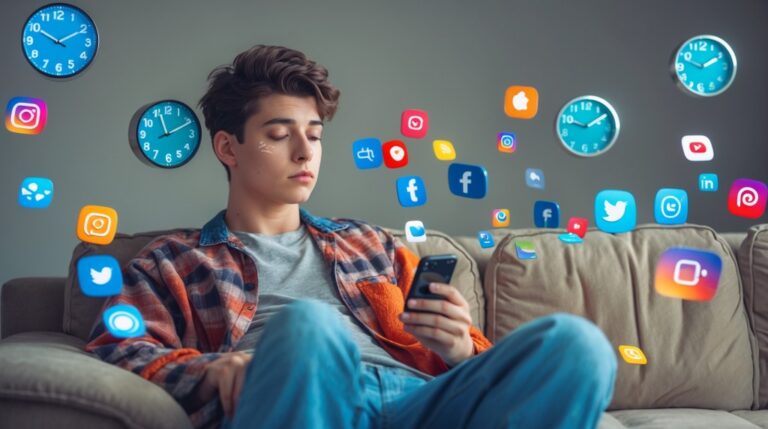
It starts innocently enough. You unlock your phone to check the weather, reply to a quick text, or look up a recipe. Ten minutes later, you find yourself knee-deep in a digital rabbit hole of short-form videos, travel vlogs, and comment sections debating pop culture. You are caught in the endless loop. But have you ever wondered about the real reason US Users are scrolling for hours on end every single day?
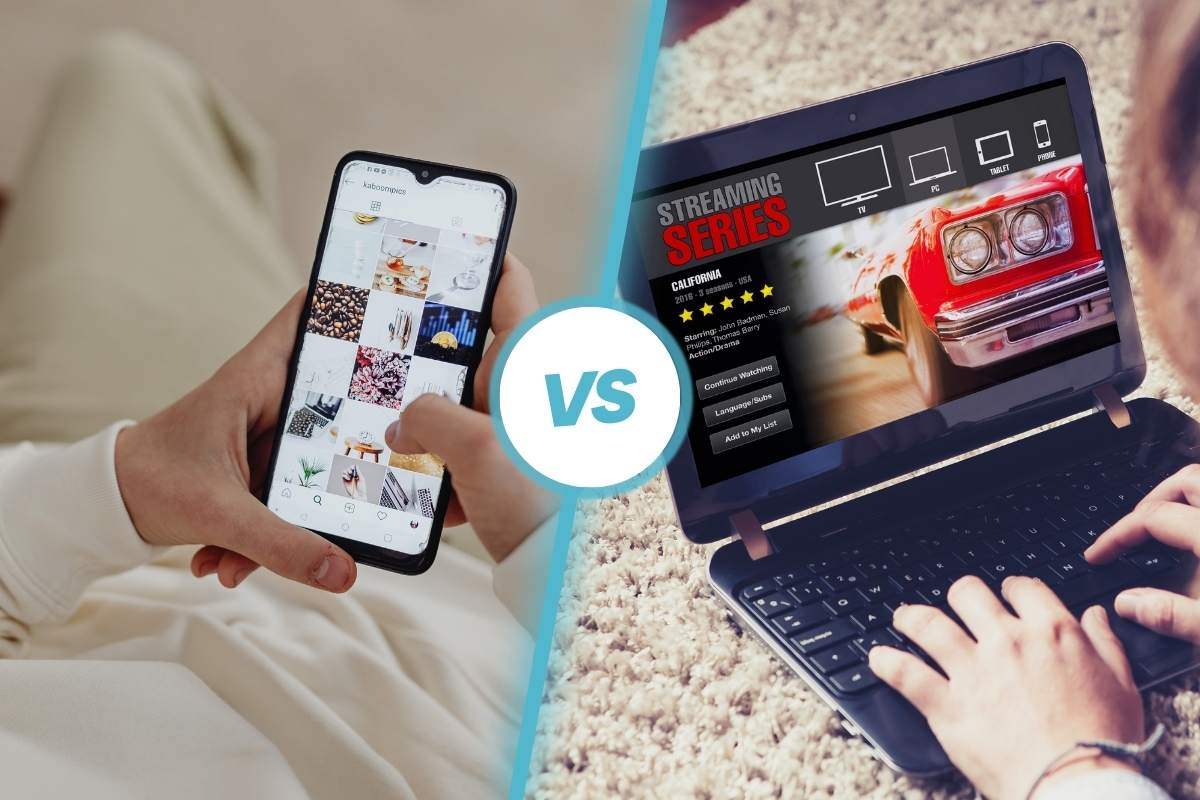
Recent data reveals that the average American spends over two hours a day on social media platforms alone. Far beyond simple boredom, this behavior is the result of sophisticated psychological engineering meeting modern societal stress. Let's break down why our screens have become practically magnetic.
The Psychology of the Endless Feed
To understand why we keep scrolling, we have to look at how our brains process reward and uncertainty. The digital landscape is built on principles first discovered in behavioral psychology laboratories decades ago, supercharged by modern algorithms.
Variable Reward Schedules
The core mechanism behind endless scrolling is the variable-ratio reinforcement schedule—the exact same psychological principle that makes slot machines so addictive. When you pull down to refresh a feed, you don't know what you are going to get. It might be a boring post from an acquaintance, or it might be a wildly entertaining video that triggers an instant burst of dopamine.
This unpredictability keeps the brain engaged. Because every swipe has a chance of delivering a reward, your brain treats the feed like a game of chance. You keep pulling the digital lever in hopes of a payout.
The Quest for Micro-Dopamine Hits
Dopamine is often misunderstood as the molecule of pleasure, but neuroscientists now know it is actually the molecule of anticipation and motivation. Scrolling offers a continuous stream of low-effort, high-speed dopamine hits. Reading an article or watching a long-form documentary requires sustained focus. Scrolling, on the other hand, gives the brain instant gratification with zero cognitive friction. When you feel tired or stressed, your brain naturally seeks the path of least resistance to find a quick chemical lift.
Video: Why we can't stop scrolling.

Social Cues and the Modern American Lifestyle
While brain chemistry plays a massive role, external factors in modern American life heavily accelerate this habit. The way we live, work, and consume media has created an environment primed for hyper-connectivity.
- The Loneliness Epidemic: U.S. Surgeon General reports have highlighted loneliness as a public health crisis. Social media simulates community, giving users a false sense of belonging and connection when they are physically isolated.
- Burnout and Decision Fatigue: After a long workday characterized by high stress and complex problem-solving, the brain is exhausted. Mindless scrolling requires no decisions, making it an appealing way to numb out.
- The Fear of Missing Out (FOMO): In a 24-hour news and cultural cycle, Americans feel immense pressure to stay up-to-date on trends, memes, and world events to maintain social currency among peers.
- Turn Off Non-Essential Notifications: Every ping is an engineered interruption designed to pull you back into the feed. Cut off the supply chain.
- Implement Friction: Move social media apps off your home screen and bury them inside folders, or better yet, access them only via mobile web browsers.
- Designate Phone-Free Zones: Keep your smartphone out of the bedroom and off the dining table to break the automatic reach-and-swipe reflex.
How Algorithms Keep US Users Hooked
We cannot discuss scrolling without looking at the architects of the feed. Tech platforms employ thousands of engineers and behavioral data scientists whose primary Key Performance Indicator (KPI) is "time on device."
Recommendation algorithms map your preferences in real-time. They track how many seconds you linger on a specific post, whether you re-watched a three-second clip, and what time of day you are most vulnerable to suggestion. By curating a hyper-personalized stream of content, these platforms eliminate natural stopping cues, replacing them with a frictionless slide to the next item.
Reclaiming Your Time and Attention
Recognizing why you scroll is the first step toward regaining control. Because apps are intentionally designed to bypass your conscious willpower, relying on self-control alone rarely works. Instead, you need structural barriers.
Ultimately, the real reason US users are scrolling comes down to a mix of innate human psychology and predatory digital design. By understanding the invisible forces at play, you can shift from a passive consumer of content to an intentional director of your own time.