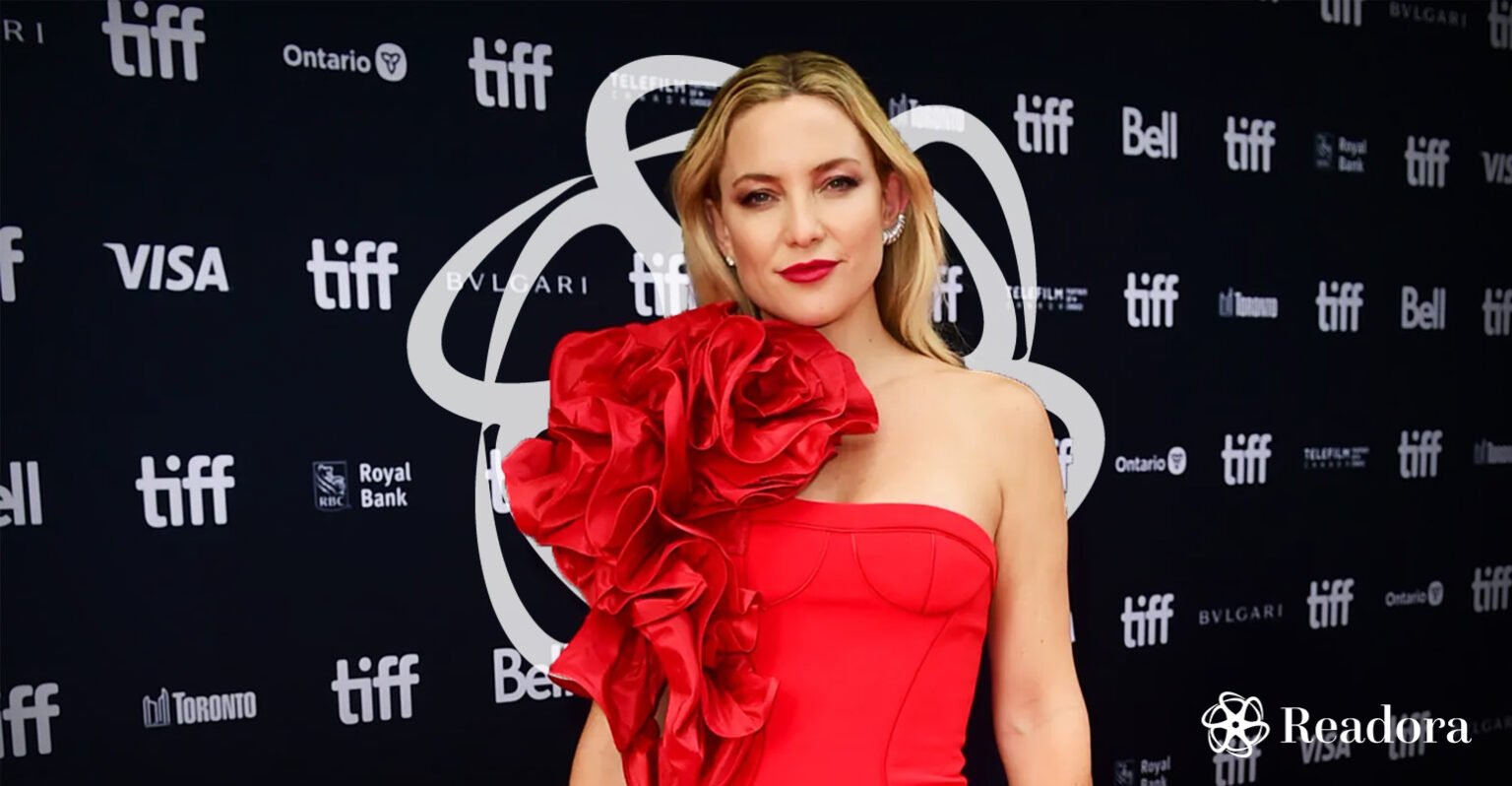
The Real Value Behind Kate Hudson: Real Star of Hollywood
When examining celebrity influence in the twenty-first century, traditional metrics like box office receipts tell only a fraction of the story. Asking about the real value behind Kate Hudson—is she the real star of Hollywood?—requires looking far beyond red carpets and award nominations. While many actors remain tethered to the whims of studio casting and cyclical streaming trends, Hudson has quietly engineered one of the most resilient, lucrative, and forward-thinking careers in modern entertainment.
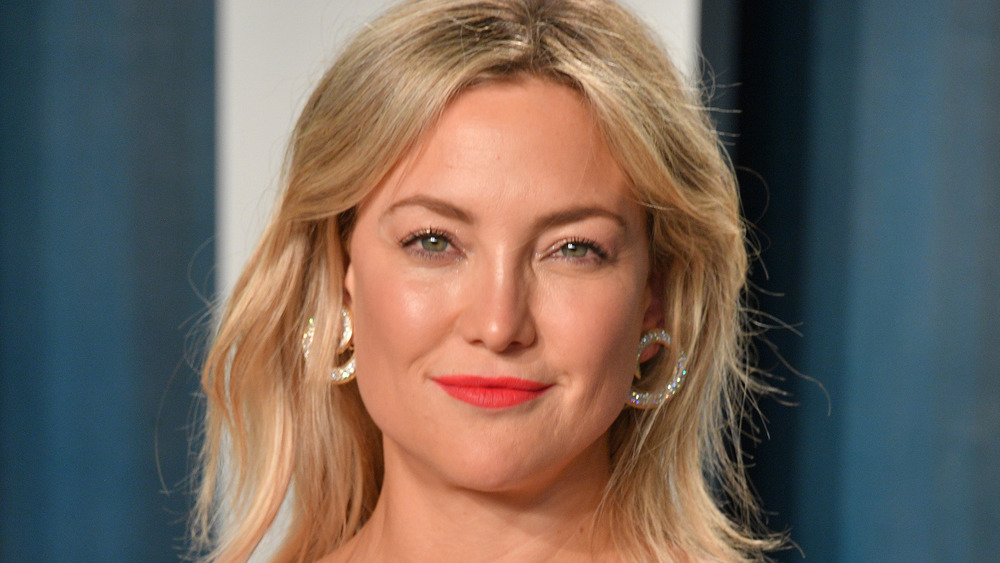
From an Academy Award-nominated breakout to the co-founding of an athleisure empire valued in the billions, Hudson represents a radical evolution of what it means to be an A-list talent. She is not merely surviving the shifting tides of the entertainment industry; she is setting the blueprint for how modern stars convert cultural capital into enduring commercial power.
The Acting Foundation: Charisma Meets Critical Acclaim
Before she was an entrepreneur, Kate Hudson was cinema's golden girl. Born into industry royalty as the daughter of Goldie Hawn and Bill Hudson (and raised by Kurt Russell), she faced early scrutiny common to second-generation performers. Yet, Hudson bypassed accusations of simple nepotism almost immediately through genuine screen magnetism and impeccable timing.
Her definitive breakout as Penny Lane in Cameron Crowe’s Almost Famous (2000) earned her a Golden Globe and an Academy Award nomination for Best Supporting Actress. The role showcased a rare combination of vulnerability, effortless cool, and emotional depth. Rather than remaining in prestige indie drama, however, Hudson pivoted to commercial cinema, dominating the 2000s romantic comedy landscape.
Hits like How to Lose a Guy in 10 Days (grossing over $177 million worldwide) and Bride Wars cemented her status as a bankable box-office draw. Even when studio rom-coms fell out of critical favor, Hudson's presence remained widely celebrated. Her performance in Rian Johnson’s Glass Onion: A Knives Out Mystery (2022) served as a sharp reminder of her comedic precision, earning her ensemble awards and reminding critics that her screen charisma has never faded.
The Fabletics Paradigm: Redefining Celebrity Commerce
In 2013, Hudson made a decision that permanently altered the trajectory of her career: she co-founded Fabletics with TechStyle Fashion Group. At the time, celebrity endorsements typically meant passive sponsorship deals, cosmetic licensing, or perfume lines. Entering the cutthroat activewear space with an innovative membership model was considered a high-risk gamble.
The gamble paid off spectacularly. Hudson did not simply license her name; she took an active equity stake and shaped the brand's identity around body positivity, accessibility, and functional fashion. Within a few short years, Fabletics grew into a global powerhouse:
- Rapid Revenue Growth: Surpassed $500 million in annual revenue within its first decade.
- Omnichannel Expansion: Scaled from an online-only subscription model to operating dozens of brick-and-mortar retail locations globally.
- Market Penetration: Successfully competed against established giants like Lululemon and Nike by serving mid-market consumers seeking stylish, affordable activewear.
By owning equity rather than accepting a flat promotional fee, Hudson unlocked a tier of wealth rarely attained through acting alone. Her personal net worth is conservatively estimated between $80 million and $100 million, largely bolstered by her business holdings.
The Real Value Behind Kate Hudson—Is She the Real Star of Hollywood?
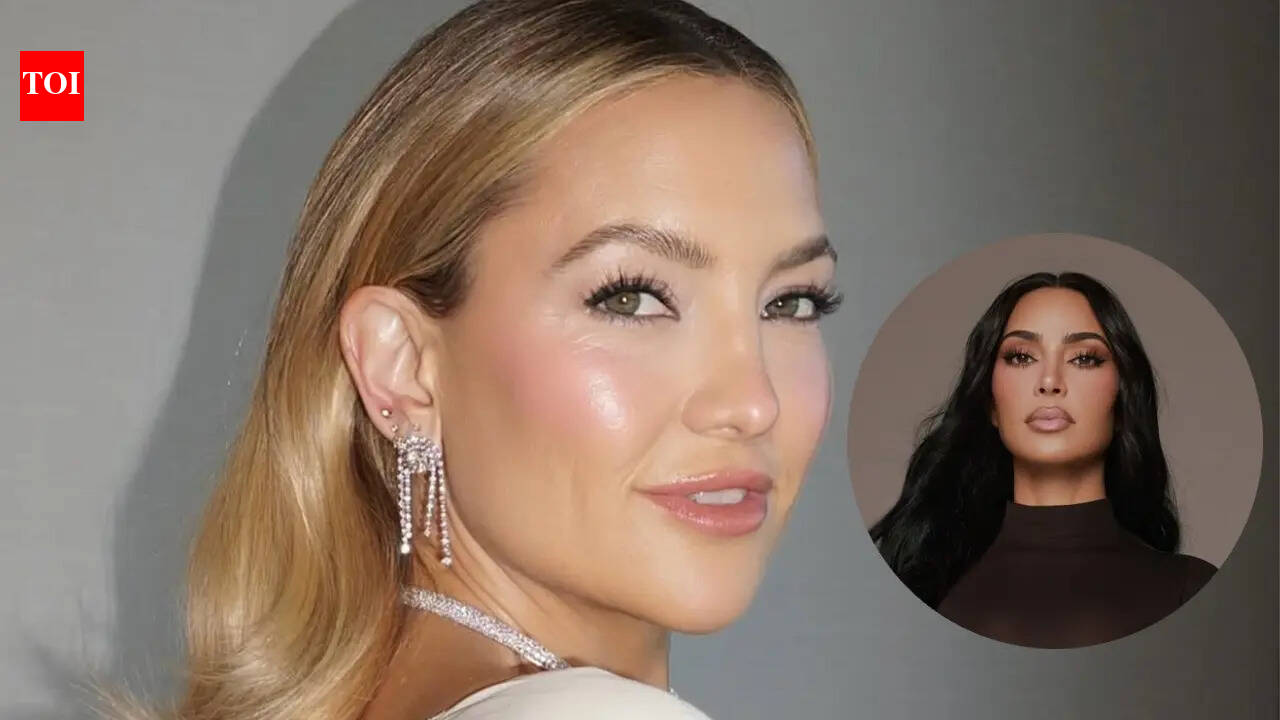
To determine whether Hudson is the real star of Hollywood, one must define what stardom means today. If stardom is measured solely by an Oscar on the mantelpiece or starring in Marvel blockbusters, conventional answers might look elsewhere. But if stardom is defined by autonomy, cultural longevity, and personal equity, Hudson stands at the very top of the industry.
Consider the vulnerability of the traditional actor. Actors are gig workers at scale; they rely on studios, directors, and algorithms to greenlight their livelihood. A cold streak at the box office can diminish an actor's leverage overnight. Hudson recognized this vulnerability early and effectively insulated herself from studio dependence.
Her real value lies in her multi-hyphenate portfolio:
- Creative Freedom: Because she is financially independent of Hollywood paychecks, she chooses roles purely for creative satisfaction or collaboration with directors she admires.
- Brand Ecosystem: Beyond Fabletics, she founded King St. Vodka, established the holistic wellness brand InBloom, and co-hosts the hit podcast Sibling Revelry alongside her brother Oliver Hudson.
- Audience Trust: Her commercial ventures succeed because her public persona—sunny, health-conscious, and approachable—aligns seamlessly with the products she creates.
The Anti-Diva: Authenticity as a Business Strategy
A crucial factor in Hudson's enduring appeal is her approachable persona. In an era dominated by hyper-curated, distant celebrity imagery, Hudson has long championed a casual, self-deprecating authenticity. Whether discussing blended families, the realities of aging in Hollywood, or her passion for songwriting—evidenced by her debut studio album, Glorious—she communicates with audiences without artificial pretense.
When the cultural discourse around "nepo babies" peaked, Hudson addressed her lineage directly and pragmatically. She acknowledged her family's storytelling roots while emphasizing that work ethic and genuine connection with audiences determine long-term survival. Audiences forgave the pedigree because the talent, warmth, and business acumen were undeniably her own.
The Blueprint for 21st-Century Stardom
Hollywood has historically struggled to value women over forty, often marginalizing female stars once their initial ingenue phase concludes. Hudson flipped that script entirely. She built her greatest commercial triumphs during the exact career phase where traditional studio executives might have limited her options.
She represents the modern Hollywood ideal: an artist who respects the craft of performance, respects the intelligence of her audience, and treats her personal brand as a serious corporate enterprise. Rather than waiting for Hollywood to offer her a seat at the table, she built her own boardroom.
Is Kate Hudson the real star of Hollywood? If the definition of a true star is someone who commands immense creative respect, controls their own capital, maintains generational cultural relevance, and redefines the boundaries of their industry, the answer is an undeniable yes.