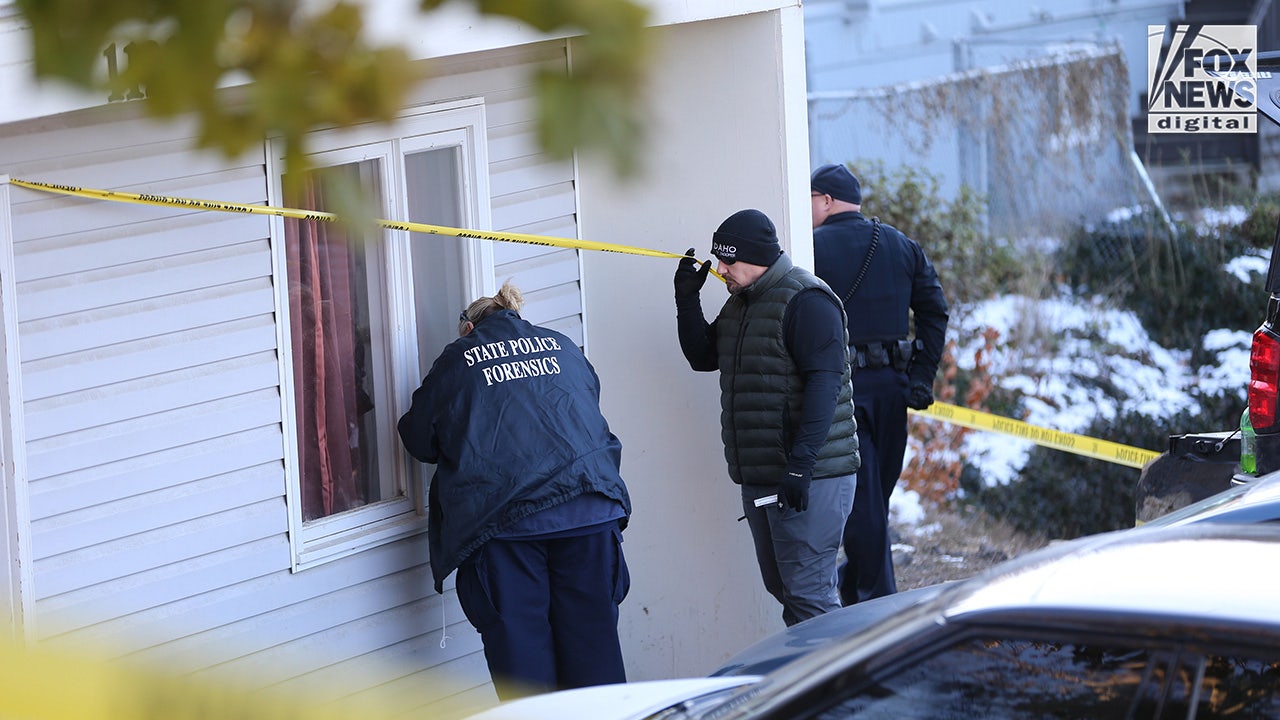
The Reality of Real Crime Scene Images in Investigations
The Reality of Real Crime Scene Images in Investigations
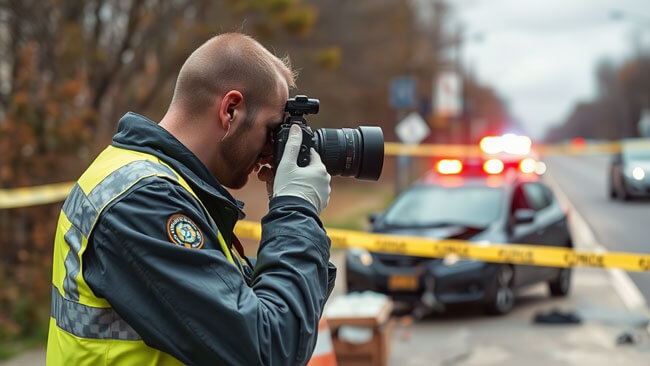
When most people encounter the term real crime scene images, they think of dramatic television shows or sensationalized internet forums. However, in the realm of law enforcement and forensic science, these photographs serve a solemn and critical purpose. They are objective records of a moment in time, capturing evidence that can make or break a criminal investigation or a courtroom trial.
Understanding how these images are captured, analyzed, and managed reveals a complex world far removed from Hollywood fiction. This article explores the protocol behind forensic photography, the ethical considerations of public access, and the technological advancements shaping modern crime scene documentation.
The Purpose of Forensic Photography
Unlike artistic or commercial photography, forensic photography is bound by strict scientific and legal standards. Every image captured by a crime scene investigator (CSI) must accurately represent the scene without distortion, bias, or alteration.
Documentation and Preservation
A crime scene is dynamic and perishable. Weather changes, emergency personnel alter environments, and evidence can degrade rapidly. Real crime scene images freeze the environment in its initial state. They document the position of bodies, weapons, bloodstain patterns, and transient evidence like footprints or tire tracks before any collection begins.
Courtroom Evidence
In a court of law, photographs act as a universal translator for the jury. Because most jurors will never visit the actual location where a crime occurred, high-resolution images allow them to visualize spatial relationships, lighting conditions, and the layout of the area. Prosecutors rely on these visuals to reconstruct events for judges and juries.
Types of Crime Scene Photographs
Investigators follow a systematic approach when documenting a location. Photography typically moves from macro to micro, ensuring every detail is accounted for.
- Overall Views: These wide-angle shots capture the entire scene and its surrounding environment, including entry points, nearby streets, and the general layout.
- Mid-Range Views: These shots establish the spatial relationship between specific pieces of evidence and fixed landmarks within the room or area.
- Close-Up Views: Taken at a 90-degree angle with a scale marker, these images focus on individual items of evidence, such as shell casings, tool marks, or wounds.
Ethics, Regulation, and Public Access
The rise of true crime media and internet culture has fueled an insatiable public curiosity regarding graphic content. However, the distribution and viewing of real crime scene images raise profound ethical questions regarding victim dignity, family privacy, and psychological impact.

Chain of Custody and Privacy Laws
Within law enforcement agencies, these photographs are strictly controlled under evidence management protocols. Unauthorized leaks are illegal and subject to severe professional and criminal penalties. Freedom of Information Act (FOIA) requests sometimes compel the release of historical case files, but modern jurisdictions often redact or withhold graphic images to protect the privacy of surviving family members.
The Psychological Impact on Professionals
Investigators, coroners, and forensic pathologists work with these images daily. Repeated exposure to violent and graphic imagery carries a severe psychological toll, often leading to compassion fatigue, anxiety, and post-traumatic stress disorder (PTSD). Modern police departments increasingly provide mental health support and trauma-informed training for personnel who handle graphic visual evidence.
Technological Advancements in Scene Documentation
Forensic imaging has evolved far beyond traditional 35mm film or digital point-and-shoot cameras. Today, investigators employ advanced technology to map environments with millimeter precision.
3D Laser Scanning and Photogrammetry
Tools like LiDAR (Light Detection and Ranging) allow investigators to create immersive 3D digital twins of crime scenes. These systems capture millions of data points, enabling forensic experts to measure distances, calculate bullet trajectories, and virtually revisit the scene years after it has been cleaned and released back to the public.
Multispectral Imaging
Advanced cameras can detect hidden evidence invisible to the naked human eye, such as latent fingerprints, washed-out bloodstains, or chemical residues. These technological leaps ensure that fewer clues are missed during the initial walkthrough.
Conclusion
Real crime scene images are much more than morbid curiosities or elements of true crime entertainment. They are foundational tools of justice, science, and historical record. While public fascination with forensic cases remains high, the primary duty of these photographs stays firmly rooted in the pursuit of truth, accountability, and the protection of justice.