The Restoration of Career Flexibility After Pink
A sudden layoff forces an abrupt confrontation with professional vulnerability. For years, conventional career advice promised that loyalty and steady performance would yield stability. Yet when a severance package arrives, that perceived security evaporates overnight. The restoration of career flexibility after pink slips become reality is not merely about landing another corporate role; it is about permanently dismantling your dependence on a single employer and reclaiming control over how, where, and why you work.
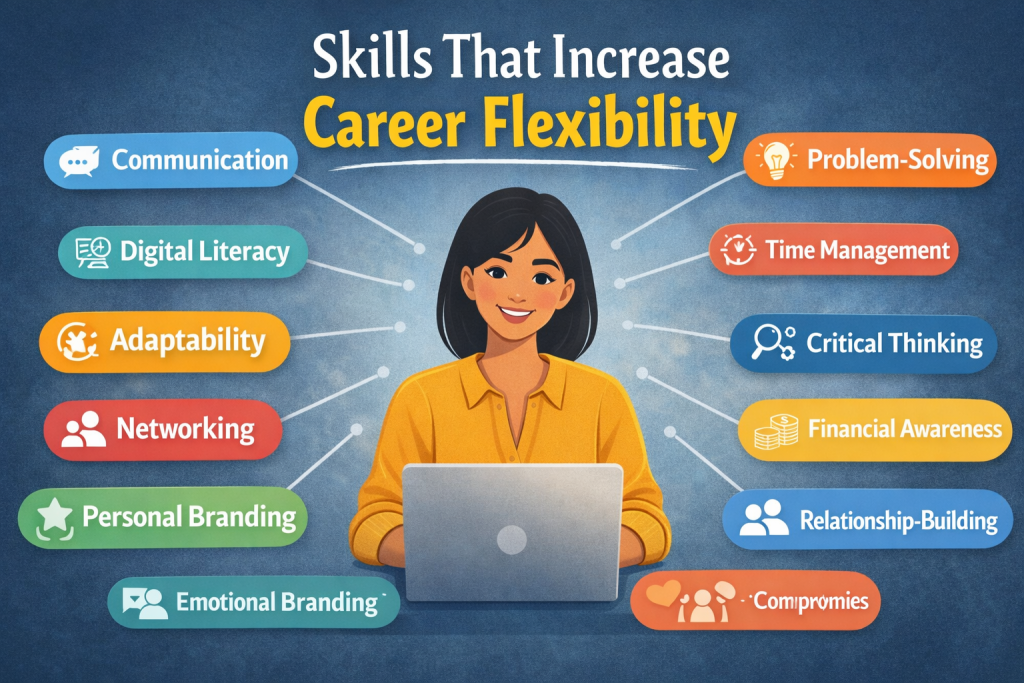
While an unexpected job loss triggers acute stress, it also uncovers an underappreciated opportunity: a clean slate to redesign your professional life on your own terms. Restoring flexibility requires shifting from a passive employee mindset to an active, sovereign operator.
The Psychological Pivot: From Disposable to Autonomous
The initial shock of job loss often manifests as a loss of identity. When an employer dictates your schedule, your compensation, and your title, losing that role feels like losing your standing in the industry. However, the first step toward reclaiming autonomy is recognizing that corporate layoffs rarely reflect individual merit. They are structural, financial calculations.
Rebuilding flexibility begins with decoupling your self-worth from your employment status. When you stop viewing an employer as a protector and start viewing them as a client or partner, your relationship with work fundamentally changes. This psychological shift allows you to approach your next chapter with leverage rather than desperation.
The Restoration of Career Flexibility After Pink: 4 Core Pillars
Regaining career mobility does not happen by accident. It demands intentional operational restructuring across your finances, skills, and professional relationships.
1. Conduct a Transferable Skills Audit
Most workers describe themselves using internal corporate jargon and specific job titles. To unlock true mobility, you must deconstruct your experience into core, market-facing capabilities. Ask yourself:
- What high-value problems can I solve within the first 30 days of entering an organization?
- Which processes, revenue channels, or technical workflows have I built from scratch?
- Can my domain expertise be packaged for adjacent industries that are currently hiring?
When you articulate your value in terms of measurable business outcomes—such as reducing operational overhead, accelerating go-to-market speed, or leading post-merger integration—you immediately widen your options beyond narrow, traditional job postings.
2. Transition Toward a Portfolio Career Model
Relying on a single W-2 employer carries concentrated risk. One of the most effective ways to restore flexibility is by building a portfolio career. Rather than committing 100% of your productive capacity to one organization, consider distributing it across multiple revenue streams:
- Fractional or Advisory Work: High-leverage advisory engagements for growing businesses that need senior talent but lack the budget for full-time executive salaries.
- Targeted Project Consulting: Short-term, deliverables-based contracts that pay a premium for specialized skills.
- Monetized Knowledge Assets: Paid workshops, cohort courses, or technical writing within your niche.
Even if you ultimately choose to return to traditional full-time employment, operating as an independent consultant during your transition preserves your agency, prevents resume gaps, and demonstrates entrepreneurial resilience to prospective employers.

3. Re-engineer Your Financial Runway
Flexibility is impossible without financial breathing room. Desperation is the primary enemy of career autonomy; when savings run thin, professionals are forced to accept the first available offer, often walking into an environment as rigid and fragile as the one they just left.
Take immediate control of your cash burn. Calculate your baseline monthly living costs and establish a survival runway. If you received a severance package, treat it as self-directed seed capital for your career pivot rather than a short vacation. Having three to six months of guaranteed expenses covered provides the psychological leverage needed to negotiate better terms or hold out for roles that offer genuine scheduling freedom.
4. Activate a Value-Driven Network
Standard networking often defaults to sending desperate cold applications into applicant tracking systems (ATS). True career flexibility is built on warm, trust-based relationships. Reach out to former colleagues, vendors, clients, and industry peers with a clear, concise message focusing on mutual value:
- State clearly that you have transitioned to an independent or exploratory phase.
- Outline the two or three specific challenges you are helping teams solve right now.
- Ask open-ended questions about what their organizations are struggling with this quarter.
By positioning yourself as an active solver of problems rather than a passive seeker of jobs, you create conversations that lead to bespoke roles, consulting gigs, and unadvertised leadership positions.
Setting Non-Negotiable Boundaries for Your Next Role
If your journey leads you back toward an in-house, full-time position, the objective is to ensure you never forfeit your career flexibility again. Use the interview process as a two-way evaluation mechanism to protect your hard-won autonomy.
Evaluate potential employers on their operational maturity:
- Results-Oriented Workplace: Does the organization measure output and strategic impact, or do they police digital activity, badge swipes, and chair time?
- Asynchronous Communication: Are teams empowered to work independently across time zones, or is the culture paralyzed by continuous, low-value meetings?
- Outside Activities and IP Rights: Does your employment contract allow you to advise startups, write, or maintain non-competing side ventures?
Negotiating flexibility upfront is far easier than trying to claim it after signing an employment agreement. Clarify expectations regarding remote work flexibility, core collaboration hours, and professional development budgets before finalizing an offer.
The Long-Term Advantage of Career Sovereignty
Experiencing an involuntary exit is a painful disruption, but it often serves as a catalyst for professional maturity. It forces you to realize that security does not come from a company handbook, an impressive corporate badge, or an executive promise. True security comes from your reputation, your network, and your ability to generate income across varied environments.
By establishing your skills inventory, diversifying your revenue potential, and protecting your personal boundaries, you reclaim your agency. Moving forward, you are no longer an employee waiting for decisions to happen to you—you are an independent professional managing your own sustainable career enterprise.