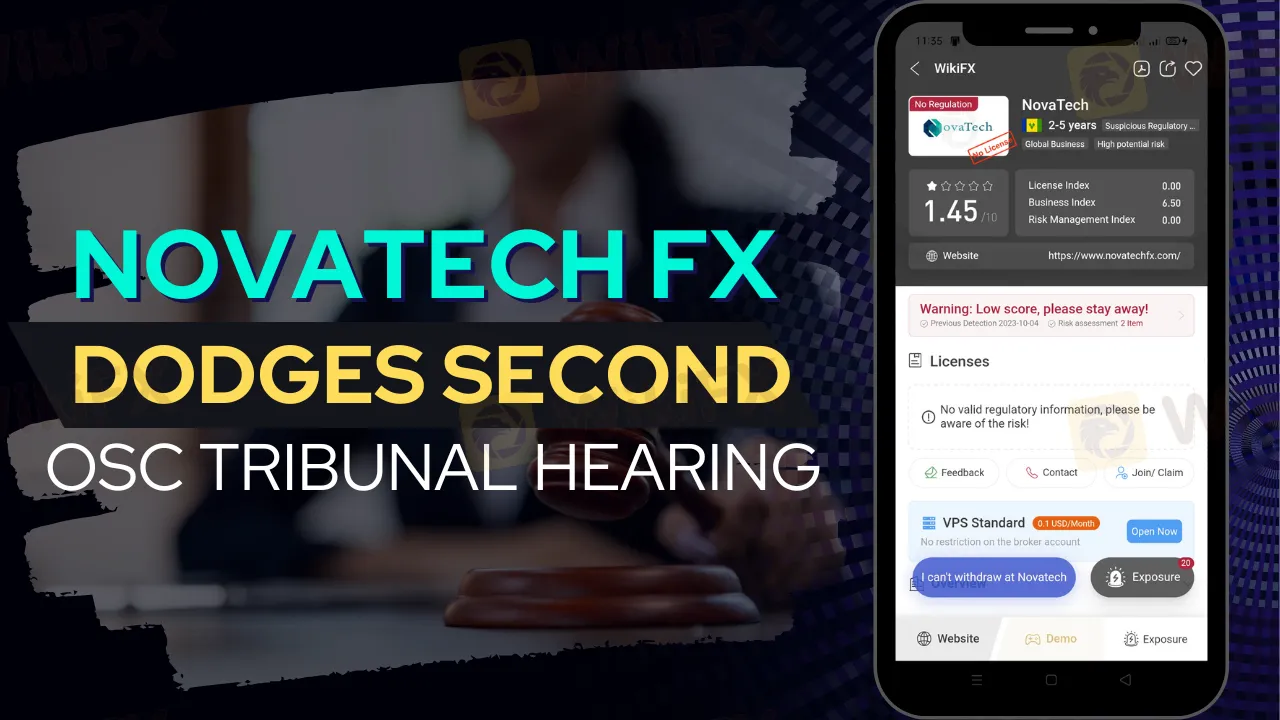
The Rise and Fall of Novatech FX: What We Learned
Understanding Novatech FX and Its Rise

In the digital age, online trading and cryptocurrency platforms constantly emerge, promising high returns with minimal effort. Among these, Novatech FX gained significant traction, drawing in thousands of retail investors worldwide. Marketed as an automated forex and crypto trading platform, it promised daily profits and passive income opportunities through its multi-level marketing (MLM) structure.
Launched around 2019, the platform attracted users by claiming to use advanced algorithms and expert traders to generate consistent returns in both foreign exchange and digital asset markets. For many looking to grow their wealth outside of traditional banking, the allure of compounding daily interest proved irresistible. However, behind the glossy interface and glowing testimonials, warning signs were flashing for financial watchdogs and experienced market analysts.
The Anatomy of the Platform
To understand why the platform gained such massive popularity—and why it ultimately failed—it helps to look at how it was structured. Novatech FX operated primarily as a pool where users deposited funds in cryptocurrency, primarily Bitcoin or Ethereum, which were then converted into internal credits for trading.
Key Features of the Ecosystem
- Automated Trading Packages: Users could purchase PAMM (Percentage Allocation Management Module) accounts that supposedly traded forex and crypto automatically.
- Referral Bonuses: A heavy emphasis was placed on recruiting new members, offering lucrative bonuses for building a downline.
- Daily Returns: The platform advertised consistent daily payouts, a statistical anomaly in legitimate financial markets.
This combination of high-yield promises and network marketing is a classic hallmark of high-yield investment programs (HYIPs). While early participants often reported being able to withdraw funds, sustainable trading operations simply cannot guarantee fixed daily profits regardless of broader market conditions.
Red Flags and Regulatory Warnings
As the user base expanded, regulatory bodies around the world began taking notice. Financial authorities issued formal cease-and-desist orders and investor alerts regarding Novatech FX. The primary concerns raised by regulators included:

- Lack of Proper Licensing: The platform operated without authorization from major financial watchdogs, such as the SEC or CFTC in the United States, or the FCA in the United Kingdom.
- Unrealistic Returns: Promising consistent daily or weekly returns defies the inherent volatility and risk of both forex and cryptocurrency markets.
- Anonymous Leadership: The founders and operators often used pseudonyms or kept a low profile, making accountability difficult.
- MLM Structure: More revenue was seemingly generated by recruiting new members than by actual trading activity.
Despite these public warnings from regulators in jurisdictions like Texas, California, and various Canadian provinces, the community continued to grow, fueled by social media influencers and dedicated promoters who defended the platform against critics.
The Collapse and Fallout
Like many similar operations before it, the tipping point eventually arrived. Users began experiencing significant delays when attempting to withdraw their funds. Customer support responses shifted from unhelpful to non-existent, and official announcements cited technical upgrades or regulatory compliance as reasons for frozen accounts.
Eventually, withdrawals were halted entirely, locking investors out of their capital. Legal investigations followed, revealing that the incoming funds from new users were likely being used to pay off older investors—the textbook definition of a Ponzi scheme. Law enforcement agencies initiated asset freezes and criminal probes, leaving victims with little recourse to recover their lost funds.
Key Lessons for Modern Investors
The saga serves as a cautionary tale for anyone navigating the modern financial landscape. To protect yourself from similar schemes, keep the following principles in mind:
First, always verify regulatory compliance. If a platform claims to trade securities or forex, check official government registries to confirm they are legally authorized to do so. Second, be skeptical of guaranteed returns. Legitimate trading involves risk, and no algorithm or expert trader can win every single day.
Finally, exercise caution with multi-level marketing investment structures. If a platform rewards you more for recruiting friends and family than it does for actual economic activity, it is almost certainly unsustainable. By staying vigilant and prioritizing capital preservation over get-rich-quick promises, investors can better safeguard their financial futures.