The Rise and Fall of the 123movies Company
In the digital age, few names carry as much notoriety in the realm of online entertainment as 123movies. For years, the elusive 123movies company operated a sprawling network of video-streaming websites that allowed millions of users worldwide to watch movies and television shows for free. Without ever owning a single server farm, a single studio lot, or paying licensing fees, the platform grew into one of the most visited websites on the internet.

Understanding the phenomenon of this platform requires looking past the simple narrative of internet piracy. It involves examining user behavior, the complexities of global copyright law, and the relentless international law enforcement efforts that eventually dismantled the network.
The Origins and Growth of the 123movies Company
The exact origins of the 123movies company remain murky, as is typical with large-scale piracy operations. Industry analysts and copyright watchdogs trace the network's roots back to Vietnam around 2014 or 2015. Initially, the site started as a simple directory linking to third-party video hosts, but it quickly evolved into a sophisticated platform that hosted and embedded high-definition media directly on its pages.
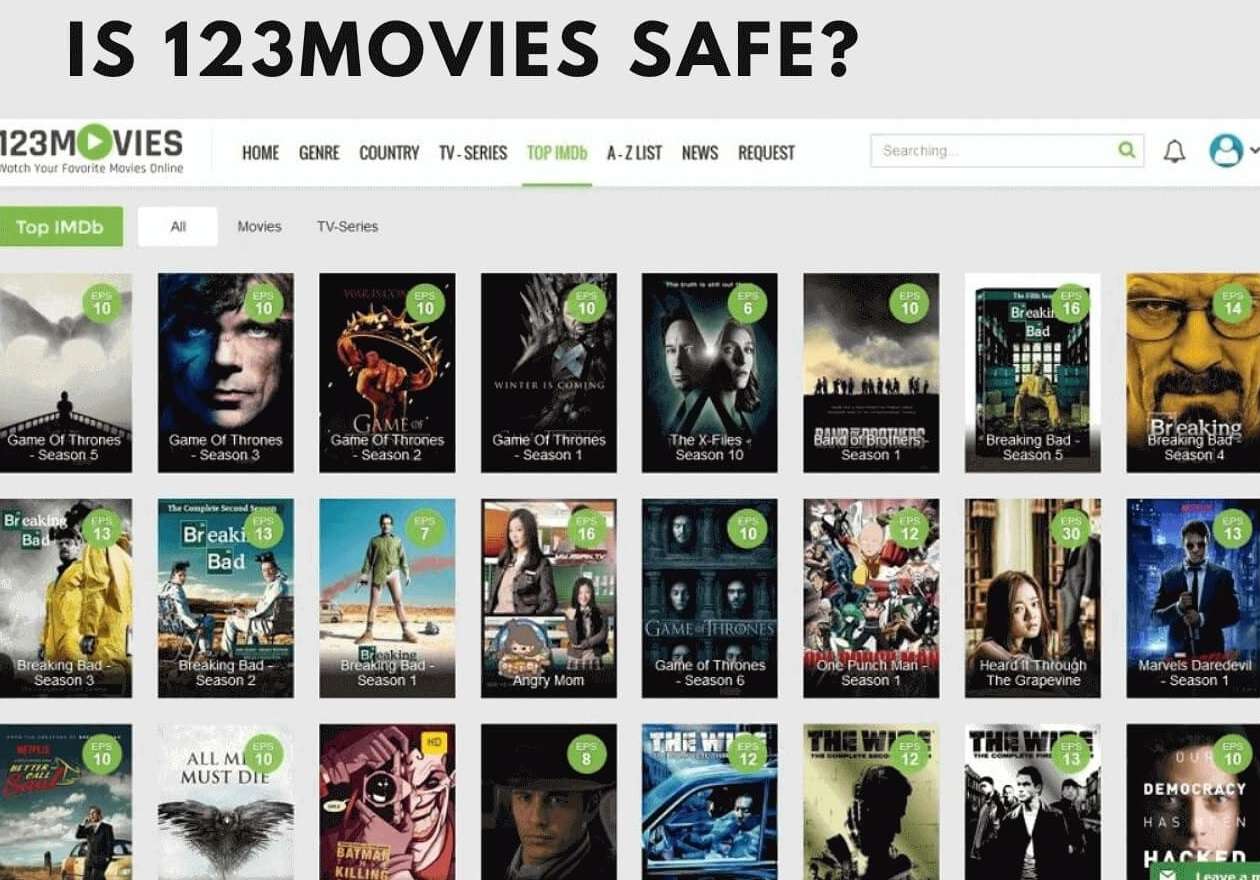
What set this platform apart from its competitors was its user experience. At a time when legitimate streaming services were fragmented and riddled with regional restrictions, the platform offered:
- A clean, minimalist user interface that rivaled paid services like Netflix.
- Fast loading speeds and multiple server backups to prevent buffering.
- An expansive library containing newly released theatrical films, indie projects, and classic television shows.
- No mandatory subscription fees or aggressive registration walls, relying instead on intrusive popup ads and third-party gambling banners to generate revenue.
By 2016, the platform and its numerous clones were pulling in tens of millions of unique visitors daily. It wasn't just a website; it had become a global cultural touchstone for budget-conscious viewers who could not afford multiple streaming subscriptions.
How the Operation Worked Behind the Scenes
The operational model of the 123movies company was designed for maximum resilience. Instead of storing massive video files on centralized servers—which would invite immediate legal action and high bandwidth costs—the operators utilized a decentralized web of third-party video hosters, cloud storage providers, and content delivery networks (CDNs).
When a user clicked play on a movie, the site simply embedded a player linked to an external file. If that specific link was taken down due to a copyright complaint, the site's automated scrapers or administrators could easily swap it out for a new one within minutes.
The Revenue Engine
Despite offering free content, the operators behind the network generated substantial revenue. The site monetized its massive web traffic through shady advertising networks. Users were frequently subjected to redirects, pop-unders, and ads promoting fraudulent software, cryptocurrency schemes, and offshore casinos. This lucrative ad revenue funded the continuous domain hopping and technical infrastructure upgrades needed to stay online.
Video: 123Movies.to - Intro

The Crackdown and Global Legal Pressure
The sheer scale of the operation did not go unnoticed. The Motion Picture Association (MPA), alongside major Hollywood studios and international copyright alliances, targeted the 123movies company as public enemy number one.
In 2016, the MPA officially labeled the platform the most popular illegal site in the world, noting that it operated openly from Vietnam and caused catastrophic financial damage to the global film industry. This designation turned up the heat significantly, prompting diplomatic pressure on Southeast Asian governments to take decisive action.
The Closure and Arrests
The pressure culminated in March 2018 when the Prime Minister of Vietnam publicly ordered the Ministry of Public Security to investigate and shut down the network. Shortly after, the primary domain and its primary iterations went offline, replaced by a polite goodbye message from the administrators urging users to pay for content.
While the main ringleaders were reportedly identified and faced local legal scrutiny, the decentralized nature of the network meant that complete eradication was nearly impossible.
The Legacy of 123movies and the Hydra Effect
The shutdown of the original 123movies company did not solve the problem of digital piracy; instead, it triggered the "Hydra effect." Almost immediately after the core domains went dark, hundreds of copycat sites emerged, using the same branding, the same layout, and scraped databases to capture displaced users.
Today, searching for the brand yields countless mirror sites, many of which pose severe cybersecurity risks. Security researchers frequently warn that modern clones of the platform are hotbeds for malware, phishing scams, and crypto-jacking scripts designed to exploit unsuspecting visitors.
Conclusion
The saga of the 123movies company remains a watershed moment in the history of digital media. It exposed the structural weaknesses of the early streaming era, proving that consumers gravitate toward convenience, aggregation, and accessibility. While the original network is long gone, the cat-and-mouse game between copyright holders and pirate streaming syndicates continues to evolve in the modern digital landscape.