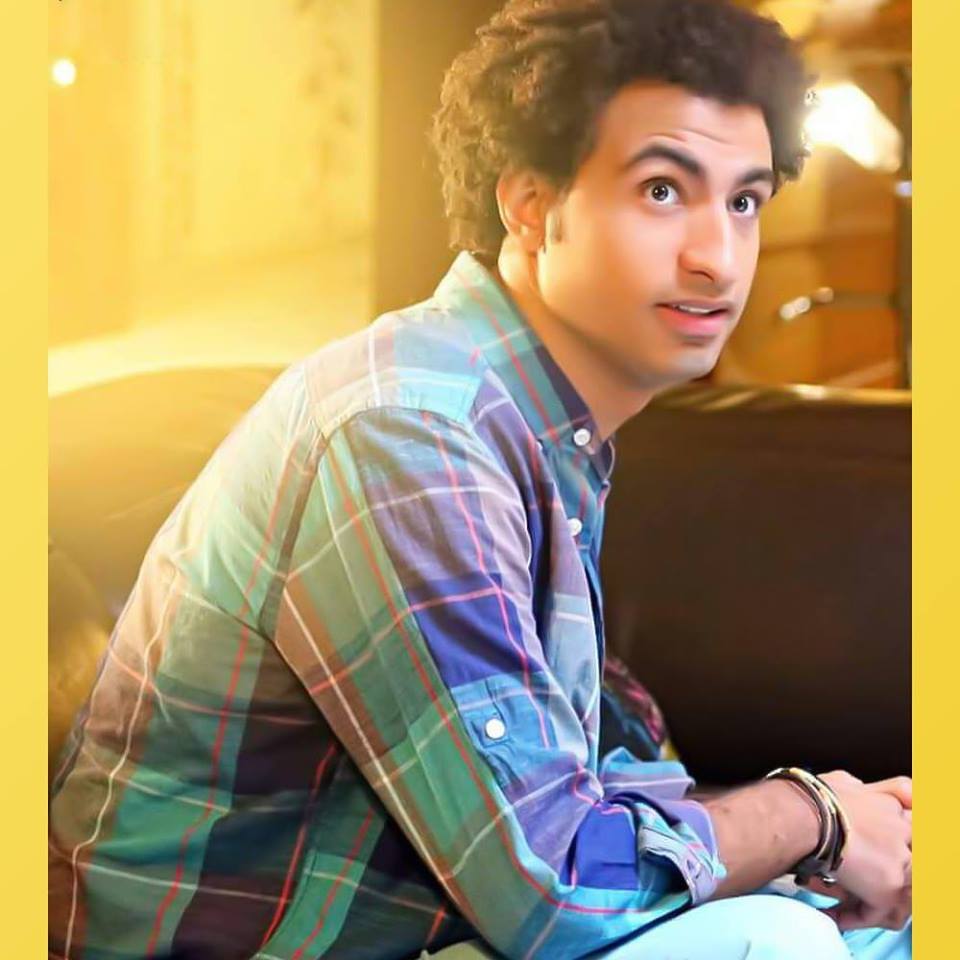
على ربيع: The Rise of Egypt's Comedy Star
Few comedic performers in contemporary Arab entertainment have made as swift and lasting an impression as على ربيع (Ali Rabee). Instantly recognizable by his signature voluminous curls, expressive facial shifts, and unapologetically absurd improvisations, the Egyptian actor has become a foundational figure in modern popular comedy. Over the past decade, he transitioned from university stages to national television, redefining sketch comedy and carrying mainstream box-office releases.

Early Life and Academic Theater Roots
Born on March 29, 1989, Ali Rabee grew up in a working-class environment that deeply informed his later artistic sensibility. Like many luminaries of Egyptian stage and screen, his comedic talent was not nurtured in elite drama academies, but rather on the fiercely competitive boards of university theater.
While studying at the Faculty of Commerce at Cairo University, Rabee joined the university's drama troupe. University theater in Egypt has historically served as an incubator for raw comedic and dramatic talent, providing performers with hands-on experience in pantomime, classical adaptations, and social satire. Rabee quickly stood out for his eccentric comedic timing and innate stage presence, catching the attention of veteran theater directors looking for fresh faces outside the traditional casting pipelines.
The Breakthrough: Masrah Masr and على ربيع
Rabee's career trajectory changed dramatically when veteran comedic actor Ashraf Abdel Baqi launched an ambitious live theater initiative originally titled Teatro Masr, which later evolved into the cultural juggernaut Masrah Masr (Egypt's Theater). Designed to revive public interest in stage comedy via televised weekly one-act plays, the project sought hungry, unconventional talents.
Within this ensemble cast—which also launched the careers of Mostafa Khater, Hamdi El-Merghany, and Mohamed Abdel-Rahman—على ربيع emerged as the undisputed breakout sensation. His performances relied heavily on unscripted detours, absurd logic, and breaking the fourth wall. While traditional Egyptian farce frequently relied on elaborate narrative setups, Rabee captivated millions across the Arab world through pure physical expression and rapid-fire verbal nonsense that subverted ordinary punchlines.
Defining the Comedic Style
Rabee’s style stands apart from the satirical political comedy of older Egyptian legends like Adel Emam or the hyper-verbal wit of Mohamed Henedi. Instead, his approach leans heavily into the absurd:
- Deadpan Parody: Delivering completely illogical statements with absolute gravity and earnestness.
- Physicality and Mannerisms: Utilizing his hair, distinctive posture, and sudden shifts between frantic movement and stone-faced stillness.
- Spontaneous Improvisation: Often catching fellow actors off-guard during live tapings, turning genuine onstage corpsing into a central comedic hook.
Transition to Primetime Television
Following his stage triumph, production companies moved quickly to translate Rabee’s mass appeal to television, particularly during the high-stakes Ramadan viewing season. After memorable guest appearances and co-starring roles in shows like Lahfa (2015) alongside Donia Samir Ghanem, Rabee took on leading roles.

Key Television Projects
- Khafeyet Yed (Sleight of Hand, 2018): A fast-paced comedic adventure that paired him with Mohamed Tharwat and Mirna Jamil, showcasing his ability to lead an ensemble outside the theater format.
- Fekret Be Milion Geneh (A Million-Pound Idea, 2019): Rabee played an eccentric inventor trying to monetize unconventional ideas, a premise custom-built for his frantic, optimistic screen persona.
- Omr w Diab (2020): Co-starring with fellow Masrah Masr alumnus Mostafa Khater, this series leaned into slapstick buddy comedy as two cash-strapped men attempt to pay off debt through disastrous odd jobs.
- Ahsan Abb (The Best Dad, 2021): A shorter 15-episode format that allowed Rabee to balance broader situational comedy with family-friendly warmth, portraying a con artist who pretends to be a dedicated father to win prize money.
- Nassiby Wa Qesmetak: Selected dramatic and dramedy anthology appearances where he tested the boundaries of his screen range.
Box Office Trajectory and Film Success
The cinematic transition is often the ultimate test for Egyptian stage comics, and Rabee quickly found a dependable home in holiday box-office slots, especially during Eid Al-Fitr and Eid Al-Adha.
His early cinematic foray included co-starring in Hassan w Bo'loz (2016), sharing the screen with Karim Fahmy. The film leveraged Rabee's immediate audience goodwill, proving that his theater following was willing to buy movie tickets. He followed this with Khair w Baraka (2017), an outright farce alongside Mohamed Abdel-Rahman that solidified his reputation as an Eid box-office regular.
In subsequent years, Rabee took full top-billing in films such as El Kheta El Aayma (The Blind Plan, 2020), Baad El Shar (Evil Averted, 2023), and Aal Mashi (Walking, 2024). In Aal Mashi, Rabee tackled the role of a sedentary man afflicted with a rare medical condition forcing him to keep walking without pause, providing a structured physical premise that accommodated his kinetic energy.
Critical Appraisal and Creative Challenges
Despite his undeniable commercial footprint, Rabee’s career has faced scrutiny from critics and industry analysts. The primary challenge common to comedy stars bred in weekly theater is the tendency to rely on familiar tropes rather than grounded storytelling. Early in his cinematic leading roles, some critics pointed to weak screenwriting, arguing that productions relied entirely on Rabee's improvisational charm rather than coherent screenplays.
However, recent projects indicate a conscious effort to select scripts with stronger narrative engines. By working alongside established comedic directors and seasoned screenwriters, Rabee has worked to anchor his high-energy absurdism within narratives that sustain interest across a 90-minute film or a month-long television arc.
Cultural Impact and Lasting Appeal
Ali Rabee represents an important turning point in 21st-century Egyptian entertainment. He bridged the gap between old-school variety theater and the fast-paced, meme-driven humor demanded by younger generations. His lines frequently circulate as soundbites on social media platforms, proving his resonance with Arab youth who favor quick, disarming, and lighthearted escapism.
Whether navigating the complications of an eccentric film protagonist or returning to the stage, Rabee retains the essential quality that first won over audiences in university auditoriums: an unpretentious, accessible warmth that makes laughter feel spontaneous and effortlessly shared.