The Science Behind Love Compatibility and Birth Dates
Human beings have spent millennia trying to decode the mystery of romance. Why do some couples effortlessly synchronize, while others constantly clash? Throughout history, people have turned to calendar systems, looking to the exact moment of birth for answers. Today, curiosity about the science behind love compatibility and birth dates remains as strong as ever, bridging ancient traditions with modern psychological frameworks.

While mainstream science views birth date compatibility through the lenses of developmental psychology, behavioral statistics, and chronobiology, cultural systems like astrology offer symbolic frameworks that millions find deeply resonant. Let us explore how these different worlds intersect to explain why our entry into the world might just influence our choice of partner.
The Psychological Reality of Birth Dates and Age-Gap Dynamics
From a strictly scientific standpoint, a birth date dictates age, generational markers, and developmental milestones. Developmental psychology shows that partners born within a similar timeframe often share cultural touchstones, communication styles, and societal expectations. These shared reference points can significantly reduce friction in early relationship stages.
However, age differences—derived directly from birth dates—also create distinct relationship dynamics:
- Shared Life Stages: Couples born close together typically navigate career building, financial independence, and family planning simultaneously.
- Complementary Maturity: Wider age gaps often introduce mentor-mentee dynamics, where one partner provides established life experience while the other brings novel energy and adaptability.
- Generational Values: Sociological studies indicate that individuals born in the same era share core attitudes toward work, authority, and technology, which impacts long-term conflict resolution.
Chronobiology: How Birth Seasons Shape Personality
Long before astrology assigned traits to zodiac signs, chronobiology—the study of biological rhythms—began investigating how the season of one's birth impacts physiology and personality. The month and season you are born dictate your early exposure to sunlight, temperature fluctuations, and seasonal allergens, all of which subtly alter neurodevelopment.
Seasonal Birth and Mood Tendencies
Researchers in behavioral chronobiology have discovered fascinating statistical correlations between birth seasons and temperamental traits:
Studies on neurotransmitters like dopamine and serotonin suggest that early-life environmental conditions permanently calibrate our baseline moods. For instance, people born in spring and summer often exhibit higher baseline optimism (hyperthymic temperament), while those born in autumn and winter show lower rates of irritability. When two people form a romantic bond, the interplay of their seasonally molded neurochemistry can create either a stabilizing balance or an amplification of volatile traits.

Astrology and the The Science Behind Love Compatibility and Birth Dates
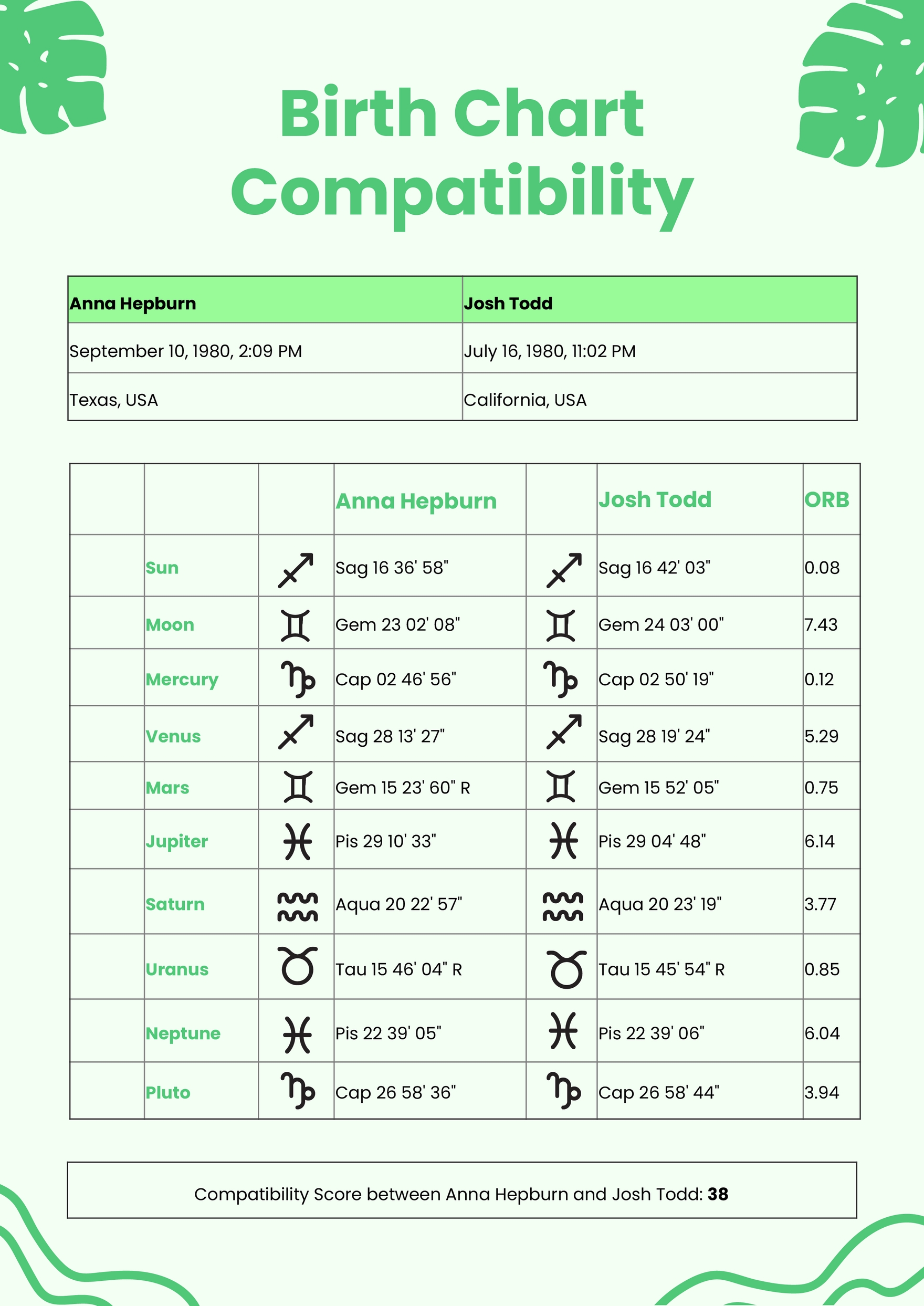
When people speak about birth dates and romance, they are usually referring to astrology. While astrology is classified as a pseudoscience by the scientific community, its psychological utility cannot be entirely dismissed. Carl Jung introduced the concept of synchronicity and archetypes, suggesting that astrological systems serve as a mirror for human behavior and subconscious desires.
Astrological compatibility relies heavily on elements (Fire, Earth, Air, Water) and modalities (Cardinal, Fixed, Mutable). In practice, these categories map closely to modern psychological personality models like the Big Five:
- Fire and Air signs often correlate with high extraversion, openness to experience, and spontaneity.
- Earth and Water signs frequently align with higher scores in conscientiousness, emotional sensitivity, and agreeableness.
When an astrological system suggests that an Earth sign balances a Water sign, it is essentially describing a psychological complement: stability meeting emotional depth. People gravitate toward these frameworks because they provide a structured vocabulary for understanding complex interpersonal dynamics.
The Barnum Effect and Confirmation Bias
To maintain a balanced perspective, we must examine the cognitive biases that make birth date compatibility feel so accurate. The Barnum Effect (or Forer Effect) describes the psychological phenomenon where individuals believe generic personality descriptions apply specifically to them. Horoscope matching and birth date analyses often use flattering, broad statements that anyone can relate to.
Furthermore, confirmation bias plays a powerful role. If a birthday compatibility report tells you that you are destined to clash with a Scorpio or a person born in November, you will vividly remember every argument while ignoring the harmonious moments. Recognizing these cognitive biases does not ruin the fun of checking compatibility; instead, it helps you approach relationship tools with healthy self-awareness.
Using Compatibility Tools Constructively
Ultimately, whether you look at a birth date through the lens of generational sociology, chronobiology, or traditional astrology, these systems are best used as conversation starters rather than absolute laws of attraction. Successful, lasting relationships depend on active communication, emotional intelligence, shared values, and mutual respect—variables that no calendar can fully predict.
Use your birth date insights to spark curiosity about your partner's inner world, identify potential blind spots in your communication styles, and appreciate the unique background each of you brings to the partnership.