The Shocking Psychology Behind the Blueface Leak That Won’t Die
Introduction: Why Scandal Refuses to Die

In the fast-paced ecosystem of modern social media, viral moments usually burn bright and extinguish within 48 hours. A new headline replaces the old one, and the collective digital consciousness moves on. Yet, certain cultural anomalies defy this rule of rapid decay. Weeks, months, and sometimes years after the initial shockwave, specific controversies maintain a stubborn grip on public attention. Among the most perplexing recent examples is the shocking psychology behind the Blueface leak that won’t die.
To understand why this particular event continues to trend, resurface, and dominate comment sections, we have to look past the celebrity names and examine the deeper cognitive mechanisms at play. Internet scandals involving explicit content are nothing new, but the public's relentless appetite for consuming, discussing, and resurrecting this specific leak points to fascinating patterns in human behavior, digital voyeurism, and the architecture of modern fame.
The Anatomy of a Viral Resurfacing
When private media involving rapper Blueface and his partner leaked online, it instantly triggered a massive wave of algorithmic engagement. Platforms like X (formerly Twitter), TikTok, and Instagram flooded with commentary, memes, and speculation. However, the true shock lies not in the initial explosion of views, but in the longevity of the discourse.
Long after platform moderators purged the explicit files and the primary news cycle shifted, users continued to search for remnants of the event. This persistent curiosity transforms a standard internet mishap into a permanent digital artifact. Understanding why people refuse to let go requires dissecting the psychological triggers that keep the story alive.
Cognitive Drivers of Digital Obsession
Why do certain leaks refuse to fade into obscurity? Human psychology offers several clear explanations for our inability to look away from high-profile digital trainwrecks.
1. The Illusion of Intimacy and Parasocial Relationships
In the era of reality television and constant social media vlogging, fans develop intense parasocial relationships with celebrities. They feel as though they know these public figures personally. When a deeply private, unvarnished moment is exposed to the public, it shatters the curated boundary between the celebrity persona and the real person. This creates a psychological jolt—a bizarre form of intimacy that draws consumers in, making them feel like insiders privy to a forbidden reality.
2. The Dopamine Loop of Outrage and Curiosity
Modern social media is engineered around intermittent reinforcement. Every time a user searches for updates, scrolls through a debate, or stumbles upon a new reaction video, their brain experiences a small hit of dopamine. The uncertainty surrounding the leak—its authenticity, the fallout, and the reactions of those involved—keeps the brain in a state of active anticipation. We stay engaged because our brains treat unresolved narratives as puzzles waiting to be solved.
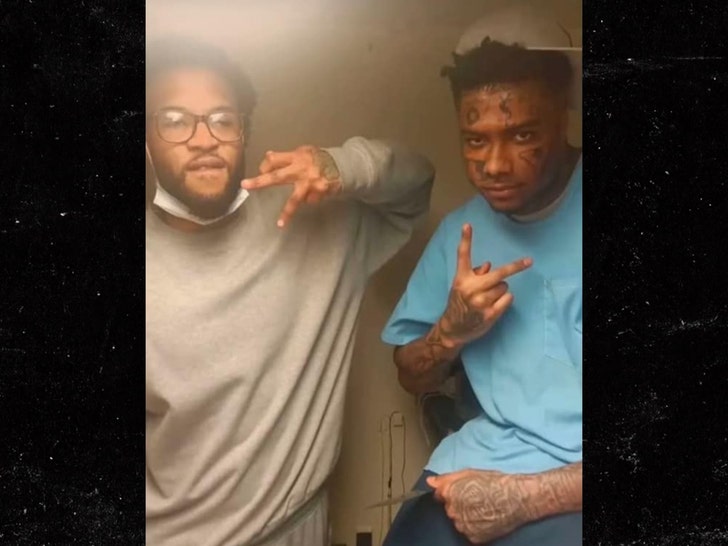
Video: Nevaeh GOES OFF & wants FULL CUSTODY of Blueface Jr & Speaks about Chrisean & her Alleged DUI
3. The Safety of Distance and Digital Voyeurism
Voyeurism is an ancient human impulse, but the internet has democratized and detached it from physical consequences. Watching a high-profile figure experience a catastrophic loss of privacy from the safety of a smartphone screen provides a strange psychological thrill. It offers a separation between the observer and the observed, lowering our internal inhibitions and encouraging participation in digital gossip loops.
The Role of Algorithm Amplification
Human psychology does not operate in a vacuum; it interacts directly with machine learning algorithms. The mechanics of modern platforms are designed to reward engagement above all else. Every time a user clicks, comments, or even pauses on a post related to the controversy, the algorithm interprets that behavior as a demand for more.
Even users who are indifferent to the actual personalities involved find themselves trapped in the slipstream of the discourse. The algorithm feeds the fire, ensuring that the topic frequently reappears on 'For You' pages. In this sense, the leak won’t die because the underlying digital infrastructure actively prevents it from dying.
Celebrity Branding and the Economy of Infamy
In contemporary hip-hop and internet culture, controversy is often treated as currency. The monetization of attention means that negative publicity can sometimes yield tangible engagement metrics, brand visibility, and cultural relevance.
- Controversy as Marketing: Scandals keep names circulating in algorithmic feeds, driving traffic to music releases and business ventures.
- Audience Complicity: Fans and critics alike participate in a shared performance, treating real-life chaos as entertainment.
- The Normalization of Exposure: Constant public scrutiny lowers the shock value of future incidents, accelerating a race to the bottom for attention.
When the subjects of a leak lean into the narrative or capitalize on the ensuing chaos, it validates the public's obsession. The line between victimhood and marketing strategy blurs, giving consumers psychological permission to keep talking about it without feeling guilty.
Conclusion: What This Says About Us
The enduring lifespan of the Blueface leak tells us less about the artist himself and much more about the collective psyche of the internet age. We live in an environment driven by instant gratification, algorithmic manipulation, and an insatiable appetite for unscripted human drama.
Until our digital platforms change how they reward outrage and until users develop stronger boundaries regarding online privacy, these modern spectacles will continue to captivate us. The phenomenon proves that when privacy is shattered in public view, the resulting shockwave echoes far longer than anyone expects—not because the content itself is inherently valuable, but because our minds are wired to stare at the wreckage.