The Shocking Revelation About Joseph
When we think of biblical narratives, few stories are as universally recognized as that of Joseph and his coat of many colors. Tossed into a pit by jealous brothers, sold into slavery, and ultimately rising to become the Pharaoh's vizier in ancient Egypt, his life is a sweeping epic of resilience and redemption. Yet, beneath the Sunday school veneer lies a much more complex historical and literary puzzle. When scholars and keen readers dive deeper into the ancient text, they uncover the shocking revelation about Joseph that completely reframe how we view his interactions, his assimilation into Egyptian culture, and his ultimate reunion with his family.

The Background: From Pit to Palace
To understand why certain details in Joseph's narrative are so jarring, we first need to recall the trajectory of his early life. The favorite son of Jacob, Joseph possessed a distinct arrogance in his youth, amplified by prophetic dreams of his family bowing down to him. This provoked his ten older brothers to orchestrate a plot. Initially planning to kill him, they instead opted to sell him to a passing caravan of Ishmaelites or Midianites.
Transported to Egypt, Joseph was purchased by Potiphar, an officer of Pharaoh. Through a series of trials—including false accusations by Potiphar's wife and years spent languishing in a royal prison—Joseph utilized his God-given ability to interpret dreams. His accurate interpretation of Pharaoh's dreams regarding seven years of abundance followed by seven years of famine saved Egypt from ruin and propelled Joseph to the second-highest seat of power in the known world.
The Shocking Revelation About Joseph and His Hidden Identity
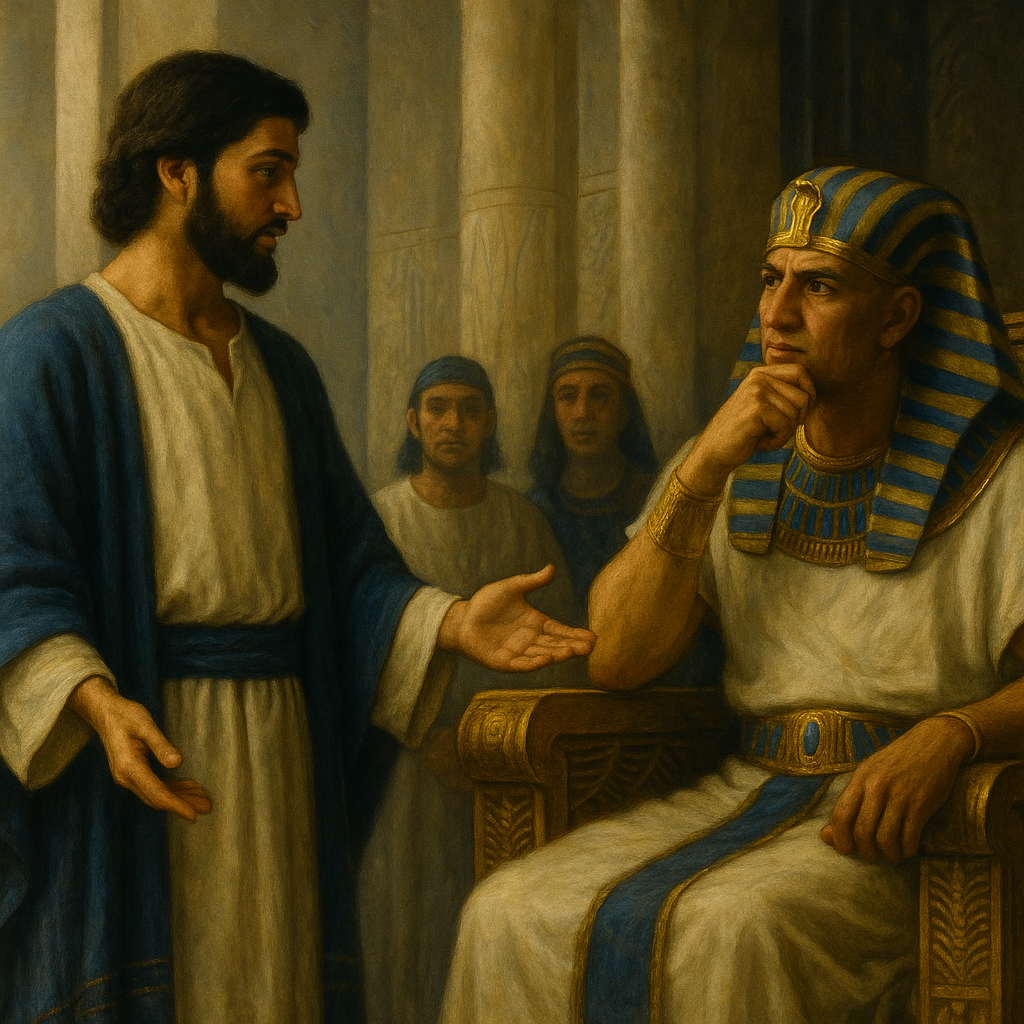
The most dramatic turning point in the entire saga occurs when a severe famine drives Joseph’s estranged brothers down to Egypt to buy grain. Decades have passed. The arrogant teenage shepherd boy they threw into a cistern is now a middle-aged Egyptian grandee, wearing the signet ring of Pharaoh, speaking the Egyptian language, and adorned in native elite garb.
When the brothers stand before Joseph, the text notes a remarkable detail: they do not recognize him, but he immediately recognizes them. For modern readers, this creates a moment of intense narrative suspense, but also raises historical questions. Why couldn't his own brothers recognize him after twenty years? The answers reveal a profound cultural transformation:
- Complete Assimilation: Joseph had adopted Egyptian customs, clothing, cosmetics, and hairstyles. Clean-shaven and wearing heavy Egyptian wigs and linen, he looked entirely foreign to nomadic Hebrew shepherds.
- Linguistic Barrier: Joseph spoke to them through an interpreter during their initial encounters, reinforcing the illusion that he was a native Egyptian official rather than a Semitic relative.
- Power Dynamics: The absolute authority wielded by an Egyptian vizier meant that no ordinary foreigner would dare look directly into his face, let alone suspect that a Hebrew slave boy could achieve such heights.
The Setup: Why Did He Test His Brothers?
Rather than revealing his identity immediately—which would have provided an instant emotional payoff—Joseph engages in an elaborate, and at times harsh, psychological game. He accuses them of being spies, throws them in temporary detention, demands they bring his youngest brother Benjamin to Egypt, and eventually frames Benjamin for theft by planting a silver goblet in his grain sack.
Many readers find this behavior vindictive. Why would a supposedly righteous man torture his aging father and brothers this way? The shocking revelation here is pedagogical and psychological: Joseph is testing whether his brothers have fundamentally changed. He needs to know if they are still the same cold-hearted men who would sell a brother into slavery for twenty pieces of silver, or if they would now sacrifice themselves to protect their father's favorite surviving son, Benjamin.
Cultural and Historical Context of Ancient Egypt
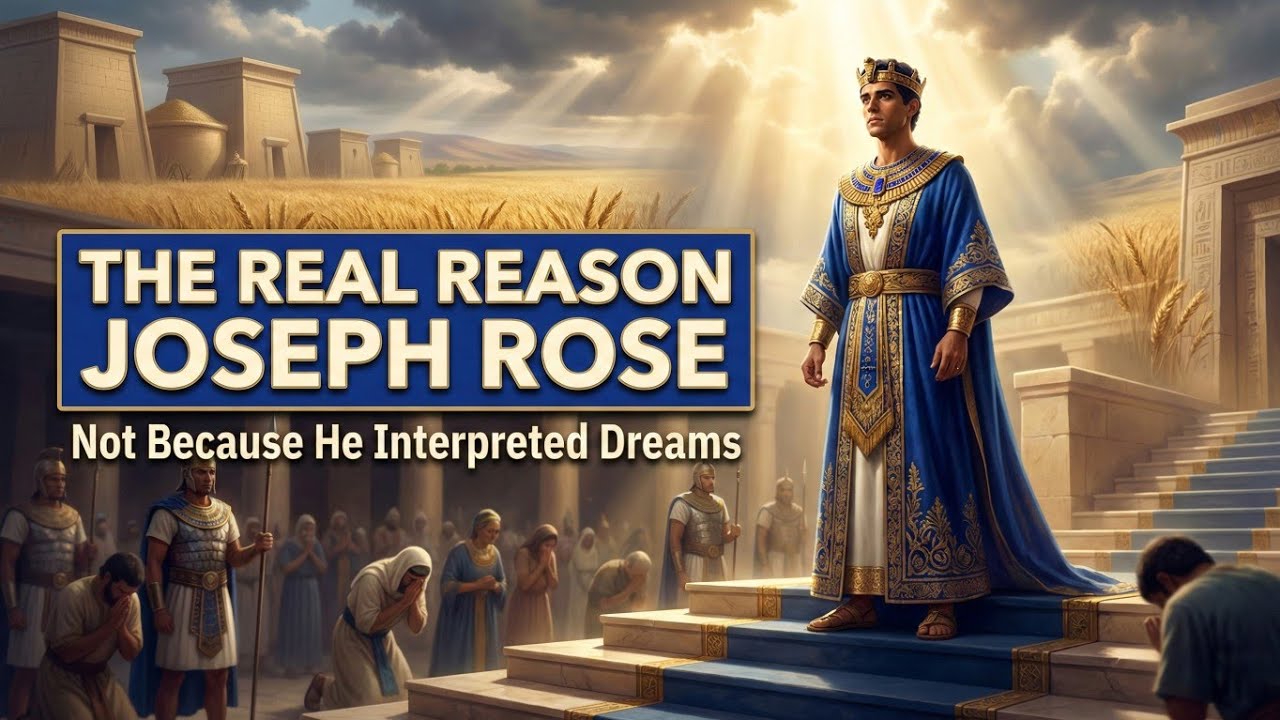
To fully appreciate the narrative arc, we must look at how Joseph navigated the complex socio-political landscape of the New or Middle Kingdom of Egypt (scholars debate the exact era). Foreigners rising to power in Egypt were exceedingly rare, but not entirely unprecedented. Periods of foreign rule, such as the Hyksos period, saw Semitic rulers holding power in the Nile Delta.
Furthermore, Joseph's integration went deeper than superficial appearances. Pharaoh gave him an Egyptian name—Zaphenath-Paneah—and married him to Asenath, the daughter of the high priest of On (Heliopolis). By marrying into the elite priestly class, Joseph was permanently anchored to the Egyptian religious and political establishment. This creates a fascinating tension: the patriarch of the Israelites, the foundational lineage of Judaism and Christianity, lived out his prime as an Egyptian aristocrat.
The Emotional Climax and Ultimate Forgiveness
The tension finally breaks in Genesis 45, when Joseph can no longer contain himself. He orders all the Egyptian attendants to leave the room, breaks down in loud weeping, and utters the famous declaration: "I am Joseph! Is my father still alive?"
The brothers are paralyzed with terror. They remember what they did to him, and now the most powerful man in Egypt holds absolute life-and-death power over them. Yet, instead of executing vengeance, Joseph offers a revolutionary theological reinterpretation of his trauma:
- He comforts them, telling them not to be distressed or angry with themselves.
- He states that God sent him ahead of them to Egypt to preserve life during the famine.
- He orchestrates the migration of his entire family, settling them in the fertile land of Goshen.
Legacy and Lessons from the Narrative
The story of Joseph bridges the gap between the patriarchal narratives of Genesis and the epic liberation narrative of Exodus. Without Joseph's rise to power, the Hebrew family likely would have perished in Canaan during the severe regional famine.
Ultimately, the deeper exploration of his life reminds us that history and ancient literature are rarely simple black-and-white tales. Joseph was a complex historical figure—part Hebrew visionary, part assimilated Egyptian statesman, and a master strategist who orchestrated a brilliant family reconciliation. By looking past the surface of the text, we discover a layered narrative of trauma, identity, and radical grace that continues to captivate readers thousands of years later.