The SHOCKING Truth About Level Z in iReady
Demystifying the iReady Reading Program

Curriculum Associates' iReady program has become a staple in classrooms across the United States. Designed to assess and build reading and math skills for K-12 students, the platform uses adaptive diagnostic testing to place children at their exact instructional level. For many students, parents, and teachers, watching a child climb through the alphabetized reading tiers is a familiar journey.
However, as students progress into middle and high school, they approach the top of the scale. This is where rumors start to fly, panic sets in, and people begin searching for the shocking truth about Level Z in iReady. Is it an impossible summit? Does it unlock high school credit? Let's separate internet hyperbole from educational reality.
What Does Level Z Actually Mean?
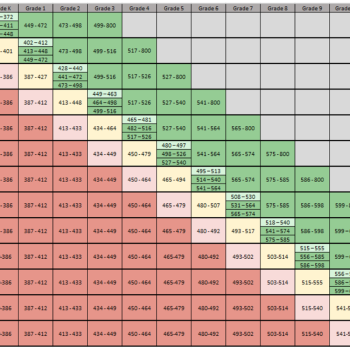
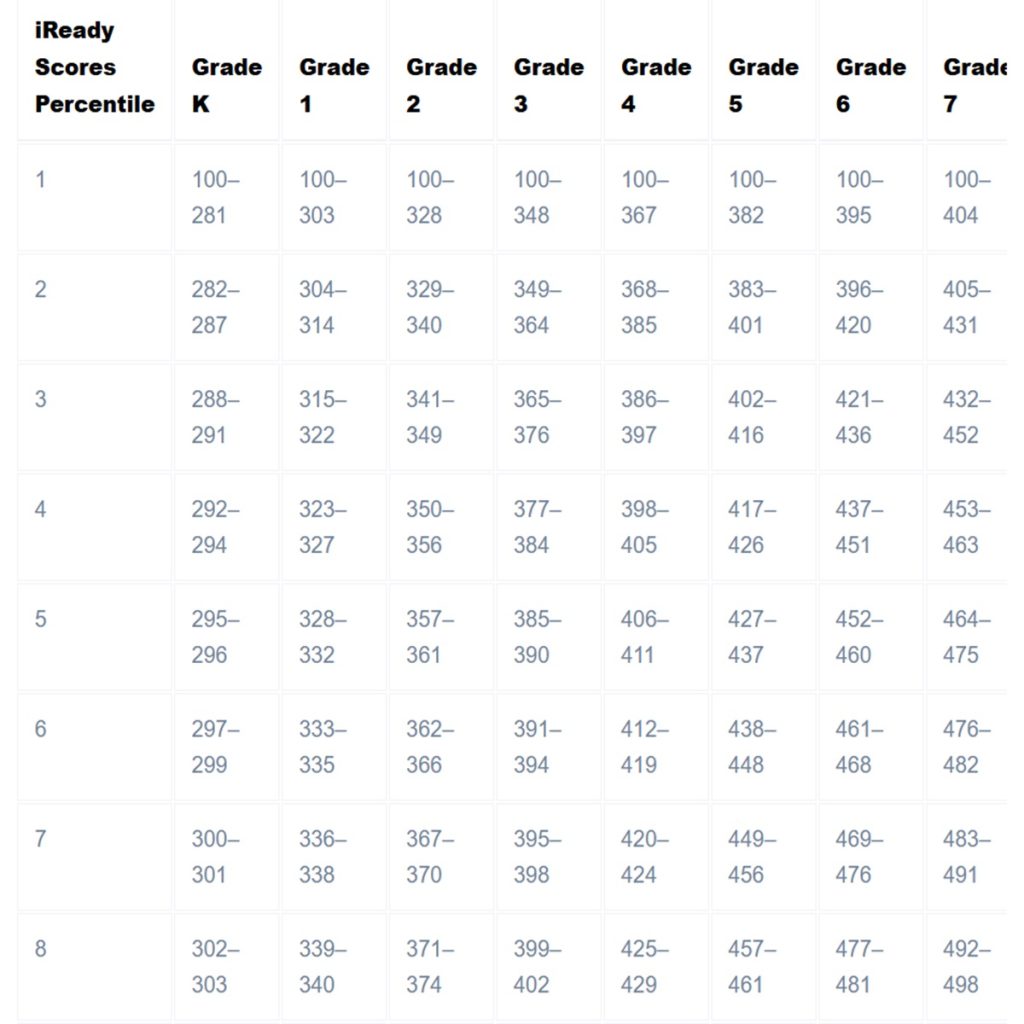
To understand Level Z, you first need to understand how iReady structures its reading metrics. The program uses reading levels that roughly correspond to grade-level equivalencies, moving alphabetically as difficulty increases. By the time a student reaches the upper-middle school tiers, they are working at advanced levels.
In the iReady taxonomy, Level Z generally corresponds to a reading proficiency that goes beyond standard eighth-grade expectations, pushing well into high school territory and beyond. When a student hits Level Z, the system recognizes them as operating at a collegiate or advanced adult reading comprehension level.
- Adaptive Nature: The test gets harder as the student answers correctly, meaning Level Z is only reached by consistently answering complex, analytical questions.
- Lexile Correlation: A student at Level Z is typically reading texts with Lexile measures well above 1300L, tackling dense nonfiction, classic literature, and complex technical writing.
- Ceiling Effect: For all practical intents and purposes, Level Z is the functional ceiling of the standard K-8 iReady reading diagnostic tool.
The Shocking Truth About Level Z in iReady
Despite what sensationalized headlines or playground rumors might suggest, reaching Level Z does not unlock a secret level, grant automatic high school graduation, or mean the student knows everything there is to know about English literature. The reality is both more mundane and deeply impressive.
Here is what is actually happening behind the scenes when a student hits this milestone:
1. The Algorithm Runs Out of Room
Video: i Ready- Lesson Passed Data
iReady is primarily built as a K-8 diagnostic tool. While it accommodates advanced learners, its question bank has a finite upper limit. Level Z essentially represents the absolute limit of what the middle-school-focused diagnostic can accurately measure. Once a student reaches this tier, the algorithm cannot push them any higher because there simply aren't harder diagnostic modules built into that specific pathway.

2. It Doesn't Automatically Mean a Student is Bored
Parents often worry that a child sitting at Level Z will coast through the rest of the school year. In reality, reading comprehension is multi-faceted. A student might excel at decoding and analyzing text at a high level (earning a Level Z), but still need growth in written expression, vocabulary nuance, or specific literary analysis skills that the online platform targets.
3. The Diagnostic Can Feel Repetitive
Because Level Z is the peak of the mountain, students who test here diagnostic after diagnostic may find the questions repetitive. The system struggles to show growth numerically once the ceiling is hit, which can sometimes frustrate high-achieving students who want to see their score climb higher.
How Teachers Handle Level Z Students
When a student maxes out the iReady diagnostic, teachers face a unique challenge. Standard computer-generated lessons may no longer provide the rigorous challenge that a true Level Z reader requires. Effective educators respond by shifting the learning paradigm:
- Transitioning to Off-Screen Enrichment: Teachers often move these students away from iReady's digital path and toward physical novels, primary source historical documents, and advanced peer-led Socratic seminars.
- Focusing on Writing: Reading at a Level Z means the student consumes complex text easily. The logical next step is producing complex text through rigorous essay writing and argumentative drafting.
- Encouraging Independent Inquiry: Advanced readers are encouraged to dive into niche genres, scientific journals, or journalistic pieces to maintain intellectual engagement.
What Parents Should Do If Their Child Reaches Level Z
If your child comes home and tells you they've reached the top of the reading scale, celebrate it! It is a testament to their hard work, strong vocabulary, and analytical capabilities. However, keep these practical tips in mind:
- Don't Stress Over Stagnant Scores: If your child stays at Level Z for multiple diagnostics, it doesn't mean they stopped learning. It simply means they have maxed out the test's measuring tape.
- Feed Their Curiosity: Provide books that challenge their worldview, introduce complex themes, or explore advanced topics in science and history.
- Talk About What They Read: High-level reading requires high-level discussion. Ask them about author bias, structural choices, and thematic arguments rather than just basic plot points.
Conclusion
The truth about Level Z in iReady isn't a dark corporate secret or a magical educational cheat code. It is simply the boundary marker where an elementary and middle school software tool meets high-school and college-level capability. While it requires a shift in how teachers and parents support the student, reaching Level Z is a remarkable achievement that signals a bright, highly capable academic future.