The Silent Leak That Made You Question Your Security
The Silent Leak That Made You Question Your Security

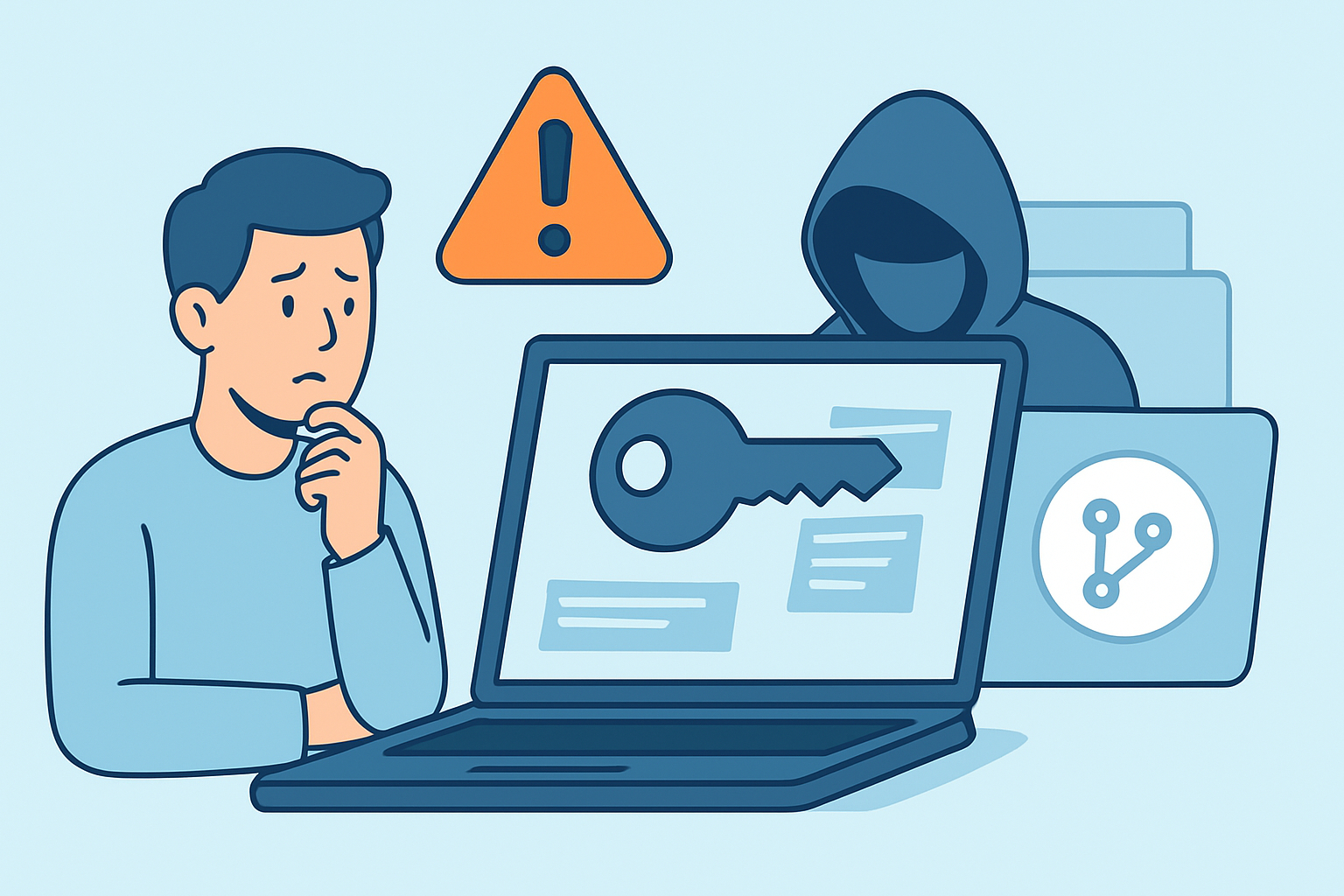
You use a password manager, enable two-factor authentication on every account, and check your bank statements religiously. You consider yourself digitally savvy. Yet, one afternoon, you receive an alert that sends a chill down your spine—your personal data is floating around the dark web. There was no dramatic phishing email, no clicking of malicious links, and no obvious breach notification. This is the reality of the silent leak that made you question your security.
Unlike high-profile corporate hacks that dominate the news cycle, silent leaks operate in the shadows. They exploit modern conveniences, background data-sharing practices, and API vulnerabilities that even the most cautious users overlook. Understanding how these leaks happen is the first step toward reclaiming true digital peace of mind.
What Is a Silent Data Leak?
A silent data leak occurs when sensitive information leaves your ecosystem without triggering alarms, user consent pop-ups, or immediate system failures. While traditional breaches involve hackers breaking through perimeter defenses, silent leaks often involve authorized services, misconfigured databases, or ambient metadata shedding your personal details piece by piece.
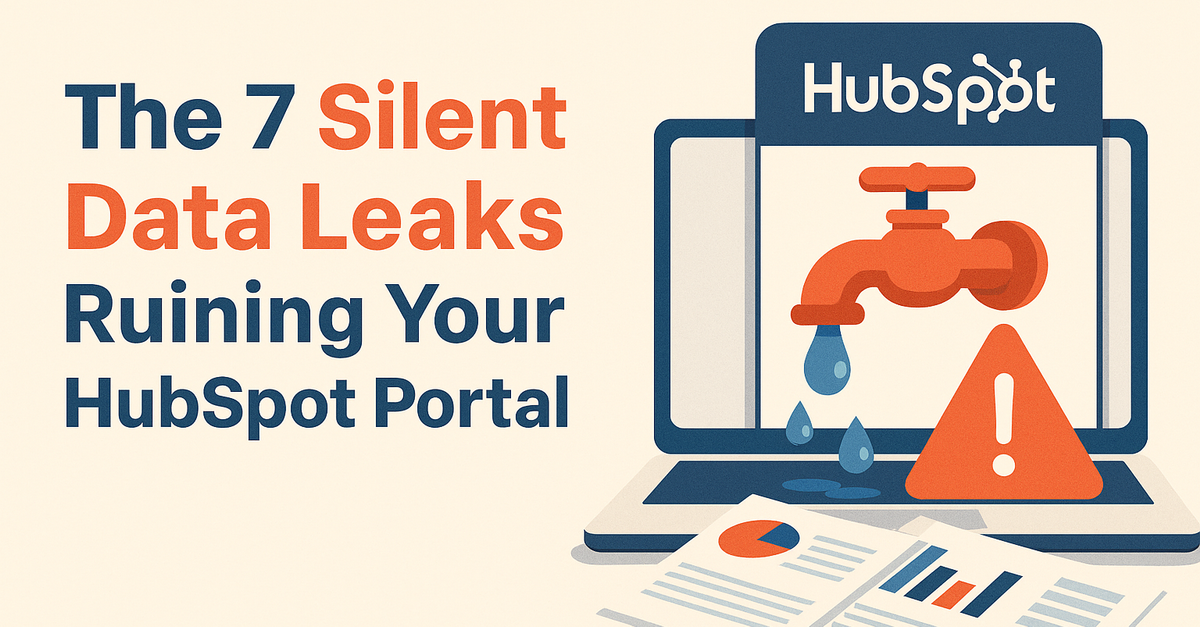
Think of it like a slow plumbing leak behind your kitchen wall. You don't notice it because no pipes have burst. Weeks later, you find warped drywall and mold. Similarly, a silent leak drains your digital privacy in the background until the cumulative damage surfaces unexpectedly.
Common Culprits Behind Invisible Exposures
Silent leaks rarely stem from a single catastrophic mistake. Instead, they are usually the byproduct of interconnected systems interacting in unintended ways. Here are the most common sources of these hidden exposures:
- Third-Party App Permissions: That mobile game or productivity app you signed into using your Google or Apple ID three years ago still has read-access to your contacts, location, and metadata.
- Browser Extensions: Seemingly harmless extensions—like PDF converters, coupon finders, or grammar checkers—can quietly capture browsing habits, session tokens, and input fields.
- Data Brokers and Public Registries: Your information is scraped from public records, social media profiles, and loyalty programs, then bundled and sold without you ever interacting directly with the buyer.
- API Misconfigurations: Cloud storage buckets and developer interfaces left with default settings can inadvertently expose private user databases to the open internet.
The Psychological Impact of Invisible Breaches
When security fails visibly—such as when a retailer you frequent announces a database breach—you know who to blame and what steps to take, like freezing your credit or changing your password. Silent leaks, however, induce a unique psychological toll.
They shatter your confidence in your own digital hygiene. When you have followed every best practice and still end up compromised, it feels like the digital world is fundamentally unsafe. This anxiety can lead to digital fatigue, where users either obsessively check logs or give up entirely on privacy measures.
How to Detect and Close Silent Leaks
Video: 【INDODUB】Di tengah kekacauan perang, cinta terlarang tumbuh antara dua hati yang pernah terpisah 🔥

Because these leaks do not announce themselves, you must actively hunt for them. Adopting a proactive auditing mindset allows you to spot vulnerabilities before they turn into full-scale identity theft scenarios.
1. Conduct a Digital Footprint Audit
Start by reviewing every account linked to your primary email addresses and social media logins. Use authorization management tools within Google, Apple, and Microsoft accounts to revoke access for any application you no longer actively use.
2. Scrutinize Browser Add-Ons
Open your browser's extension manager and ruthlessly prune anything non-essential. If an extension hasn't been updated by its developer in over a year, uninstall it immediately. Many legacy extensions are quietly sold to shady marketing data-collection firms.
3. Monitor Data Exposure Services
Utilize reputable breach-monitoring tools and data broker removal services. While they cannot stop every silent leak at the source, they can alert you when your email, phone number, or physical address appears in leaked databases, allowing you to reset credentials proactively.
4. Limit Metadata and Telemetry Sharing
Dive deep into the privacy settings of your operating systems (both mobile and desktop). Turn off diagnostic data sharing, limit app tracking transparency, and use privacy-focused DNS resolvers or VPNs to minimize the digital exhaust your devices broadcast constantly.
Building a Resilient Security Posture
Experiencing a silent leak forces a shift in perspective. It teaches us that security is not a one-time setup checklist, but an ongoing hygiene practice. Just as you brush your teeth daily, your digital life requires regular maintenance, sweeping, and inspection.
By accepting that invisible exposures are a byproduct of the modern internet, you stop relying solely on perfection and start building resilience. Keep your software updated, minimize your digital surface area by sharing less data upfront, and remain vigilant against the leaks that try to happen in the dark.