The Silvery White Metal Used to Make Salt
Introduction to Sodium
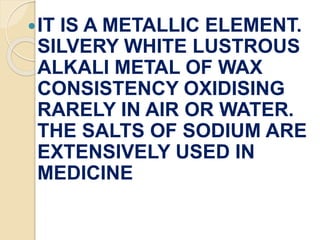
When we think of table salt, the white crystals we sprinkle on our food immediately come to mind. Yet, this everyday seasoning is actually a chemical compound born from a dramatic partnership. At the heart of this compound is sodium, a soft, silvery white metal used to make salt.
On its own, sodium is nothing like the mild, flavorful seasoning found in kitchens. It is a pure chemical element with the symbol Na and atomic number 11. Classified as an alkali metal, it sits in Group 1 of the periodic table, sharing traits like extreme softness and high chemical reactivity with elements like potassium and lithium.
The Chemistry of Table Salt
Table salt is scientifically known as sodium chloride (NaCl). To understand how a dangerous metal becomes a harmless, essential food additive, we have to look at atomic chemistry.
From Metal and Gas to Seasoning
Pure sodium is so reactive that it never occurs freely in nature. It must be stored under mineral oil or kerosene to keep it from reacting with moisture in the air. Chlorine, on the other hand, is a toxic, greenish-yellow gas at room temperature.
When these two dangerous substances meet, a violent exothermic reaction occurs. Sodium atoms willingly give up their single valence electron to chlorine atoms, which desperately need one electron to achieve stability. This transfer creates ionic bonds, forming a crystal lattice of sodium ions and chloride ions. The result is ordinary table salt—a substance with completely different physical and chemical properties than its parent elements.
Properties of the Silvery White Metal Used to Make Salt
Sodium possesses several unique physical and chemical characteristics that make it stand out among other transition metals and elements.
- Physical State: At standard temperature and pressure, it is a solid metal with a bright, silvery luster that quickly tarnishes upon exposure to oxygen and moisture.
- Texture: It is exceptionally soft—so soft that it can be easily sliced with a common butter knife at room temperature.
- Density: Sodium has a very low density of 0.968 g/cm³, meaning it is actually lighter than water and will float on the surface (though it will react violently while doing so).
- Melting Point: It has a relatively low melting point of 97.72 °C (207.9 °F), easily melting on a hot plate or in a laboratory setting.
Reactivity and Safety Precautions
Because sodium is an alkali metal, its single valence electron is loosely held. This makes the element exceptionally eager to react with other substances, particularly water.
When a piece of sodium metal is dropped into water, it reacts vigorously. The metal rapidly melts into a silvery sphere that zips across the water's surface, propelled by hydrogen gas released during the reaction. The equation produces sodium hydroxide and hydrogen gas, often generating enough heat to ignite the hydrogen with a bright yellow flame and a sharp pop.
Video: Sodium: The Shocking Element You Use Daily!

Because of this volatility, handling pure sodium requires strict safety protocols. Chemists must wear safety goggles, gloves, and lab coats, using tongs rather than bare hands to manipulate the metal.
How Sodium Metal is Produced
Because sodium is never found in its pure elemental form in nature, it must be extracted from compounds like sodium chloride or sodium hydroxide.
The primary industrial method for producing pure sodium metal is the Down's cell process. In this method, dried sodium chloride is melted at around 600 °C. Because pure sodium chloride has a high melting point, calcium chloride is typically added to lower the melting temperature and reduce energy costs.
Once melted, an electric current is passed through the molten salt. This process, known as electrolysis, forces the chloride ions to the anode (where they form chlorine gas) and the sodium ions to the cathode, where liquid sodium metal is collected. The liquid sodium rises to the top of the cell because of its lower density and is safely siphoned off.
Everyday Uses Beyond Salt
While most people associate sodium with table salt, the element and its compounds have numerous industrial and biological applications.
Industrial Applications
Pure sodium metal is used in various manufacturing processes:
- Heat Transfer: Liquid sodium is used as a coolant in certain types of nuclear reactors because of its high thermal conductivity and wide liquid range.
- Chemical Synthesis: It serves as a powerful reducing agent in the production of organic compounds and other reactive metals, such as titanium and zirconium.
- Sodium Vapor Lamps: Though largely replaced by LEDs today, low-pressure sodium lamps were once widely used for street lighting, emitting a characteristic yellow-orange glow.
Biological Importance
In ionic form, sodium is vital for human survival. Dissolved in bodily fluids as electrolytes, sodium ions help regulate blood pressure, maintain fluid balance, and facilitate nerve impulse transmission and muscle contraction. Without sodium, the human body simply could not function.
Conclusion
The silvery white metal used to make salt is a striking example of nature's transformative power. On its own, sodium is a volatile, highly reactive hazard that cannot touch water without sparking a dangerous reaction. Yet, when paired with chlorine, it becomes the humble sodium chloride that seasons our meals and keeps our bodies alive. Understanding sodium bridges the gap between dangerous chemistry and the everyday marvels of the natural world.