The Soft Power of Feeling: Why Vulnerability Unlocks Quiet Strength
The Misunderstanding of Hard Power

For generations, cultural narratives have equated strength with armor. We are taught to endure in silence, swallow our disappointments, and project an image of unshakeable competence. In the workplace, in relationships, and even in private reflection, emotional expression is often viewed as a liability—a crack in the facade that others might exploit.
This traditional view champions hard power: dominance, emotional detachment, and relentless control. Yet, this approach demands an exhausting amount of energy. Maintaining a constant state of defense leaves little room for genuine connection, innovation, or sustainable well-being. When we lock our feelings away, we aren't just keeping pain out; we are trapping ourselves inside.
True resilience does not come from hardening our edges until nothing can touch us. Instead, it emerges from a different paradigm entirely. It comes from recognizing the soft power of feeling: why vulnerability unlocks quiet strength in a world that is desperately tired of pretense.
Redefining Strength in the Modern Era
To understand vulnerability, we first need to strip away the cultural misconceptions that label it as weakness. Researcher Brené Brown famously defined vulnerability not as winning or losing, but as uncertainty, risk, and emotional exposure. It is the willingness to show up and be seen when we cannot control the outcome.
When viewed through this lens, opening up requires far more courage than retreating behind a wall of indifference. It is easy to shut down; it takes immense fortitude to stay open-hearted in the face of criticism, failure, or heartbreak. This is where quiet strength is born. It is an internal stability that does not rely on intimidation or control, but on self-acceptance and emotional honesty.
The Characteristics of Quiet Strength
- Presence: The ability to stay grounded in the present moment without needing to fix, flee, or force a premature resolution.
- Adaptability: Releasing the need for rigid control and instead flowing with the realities of change and uncertainty.
- Authenticity: Communicating boundaries and needs clearly, without manipulation or defensive posturing.
- Empathy: Holding space for the struggles of others because you have learned to hold space for your own.
The Soft Power of Feeling: Why Vulnerability Unlocks Quiet Strength
Video: Why Real Strength Is Always Quiet

When we allow ourselves to truly feel—to process grief, joy, fear, and disappointment without judgment—something remarkable happens to our internal architecture. We stop wasting cognitive bandwidth on suppression and redirect that energy toward growth, empathy, and creative problem-solving.
This dynamic is the essence of soft power. Unlike hard power, which compels compliance through force or status, soft power attracts, inspires, and fosters deep loyalty. In leadership, for instance, a manager who admits a mistake or acknowledges team burnout does not lose authority; they gain trust. By modeling emotional honesty, they give everyone else permission to do their best work without fear of making mistakes.
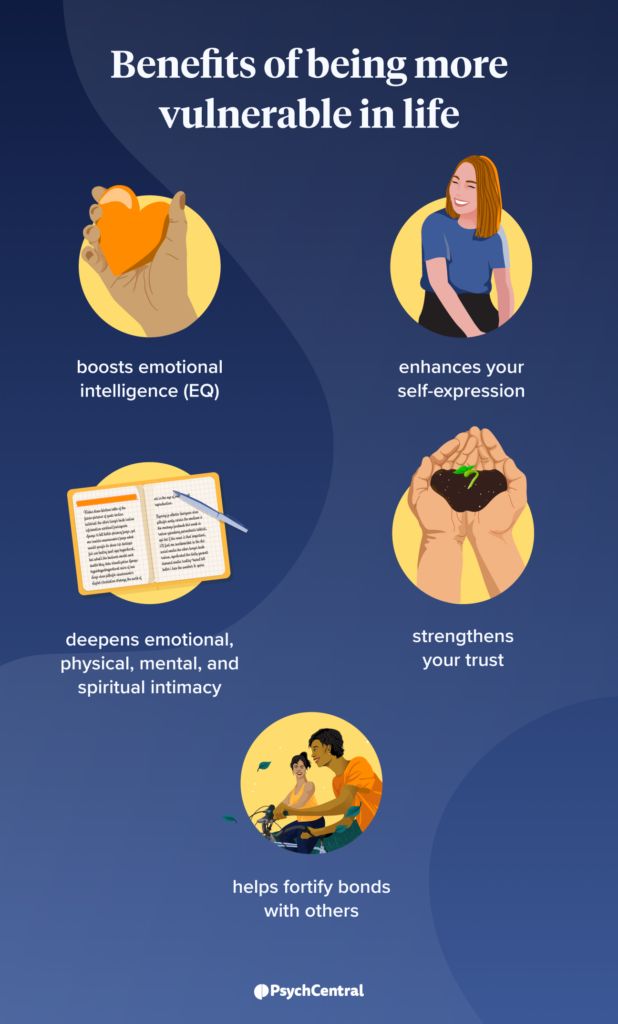
In personal relationships, emotional exposure breaks down the defensive walls that breed loneliness. When you tell a partner, friend, or family member that you are hurting or overwhelmed rather than snapping at them, you invite connection instead of conflict. You trade the illusion of perfection for the reality of intimacy.
Practical Steps to Cultivate Emotional Resilience
Embracing emotional openness is a skill, not an innate trait. Like any physical or mental discipline, it requires deliberate practice and patience with yourself. You cannot force vulnerability; you must cultivate an internal environment safe enough for it to emerge.
- Name what you feel: Move beyond vague descriptors like 'fine' or 'stressed.' Use a feelings wheel to pinpoint exact emotions, such as apprehension, disappointment, or relief.
- Notice bodily sensations: Emotions are physiological experiences. Pay attention to where you hold tension—your jaw, chest, or stomach—and breathe into those areas instead of ignoring them.
- Start small: You do not need to share your deepest secrets with the world. Practice emotional honesty in low-stakes environments, such as admitting to a colleague when you need help on a project.
- Practice self-compassion: When difficult feelings arise, resist the urge to berate yourself for feeling them. Treat your emotional self with the same kindness you would offer a good friend.
Leading with Grace and Courage
As we navigate an increasingly complex and interconnected world, the limitations of hard power become clearer by the day. Systems built on intimidation and emotional suppression inevitably fracture under pressure. The future belongs to those who can navigate complexity with empathy, resilience, and emotional intelligence.
By leaning into the soft power of feeling, you transform your relationship with yourself and others. You realize that tears do not wash away your resolve, and admitting uncertainty does not diminish your competence. Instead, you discover an unshakeable quiet strength—one that doesn't need to shout to be heard, and doesn't need to break others to stand tall.