The Sony Walkman: From Cassette to High-Res Audio
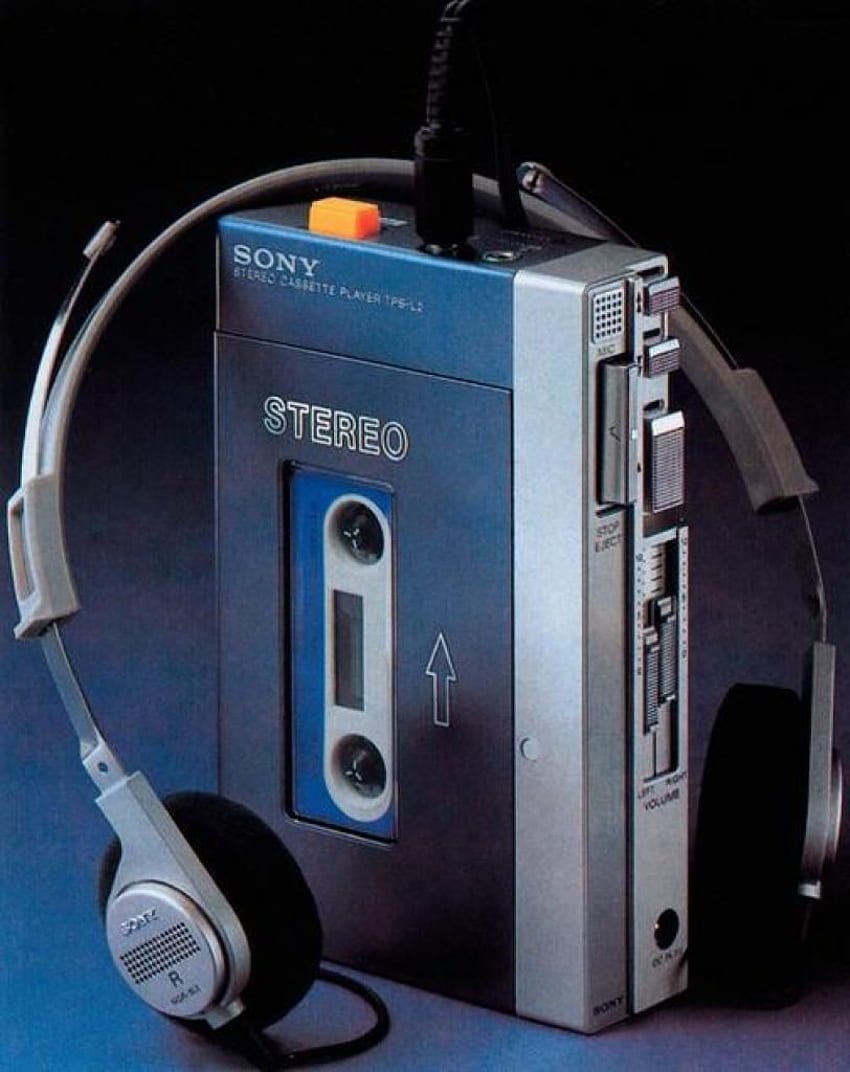
When Sony introduced the TPS-L2 in July 1979, nobody could have predicted how profoundly it would change human culture. The blue-and-silver portable cassette player, officially branded as the Sony Walkman, did something radical: it allowed people to take their favorite music with them anywhere, privately, through a pair of lightweight headphones. It didn't just create a new consumer electronics category; it invented the concept of the modern soundtrack to daily life.

Decades later, the audio landscape looks entirely unrecognizable compared to the era of magnetic tape and mechanical gears. Yet, the Walkman brand endures. Today, it represents a fascinating bridge between vintage nostalgia and ultra-premium audiophile engineering. Whether you are looking back at its cultural impact or investigating modern high-resolution models, the journey of Sony's most famous invention is a masterclass in adaptation.
The 1979 Revolution: How the Original Walkman Changed the World
Before the Walkman, portable music meant carrying heavy transistor radios or boomboxes that forced your musical tastes onto everyone within earshot. Akio Morita, co-founder of Sony, envisioned a device that let him listen to classical music on long international flights without disturbing others. He tasked his engineers with stripping the recording and speaker functions out of a small portable tape recorder, leaving only a stereo playback mechanism.
The resulting device was an instant cultural phenomenon, despite initial skepticism from marketing executives who worried nobody would buy a tape player that couldn't record. Key milestones from the early era include:
- The TPS-L2 Debut (1979): The original dual-headphone-jack model that started it all.
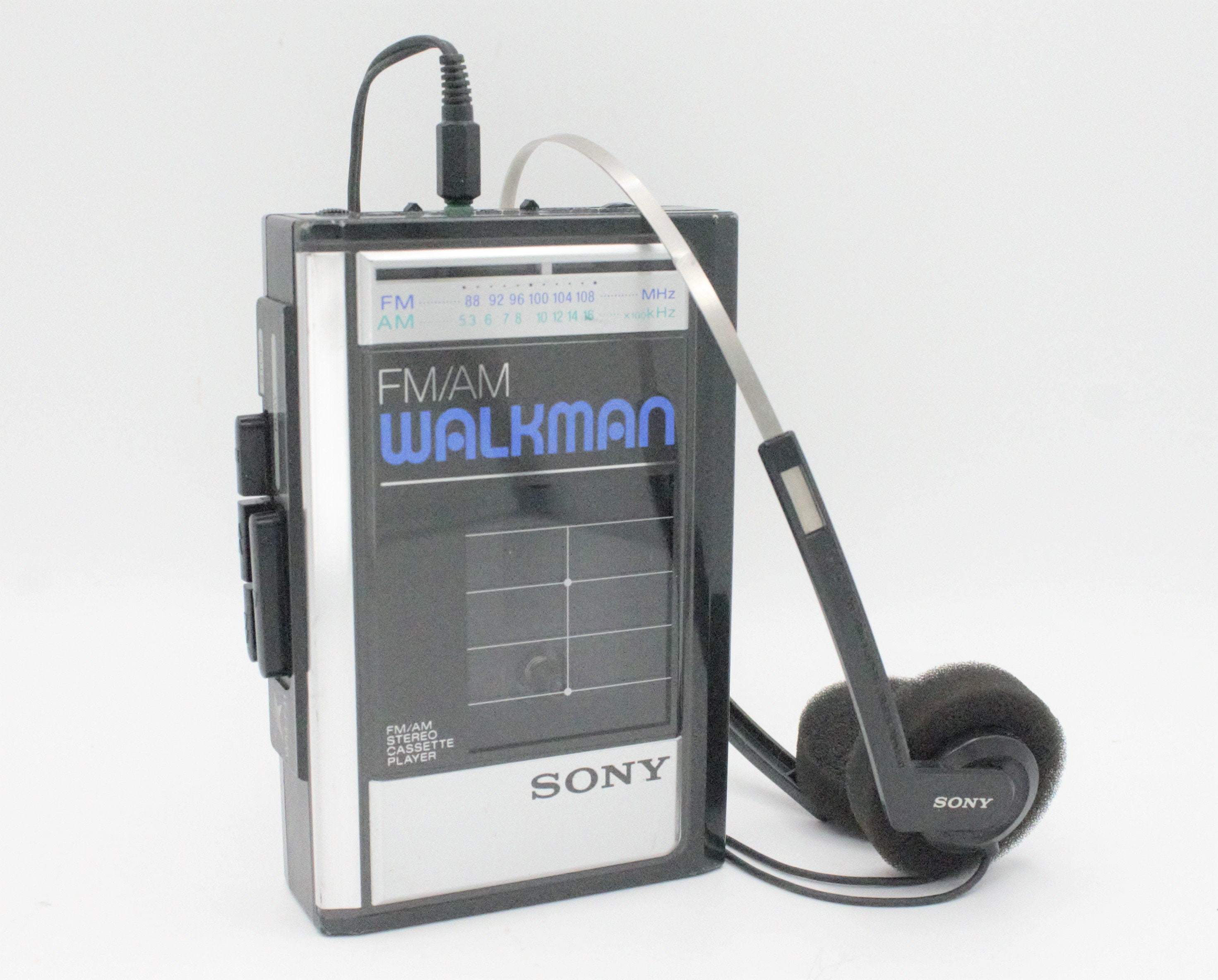
- The WM-2 (1981): A lighter, significantly smaller redesign that made the player truly pocket-sized.
- The Sports Series (1983): The yellow, water-resistant WM-F5 designed for active lifestyles and runners.
- The WM-DD9 (1989): Widely regarded by audio enthusiasts as the pinnacle of portable cassette playback engineering.
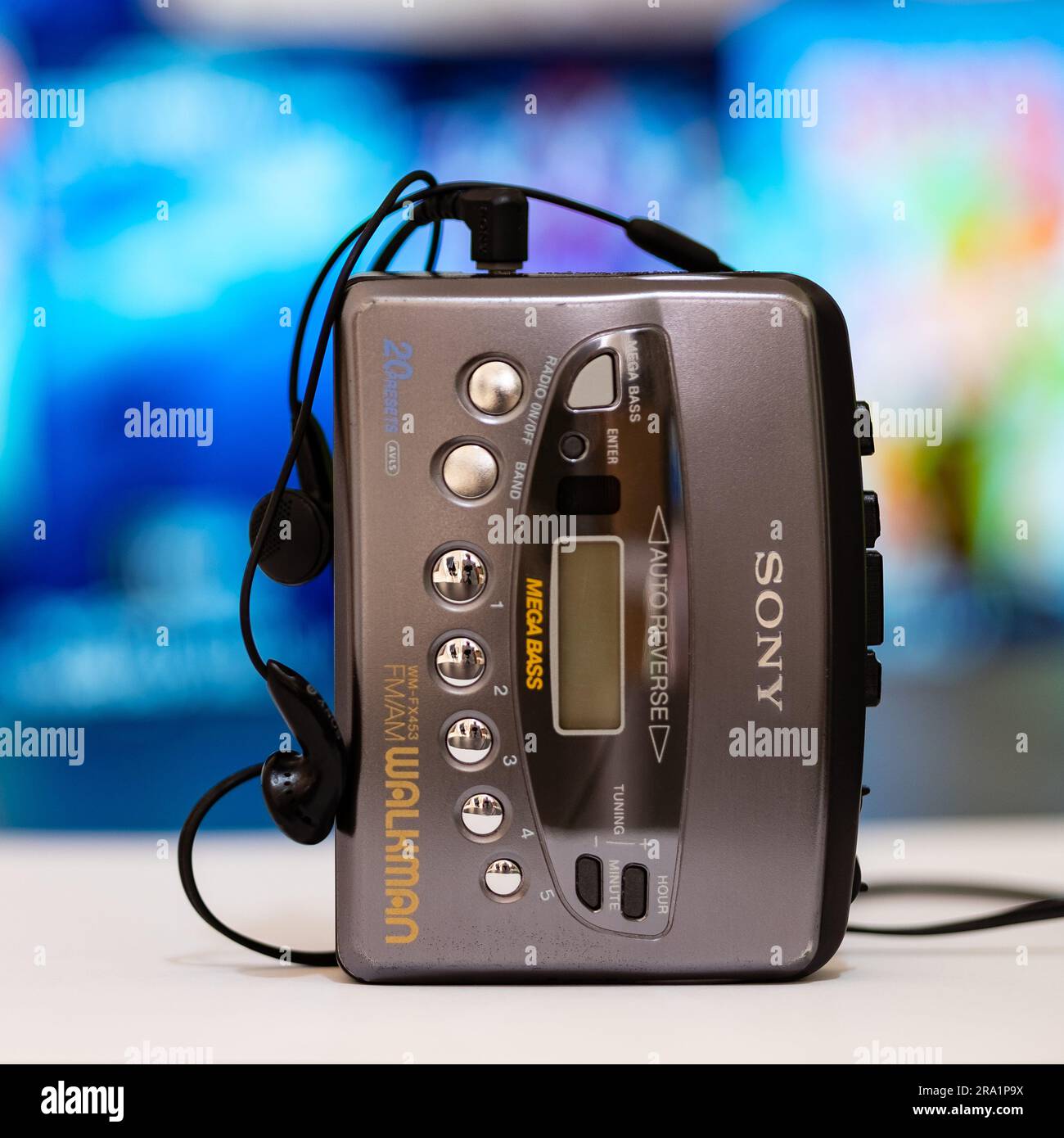
By the time compact discs began taking over the market in the late 1980s and 1990s, Sony had already sold tens of millions of cassette-based units, cementing the brand name as a universal synonym for portable music players.
Transitioning to Digital: Discs, Hard Drives, and Flash Memory
As audio technology shifted from analog to digital, Sony faced the challenge of translating the Walkman ethos into new formats. The transition wasn't always smooth, but it yielded some remarkably innovative hardware.
Discman and MiniDisc Players
In 1984, Sony launched the D-50, the world's first portable CD player, which was eventually rebranded under the Discman moniker before being folded back into the Walkman family. While prone to skipping during heavy movement, portable CD players offered pristine digital audio. During the 1990s, Sony also championed the MiniDisc format—a shock-resistant, recordable magnetic-optical disc that enjoyed massive popularity in Japan and a dedicated cult following globally.

The MP3 Era and SonicStage Struggles
When flash memory and hard drives began replacing physical media at the turn of the millennium, Apple captured the global imagination with the iPod. Sony initially stumbled during this shift, largely due to restrictive proprietary software called SonicStage and early stubbornness regarding DRM formats like ATRAC. Despite releasing sleek hard-drive and flash-based digital players, Sony lost market share to Cupertino in the mainstream MP3 player wars.
The Modern High-Resolution Era
Rather than abandoning the market, Sony pivoted the Walkman lineup toward a different demographic: audiophiles seeking uncompromising sound quality. Modern high-res digital audio players (DAPs) bear little resemblance to the plastic MP3 players of the 2000s or the cassette players of the 1980s.
Today’s high-end units feature precision-machined aluminum chassis, dedicated vinyl processor emulators, gold-plated copper blocks to reduce electrical resistance, and advanced digital-to-analog converter (DAC) chips. Running on customized versions of Android, these modern devices allow users to stream uncompressed music from services like Tidal, Qobuz, and Apple Music while applying hardware-level audio enhancements that smartphone audio chips simply cannot match.
Why Use a Dedicated Walkman Today?
In an era where almost everyone carries a powerful smartphone capable of streaming millions of songs, investing hundreds—or even thousands—of dollars in a dedicated portable audio player might seem redundant. However, dedicated music players offer distinct advantages for serious listeners:
- Zero Distractions: No push notifications, text messages, or work emails interrupting your listening sessions.
- Superior Sound Quality: Dedicated amplifiers and high-grade DACs drive demanding, high-impedance headphones far better than standard phone headphone jacks or dongles.
- Extended Storage: Massive internal storage paired with expandable MicroSD slots allows you to carry entire lossless FLAC and DSD music libraries offline.
- Battery Preservation: Using a standalone player saves your smartphone battery for navigation, communication, and daily tasks.
Conclusion
From a mechanical tape player built to satisfy a co-founder's desire for classical music on airplanes to a pocket-sized studio-grade amplifier running Android, the Sony Walkman has survived for over four decades by constantly reinventing itself. It remains a testament to brilliant industrial design and an unwavering commitment to personal audio enjoyment.