The Surprising Link Between Confidence and Viral Equity — See the Cause
When modern marketing teams analyze breakout campaigns, they often uncover the surprising link between confidence and viral equity — see the cause rooted in how human psychology navigates social risk and digital authority. Every day, millions of pieces of content generate millions of impressions, yet only a tiny fraction translate those fleeting eyeballs into lasting brand value. Most virality is disposable; it spikes, vanishes, and leaves behind zero enduring recall.
True viral equity behaves differently. It compounds over time, transforming casual scrollers into loyal advocates, paying customers, and long-term community members. At the core of this transformation sits an overlooked catalyst: the psychological confidence projected by the creator or brand. Understanding how certainty shapes digital transmission unlocks the difference between a temporary view counter and a durable commercial asset.
Understanding Viral Equity vs. Disposable Virality
To examine the impact of confidence, we must first separate empty virality from viral equity. Disposable virality occurs when a video, post, or meme attracts high engagement solely due to novelty, controversy, or algorithmic anomaly. While the reach metrics look impressive on a dashboard, the audience retains no lasting memory of who created the content. The audience consumes the stimulus and instantly moves on.
Viral equity, by contrast, refers to the residual commercial and social value that remains long after an algorithmic distribution wave subsides. It manifests as:
- Direct brand search volume: Viewers searching your specific name or company rather than generic category keywords.
- Borrowed authority: The audience viewing you as a definitive source of truth in your niche.
- Conversion resilience: A measurable lift in email subscriptions, product sales, or direct inbound inquiries following the viral peak.
- Community defense: Organic followers defending your thesis or brand in comment sections without prompt.
While many creators chase metrics that inflate short-term reach, high-performing operators focus on building viral equity. The bridge connecting these two outcomes is the psychological signal embedded within the delivery.
The Surprising Link Between Confidence and Viral Equity — See the Cause
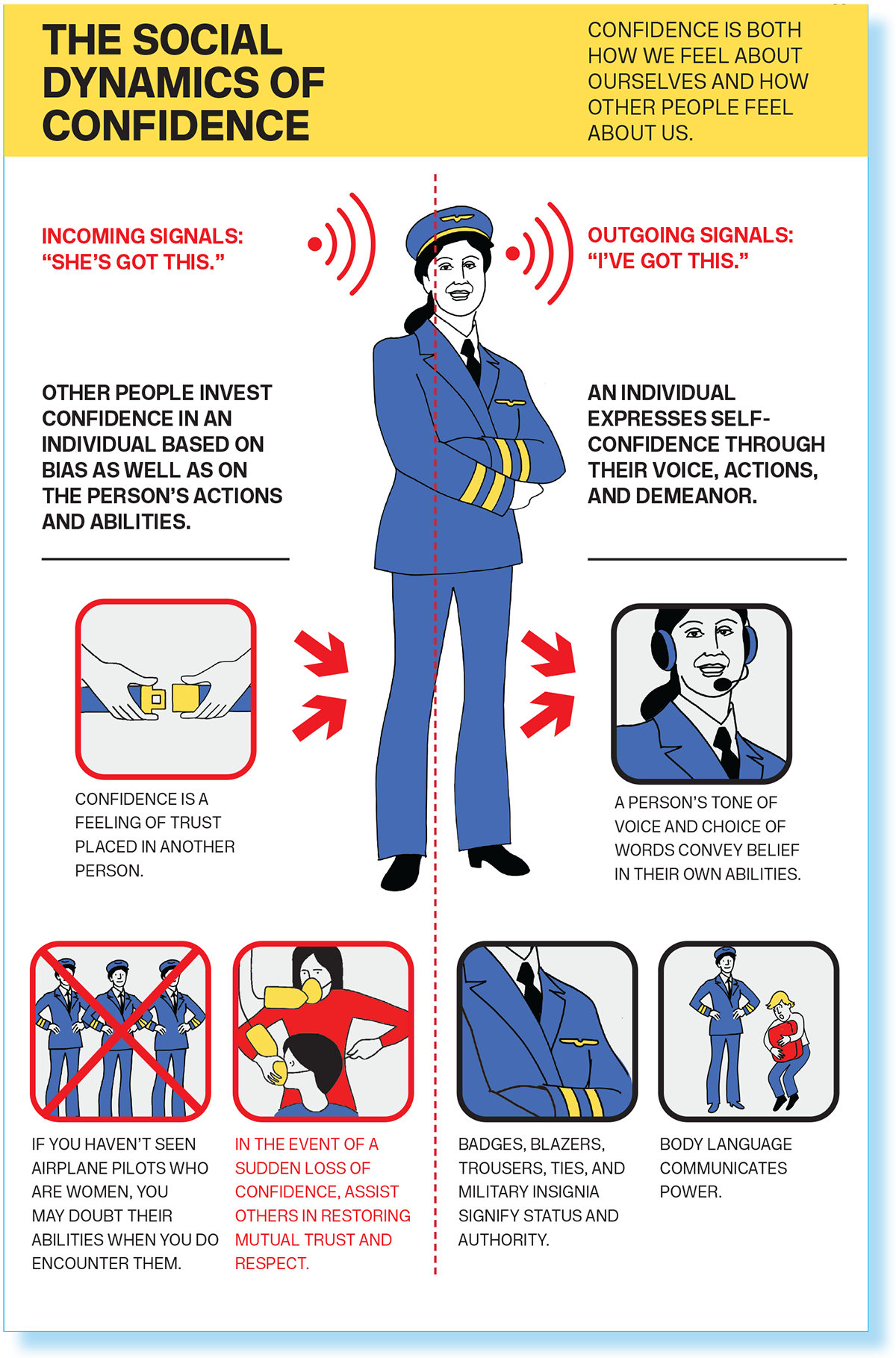
The core reason confidence drives viral equity lies in the concept of social risk transfer. When someone shares, bookmarks, or vocally endorses your content, they are putting their own social capital on the line. Endorsing an idea signals intelligence, taste, and alignment to one's peer group.
If a creator presents an insight with hesitation, excessive hedging, or defensive language, the viewer senses latent insecurity. Even if the underlying data is accurate, the hesitancy forces the audience to bear the cognitive burden of evaluating the risk. Sharing unconfident content feels socially risky because the source has not taken ownership of the stance.
Conversely, when a creator projects unshakeable, grounded confidence, they absorb that social risk on behalf of the audience. The audience feels safe sharing the insight because the creator stands as an authoritative shield. This psychological relief is the primary cause behind the link between confidence and viral equity: certainty eliminates the friction of endorsement, turning passive viewers into active evangelists.
The Cognitive Fluency of Certainty
Human beings rely heavily on cognitive heuristics to navigate information overload. When processing hundreds of content pieces each hour, our brains gravitate toward clarity and decisiveness. Psychologists refer to this as epistemic certainty.
When you speak or write with conviction, you increase the cognitive fluency of the message. The audience does not have to spend mental energy deciphering whether you truly believe what you are saying. That mental energy is instead directed toward absorbing the message and contemplating its real-world application. High fluency produces trust, and trust is the foundational currency of equity.
The Polarization Paradox
Unconfident creators often attempt to please everyone by diluting their arguments with endless qualifiers. They say things like: "This might work for some people, but it depends, and others might disagree, which is totally fine." While polite, this approach neutralizes the emotional energy required for viral transmission.
Confident creators understand that equity requires distinction. By taking a clear, definitive stance, they create healthy polarization. Those who agree become intensely loyal evangelists, while those who disagree generate valuable algorithmic discourse. This contrast anchors the brand identity in the viewer's memory, ensuring that even detractors remember who led the conversation.

The Three Pillars That Convert Confidence Into Equity
Confidence alone is not enough; baseless arrogance repels discerning audiences. To build authentic viral equity, confidence must be supported by structural marketing mechanics.
- Earned Conviction (Substance Over Posturing): Lasting equity requires that your confidence stems from genuine domain expertise, proprietary data, or battle-tested experience. When an audience digs beneath the viral surface and discovers genuine depth, confidence is validated, cementing authority.
- Definitive Frameworks: Confident communicators package complex ideas into proprietary models, names, and mental frameworks. Giving an idea a concrete name gives your audience a vocabulary to adopt, ensuring your brand stays attached to the concept as it spreads across networks.
- Clear Retention Architecture: A confident distribution strategy anticipates where the audience should go next. Without clear paths to newsletters, long-form resources, or flagship products, viral traffic disperses into the ether. Confident brands direct the audience with clear, unapologetic calls to action.
The Counter-Trap: Differentiating Confidence from Hype
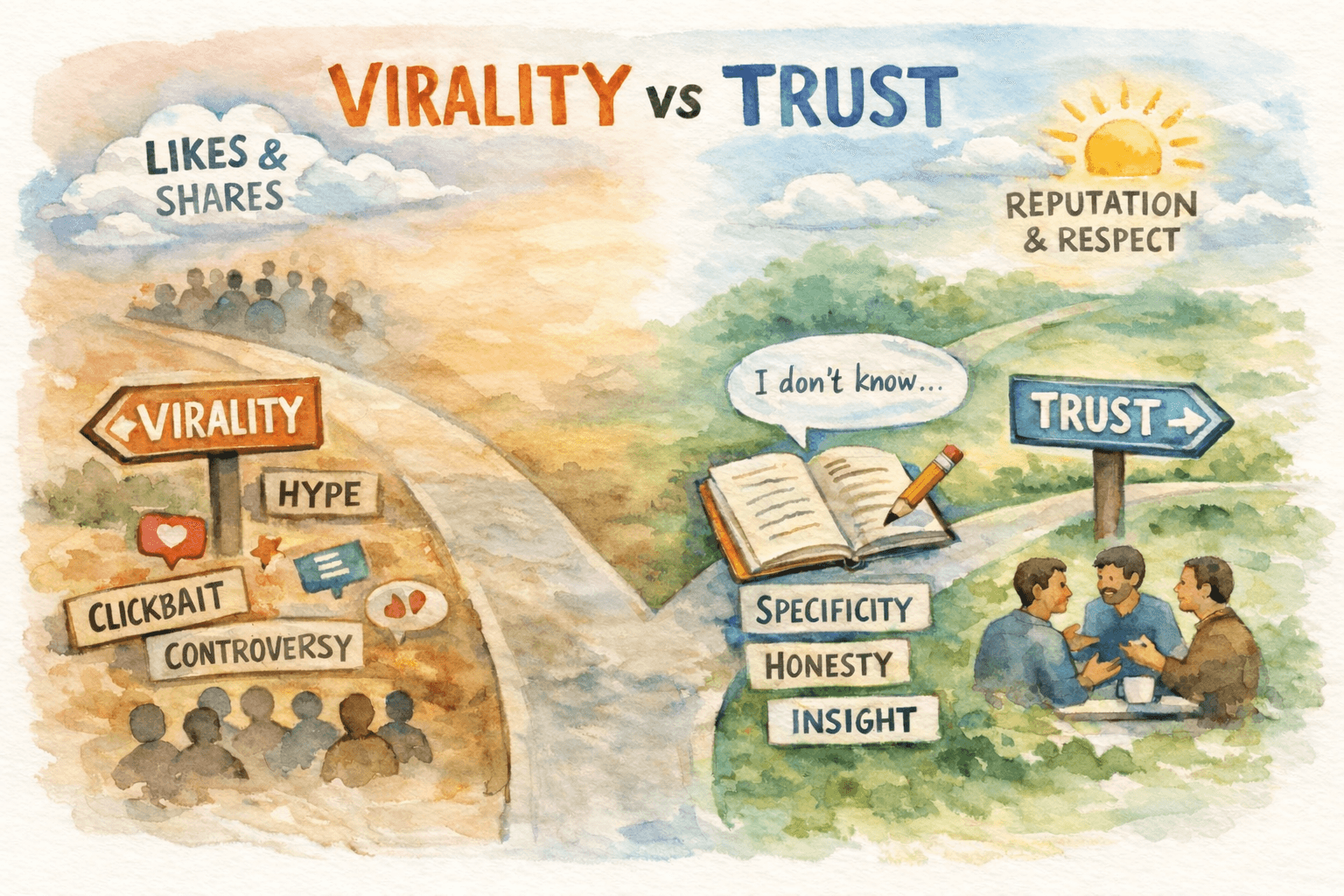
A critical mistake many brands make is confusing performative hype with structural confidence. Performative hype uses sensationalist claims, artificial urgency, and hyperbolic promises to capture attention. While hype can trigger clicks, it actively destroys equity.
When high confidence is paired with low substance, the audience experiences buyer's remorse upon consuming the content. This dynamic breeds cynicism, leading to high unfollow rates and reputational damage. True viral equity requires calibrated confidence: making bold, unambiguous claims while consistently over-delivering on the intellectual or emotional payoff.
Tactical Steps to Infuse Confidence into Your Content Engine
If you want your content to build compounding equity rather than ephemeral spikes, apply these editorial shifts across your production process:
1. Eliminate Defensive Language
Audit your scripts, articles, and posts for verbal padding. Remove phrases like "I just wanted to share," "In my humble opinion," or "I could be wrong, but." State your observation directly. Let the reader decide whether they agree without preemptively diminishing your own authority.
2. Lead with the Conclusion
Weak content saves the main takeaway for the end out of fear that the audience will leave early. Confident content leads with the punchline, thesis, or contrarian finding immediately. Demonstrating that you are not afraid to give away your best insight upfront signals that you possess a deep well of knowledge.
3. Own the Counter-Intuitive
Mainstream platitudes build zero equity because they are indistinguishable from background noise. Identify where industry consensus is flawed, outdated, or incomplete. Present your alternative model with clarity, backing it with logical deduction and practical examples.
The Compounding Payoff of Confident Distribution
Virality without equity is an exhausting treadmill that forces creators and brands to constantly chase new algorithms and format trends. By understanding the causal connection between projected certainty, audience psychology, and social transmission, you shift your content from disposable entertainment to strategic asset creation.
When you eliminate hesitation, absorb social risk for your community, and anchor bold convictions in verifiable substance, every impression contributes to a compounding foundation of digital authority. That authority is the ultimate source of sustained market leadership.