The Tennessee Valley Authority Quizlet Study Guide
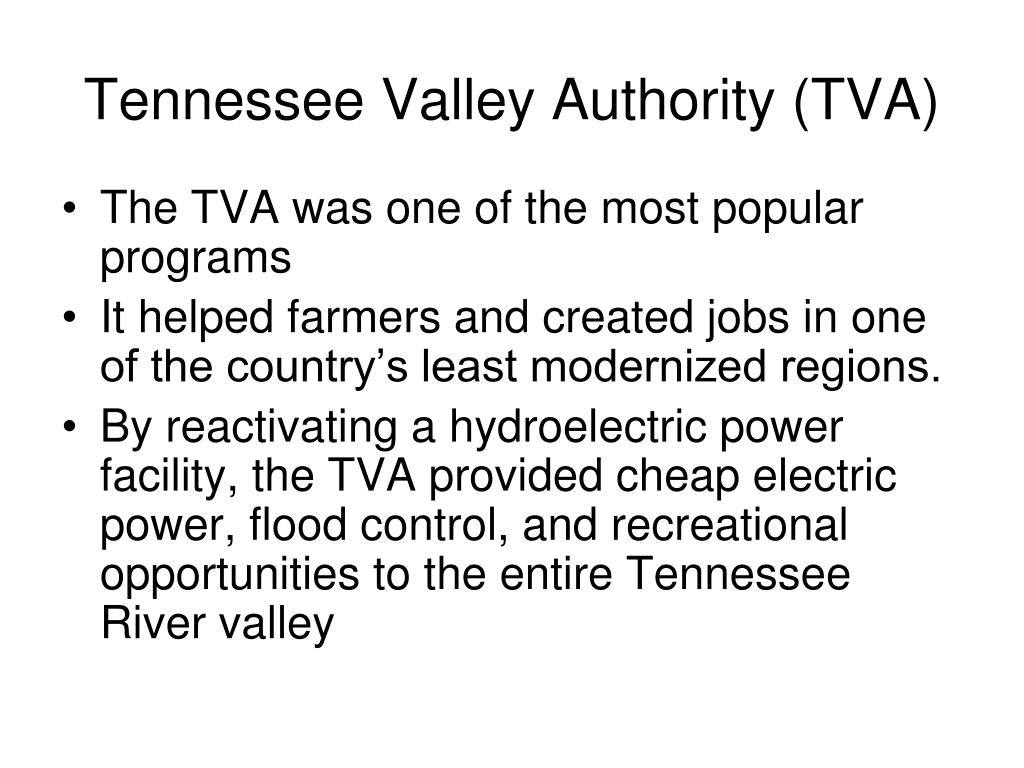
When preparing for an AP U.S. History exam or a modern American history test, students frequently search for the tennessee valley authority quizlet decks to quickly commit key facts to memory. Created during the depths of the Great Depression, the Tennessee Valley Authority (TVA) remains one of the most ambitious, transformative, and controversial federal programs in American history.

While digital flashcards are great for rote memorization, high-stakes exams require a deeper understanding of how the TVA fits into Franklin D. Roosevelt’s New Deal, why private utility companies opposed it, and how it permanently altered the relationship between the federal government and regional infrastructure. This comprehensive study guide breaks down everything you need to know.
What Was the Tennessee Valley Authority?
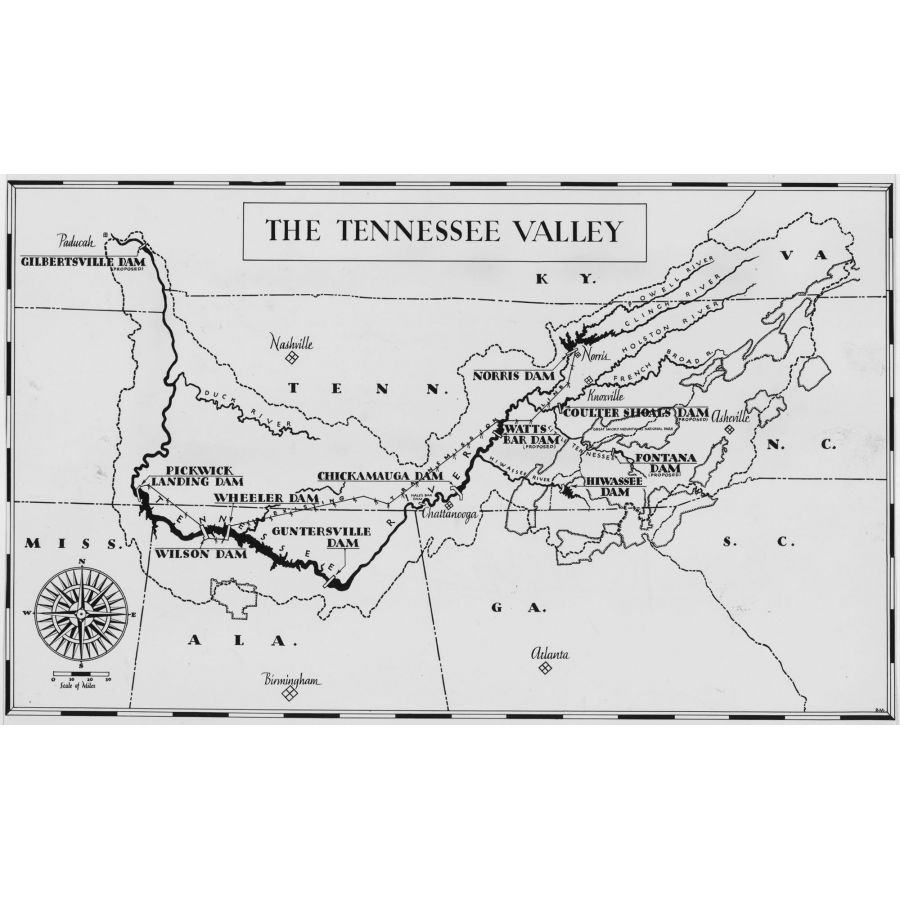
Signed into law on May 18, 1933, as part of FDR’s famous "First Hundred Days," the Tennessee Valley Authority Act created a federally owned corporation tasked with modernizing one of the poorest, least developed regions in the nation. The Tennessee River basin spanned seven states: Tennessee, Alabama, Mississippi, Kentucky, Georgia, North Carolina, and Virginia.
During the early 1930s, this area suffered from chronic poverty, devastating seasonal floods, severe soil erosion, and malaria outbreaks. Less than three percent of farms in the region had access to electricity. The TVA was conceived not just as a temporary relief program, but as an experiment in comprehensive, multi-state regional planning.
The Three R's: Relief, Recovery, and Reform
Historians categorize New Deal initiatives into the "Three R's." The TVA is notable because it addressed all three simultaneously:
- Relief: It directly employed thousands of jobless laborers during the Great Depression to build dams, clear reservoirs, and plant forests.
- Recovery: It stimulated the regional economy by introducing cheap electricity, manufacturing modern chemical fertilizers, and opening commercial navigation along the Tennessee River.
- Reform: It established a permanent, public standard for electricity costs—acting as a "yardstick" to challenge the price-fixing practices of private power monopolies.
Key Terms for The Tennessee Valley Authority Quizlet Review
If you are building your own flashcard set or revising before a test, these are the core vocabulary terms, legislative precedents, and key figures frequently tested on exams:
1. Senator George W. Norris
Often called the "father of the TVA," Nebraska progressive Senator George W. Norris advocated for public control of regional power long before FDR took office. Throughout the 1920s, Norris fought to keep the federally owned nitrate plant and dam at Muscle Shoals, Alabama, out of private hands (including a buyout offer from Henry Ford). His persistent lobbying laid the foundation for the 1933 act, and Norris Dam was named in his honor.
2. Muscle Shoals and Dam No. 2 (Wilson Dam)
During World War I, the federal government constructed Wilson Dam at Muscle Shoals to generate power for synthetic nitrate plants used in munitions. After the war, the future of the facility was fiercely debated. The TVA legislation finally solved the impasse by absorbing Muscle Shoals into a regional modernization system.
3. The "Yardstick" Principle
Before the 1930s, private utility holding companies dominated electric power distribution, keeping prices high and neglecting unprofitable rural sectors. FDR established the TVA to produce power at public rates, providing a transparent baseline—or "yardstick"—against which private utility charges could be judged. If the TVA could deliver power at a low rate, private companies were pressured to lower their rates as well.
4. Rural Electrification Administration (REA)
While the TVA generated vast amounts of hydropower, the Rural Electrification Administration (established in 1935) provided federal loans to install power lines and build distribution cooperatives across farming communities. The TVA and REA worked hand-in-hand to electrify the rural American South.
5. Ashwander v. Tennessee Valley Authority (1936)
A frequent APUSH multiple-choice topic, this landmark Supreme Court case tested whether the federal government had the constitutional authority to generate and sell electric energy. The court ruled 8-1 in favor of the TVA, holding that the federal government could market energy created as a byproduct of its constitutional duties regarding national defense and interstate navigation.
Core Functions and Accomplishments
To score well on essay questions or short-answer sections, you must explain the multifaceted duties of the agency beyond merely "building dams."
- Flood Control: By building a coordinated chain of 16 major dams between 1933 and 1944, the agency managed water levels, ending seasonal washouts that destroyed communities along the river.
- Hydropower and Modern Living: Low-cost electricity transformed daily home life. Refrigeration, electric stoves, and indoor plumbing rapidly replaced wood-burning stoves and kerosene lamps across the valley.
- Soil Conservation and Forestry: The TVA taught modern contour plowing, distributed nitrate-based fertilizers produced at converted war plants, and oversaw the planting of millions of saplings to combat soil erosion.
- Public Health Initiatives: By systematically spraying standing water and controlling reservoir levels, the agency eradicated malaria from the valley by the late 1940s.
The Great Debates: Criticisms and Controversies
Exam prompts often ask students to evaluate both the successes and the criticisms of New Deal programs. The TVA generated significant pushback from several fronts:
Allegations of "Creeping Socialism"
Conservative politicians and business leaders fiercely criticized the agency as an un-American intrusion into free enterprise. They argued that because the TVA paid no federal taxes and held government subsidies, it competed unfairly against private enterprise. Wendell Willkie, head of the private utility giant Commonwealth & Southern, led the corporate opposition against the TVA and used the issue to boost his political profile before running for president against FDR in 1940.
Displacement of Local Populations
Constructing reservoirs required the flooding of vast swathes of fertile farmland. The federal government utilized eminent domain to purchase private property, displacing more than 15,000 families and submerging historic homesteads, cemeteries, and long-standing communities. Many rural residents felt disenfranchised by decisions made by technocrats in Washington and Knoxville.
Environmental Drawbacks
While early TVA projects emphasized conservation, the agency later embraced coal-fired and nuclear power plants in the post-WWII era to satisfy ballooning energy demands from national defense facilities (such as the Oak Ridge nuclear complex). Strip-mining operations and emissions eventually attracted heavy criticism from mid-century environmentalists.
Quick-Reference Summary for Exam Day
- Year Established: 1933 (First New Deal)
- Primary Sponsor: Sen. George W. Norris; signed by President Franklin D. Roosevelt
- Type of Agency: Federally chartered regional development corporation
- Key Missions: Flood control, hydroelectricity, navigation, agricultural restoration, and economic development
- Primary Legal Challenge: Ashwander v. TVA (1936) – TVA upheld
- Primary Opponents: Private utility monopolies (notably Wendell Willkie) and conservative anti-New Deal coalitions
By connecting the flashcard definitions of the Tennessee Valley Authority to its broader political and social implications, you will be prepared not only for basic factual recall, but also for complex analysis and document-based questions on your upcoming history exams.