The Times Ottawa IL: Are Schools Really That Bad?
Open any local social media forum or browse recent education coverage in local outlets, and you will likely encounter a familiar, anxious headline: The Times Ottawa IL: Are The Schools Really This Bad? Parents Speak Out. Across LaSalle County, parents, educators, and taxpayers are locked in passionate debates about student test scores, classroom discipline, and the overall trajectory of public education in Ottawa, Illinois. But how much of this anxiety is grounded in verifiable reality, and how much is fueled by social media amplification?

To understand the true state of education in Ottawa, one must look past soundbites and examine both hard data from the Illinois State Board of Education (ISBE) and the lived experiences of students, parents, and teachers inside Ottawa Elementary School District 141 and Ottawa Township High School (OTHS) District 140.
The Spark: Why Public Frustration Reached a Boiling Point
Public scrutiny has steadily mounted over the past few academic cycles. Reports published in The Times (part of the Shaw Local News Network) detailing contentious school board meetings have highlighted recurring friction between parents and school leadership. Several focal points continue to drive community concern:
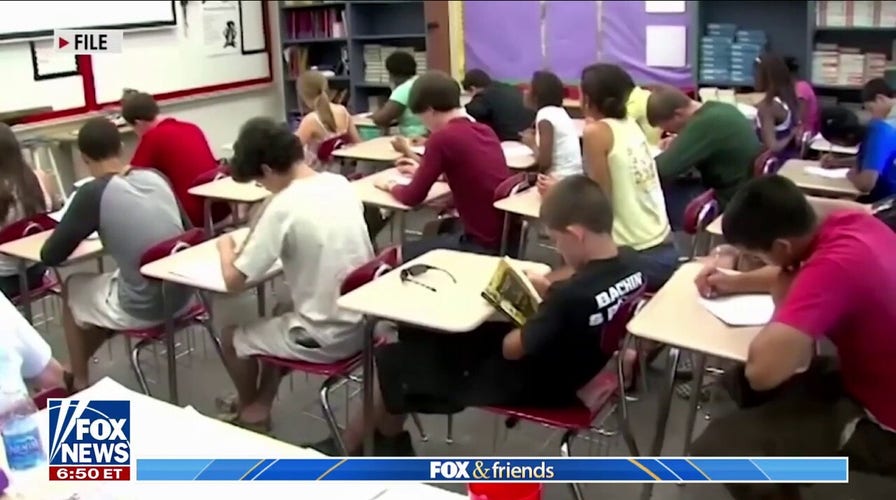
- Classroom Management & Behavioral Incidents: Parents have repeatedly raised concerns regarding disruptive behavior, particularly at Shepherd Middle School and OTHS, arguing that standard disciplinary policies have struggled to address post-pandemic behavioral shifts.
- Standardized Assessment Scores: Recent releases of the Illinois Report Card revealed that proficiency rates in core subjects like English Language Arts (ELA) and Mathematics remain below pre-2020 benchmarks.
- Communication Breakdowns: Families often report feeling excluded from decision-making processes, citing administrative opacity regarding curriculum changes and school safety updates.
- Teacher Retention and Morale: Like many rural and small-metro districts across Illinois, Ottawa has grappled with educator turnover and severe shortages in paraprofessionals and specialized support staff.
By the Numbers: What the Illinois Report Card Reveals
Evaluating school performance requires separating perception from state-verified metrics. The Illinois State Board of Education tracks academic growth, graduation rates, chronic absenteeism, and per-pupil spending. Here is how Ottawa's two primary public districts measure up.
Ottawa Elementary School District 141
District 141 serves preschool through eighth-grade students across multiple neighborhood elementary schools and Shepherd Middle School. Key performance indicators show persistent academic challenges:
- Academic Proficiency: State testing data indicates that ELA and Math proficiency rates at Shepherd and several elementary centers track lower than the Illinois state average, reflecting ongoing learning-recovery hurdles common across working-class districts.
- Chronic Absenteeism: Nearly a quarter of students in District 141 have qualified as chronically absent (missing 10% or more of school days) in recent years, a factor strongly correlated with declining test scores.
- Student Demographics: More than 50% of the student body is classified as low-income, qualifying the district for targeted Title I federal funding and state Evidence-Based Funding support.
Ottawa Township High School District 140
OTHS paints a somewhat different, more multifaceted picture. While standardized SAT scores have drawn public criticism, other indicators demonstrate strong institutional strengths:
- Graduation Rate: OTHS consistently maintains a graduation rate hovering near or slightly above the state average of 87%, demonstrating that most enrolled students complete their secondary education.
- Career and Technical Education (CTE): The high school maintains robust vocational and dual-credit partnerships with Illinois Valley Community College (IVCC), providing direct pathways into high-demand regional trades.
- Advanced Placement (AP): Participation in honors and AP coursework remains stable, offering college-bound students rigorous academic preparation.
The Times Ottawa IL: Are The Schools Really This Bad? Parents Speak Out
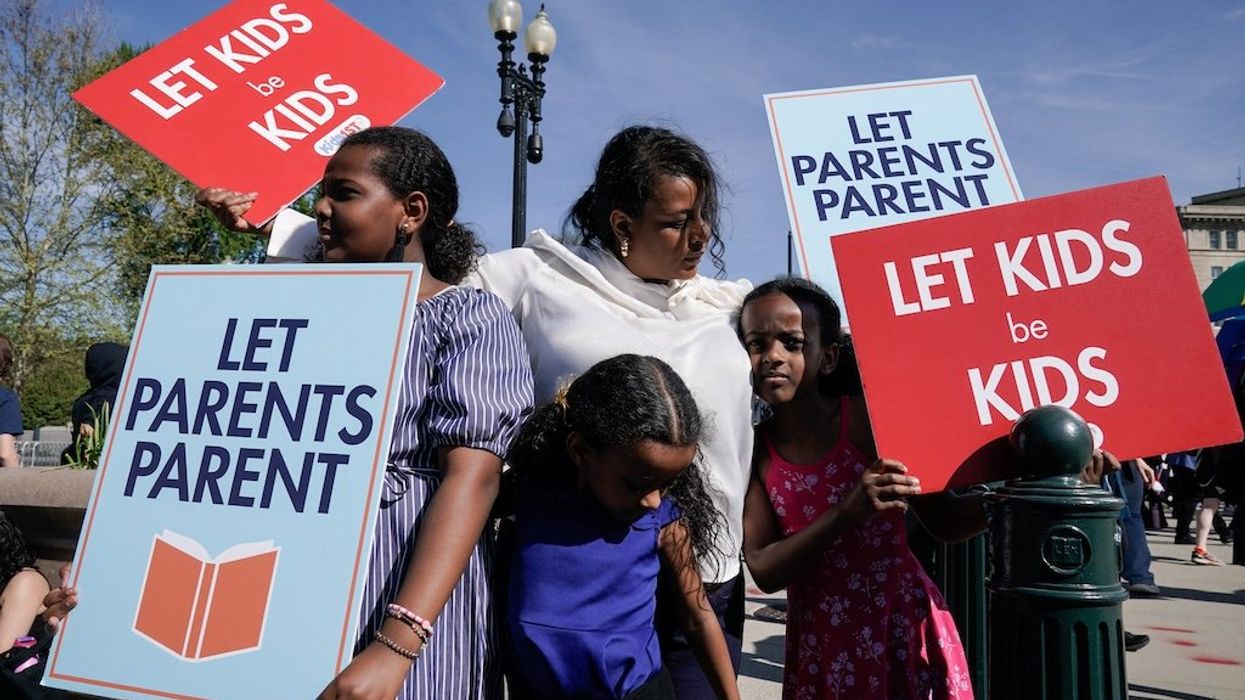
Public sentiment among Ottawa families is far from monolithic. When speaking at school board meetings or responding to local news coverage, community members generally divide into three distinct camps.
1. Frustrated Parents Demanding Structural Reform
For one segment of the community, patience has run out. These parents point to recurring classroom disruptions that detract from academic instruction, along with perceived administrative hesitation to enforce strict behavioral boundaries. Many express frustration that students struggling with basic reading and math comprehension advance through grade levels without sufficient remedial intervention.
Video: Parents Review
"We aren't asking for miracles; we're asking for order and basic accountability," one parent remarked during public comments. "When teachers spend half the period managing chaos, the kids who want to learn get left behind."

2. Supportive Families Highlighting Community Strengths
Conversely, many Ottawa residents feel local schools receive an unfairly harsh reputation. They point to passionate educators who consistently go above and beyond, highly competitive athletic programs, award-winning music and fine arts departments, and dedicated special education services.
These parents emphasize that a student's educational outcome is heavily influenced by household involvement. In their view, students who attend regularly, utilize available tutoring, and participate in extracurricular activities thrive within Ottawa's public school system.
3. Educators Caught in the Middle
Teachers in Ottawa face the same structural pressures affecting public education nationwide. Educators point out that schools are increasingly tasked with addressing complex social challenges—including childhood trauma, food insecurity, and unregulated screen time—with limited mental health resources.
Staff members frequently note that lower test scores reflect demographic realities and post-pandemic disruptions rather than a lack of classroom effort or professional competence.
Root Causes: Beyond the Boardroom Headlines
Are Ottawa schools truly "bad," or are they simply grappling with deep-seated socioeconomic challenges? An objective analysis suggests several underlying factors driving the current struggle:
- The Lingering Shadow of Remote Learning: The disruption caused by pandemic-era remote instruction hit middle and elementary school foundational skills especially hard. Districts across northern Illinois are still attempting to recover lost ground in early literacy and numeracy.
- Economic Realities of LaSalle County: With over half of elementary students qualifying as low-income, schools must allocate substantial resources toward social-emotional support, free breakfast and lunch programs, and foundational interventions.
- Staffing Pressures: Smaller regional districts frequently struggle to compete with suburban Chicago salary packages, making recruitment and retention of certified teachers and speech therapists an ongoing challenge.
Steps Toward Improvement: What Is Being Done?
District leadership and school boards have not remained passive. Both District 141 and District 140 have implemented targeted initiatives designed to stabilize performance and restore community trust:
- Targeted Interventions: Implementation of Multi-Tiered Systems of Support (MTSS) to identify struggling readers before they fall significantly behind grade level.
- Alternative Learning Spaces: Creating alternative behavioral pathways and restorative practices to reduce classroom disruptions while keeping students engaged in schooling.
- Expanded Vocational Training: Increasing access to hands-on apprenticeships, manufacturing certifications, and technical credentials to serve students who are not seeking traditional four-year universities.
- Facility Modernization: Strategic investments in campus security, technology infrastructure, and learning environments funded through state grants and local capital allocations.
The Verdict: A Fair Assessment for Ottawa Families
So, are Ottawa schools really as bad as the most alarming headlines suggest? The short answer is no—but they face undeniable challenges that require sustained community collaboration.
Ottawa's public schools are not failing institutions; they are classic Midwestern community school districts navigating complex social, academic, and economic headwinds. While standardized test performance and student discipline require meaningful, measurable improvement, the districts continue to provide dedicated staff, robust career pathways, and solid academic opportunities for motivated students.
For current and prospective residents, the most constructive approach is direct engagement: attending district meetings, communicating openly with teachers, and actively supporting children at home. Progress in public education rarely happens through headlines alone—it happens in the everyday partnership between classrooms and the community.