The Tragic Legacy of the Nikki Catsouras Death Car
Understanding the Nikki Catsouras Death Car Tragedy

The name Nikki Catsouras is inextricably linked to one of the darkest and most controversial chapters in early internet history. The story of the Nikki Catsouras death car is not just a tale of a fatal traffic accident, but a profound cautionary story about digital ethics, the virality of graphic content, and the profound grief experienced by a family whose private tragedy was broadcast globally without their consent.
On October 31, 2006, 18-year-old Nikki Catsouras lost her life in a high-speed solo vehicle crash in Lake Forest, California. What followed the accident transformed a devastating family loss into a landmark legal and ethical battle over digital privacy and the distribution of gruesome imagery online.
The Fatal Crash on the Toll Road
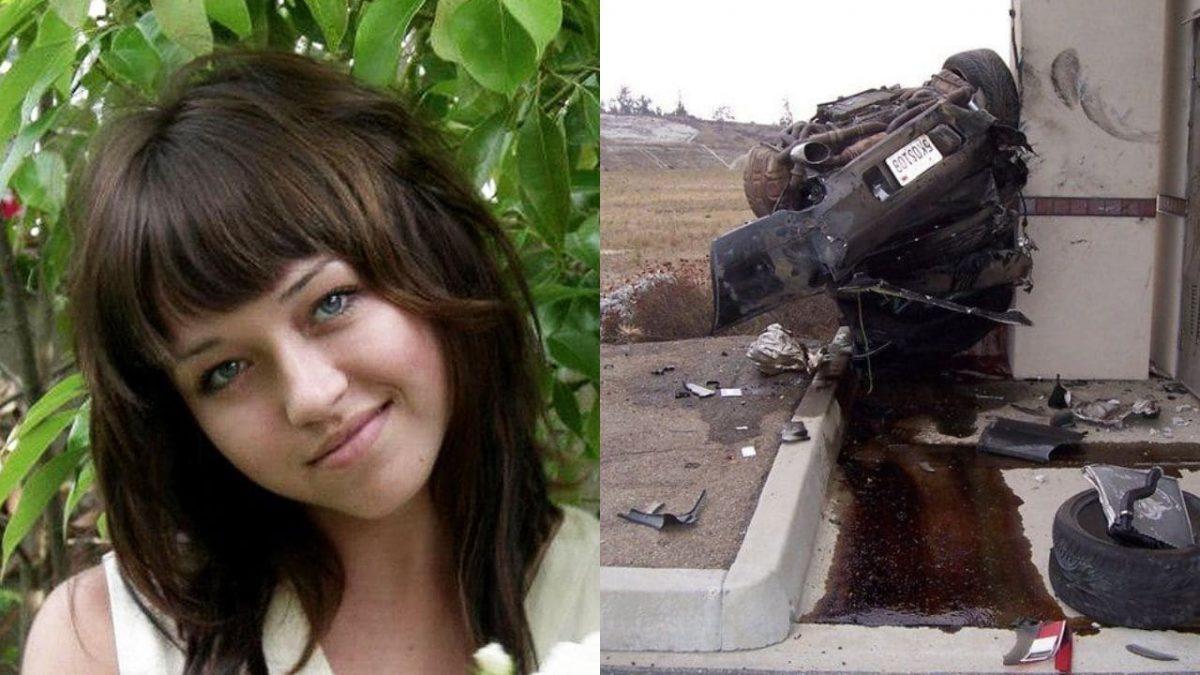
On the afternoon of Halloween in 2006, Nikki Catsouras had been having lunch with her family at their home in Ladera Ranch, California. Following an argument with her parents regarding restrictions on her driving privileges, Nikki took the keys to her father's Porsche 911 Carrera and left the house.
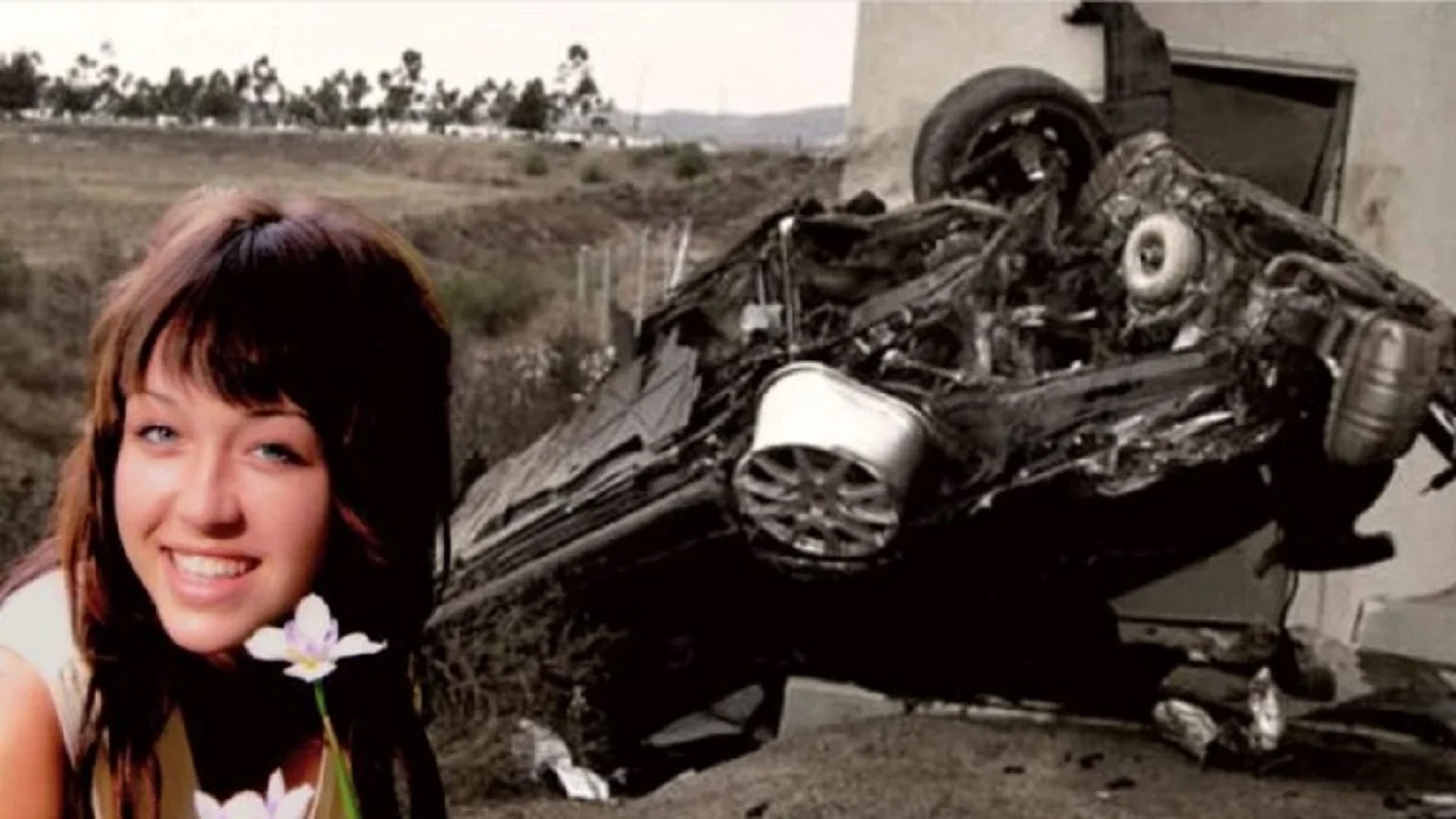
Concerned for her safety, her parents followed in a separate vehicle, but quickly lost sight of her. Nikki entered the 241 Toll Road traveling at a dangerously high speed. Near the interchange with Interstate 5, she attempted to pass another vehicle at speeds estimated to exceed 100 mph. She lost control of the sports car, veered off the asphalt, and slammed head-on into a concrete toll booth building.
The impact was catastrophic. The high-powered Porsche was completely destroyed, and Nikki died instantly at the scene. Because of the extreme violence of the collision, the first responders faced a grim scene.
The Leak of the Graphic Photos
As standard protocol, California Highway Patrol (CHP) officers and investigators documented the crash scene thoroughly for accident reconstruction and public safety records. During this process, graphic photographs of Nikki's remains inside the wreckage were taken.
Within days of the accident, two CHP dispatchers—Aaron Reich and Thomas O'Donnell—accessed the internal database, retrieved the gruesome images, and emailed them to people outside the department. One of the dispatchers reportedly sent the photos to an email address he frequented, while the other forwarded them to acquaintances.
From there, the photos of the Nikki Catsouras death car entered the wild west of the early internet. Trolls, cyberbullies, and shock-site operators weaponized the images, sending them directly to the Catsouras family in an act of unprecedented cruelty.
The Internet Trolls and Harassment
Video: NIKKI CATSOURAS 1988-2006
The Catsouras family began receiving anonymous emails and messages featuring the mangled photos of their daughter, accompanied by vicious taunts. In one particularly sickening instance, the family received an email with the subject line, "Woohoo Daddy! Hey daddy, I'm still alive," containing a photo of Nikki's deceased face.

The family was forced to hire a computer forensics expert to help scrub the images from the internet, but the task proved nearly impossible. Once digital content replicates across peer-to-peer networks, image-hosting forums, and social media, total eradication becomes virtually unattainable.
The Legal Battle for Accountability
Devastated by both the loss of their daughter and the relentless online harassment, Christos and Lesli Catsouras filed a lawsuit against the California Highway Patrol and the two dispatchers responsible for leaking the photos.
The family's legal strategy argued that the CHP was negligent in hiring and supervising the employees, and that the unauthorized release of the death scene photos violated their constitutional right to privacy and inflicted intentional emotional distress.
The legal journey was arduous:
- Initial Dismissal: In 2010, a California superior court judge initially dismissed the lawsuit, ruling that while the dispatchers' behavior was despicable, the state agencies did not owe a direct duty of privacy regarding the accident scene photos to the family.
- Appellate Court Ruling: The Catsouras family appealed the decision. In 2011, an appellate court reversed part of the lower court's ruling, allowing the family to pursue a claim for negligence and intentional infliction of emotional distress against the individual dispatchers and the CHP.
- Settlement: Eventually, the family reached a settlement with the State of California in 2012, receiving a payout of approximately $2.37 million. More importantly, the CHP implemented stricter internal policies regarding the handling and security of sensitive crime scene and accident photos.
The Broader Impact on Digital Ethics and Privacy
The tragedy surrounding the Nikki Catsouras death car forced legal scholars, lawmakers, and technology platforms to confront the realities of the digital age. Key lessons and changes emerged from the ordeal:
- Stricter Law Enforcement Protocols: Police departments and highway patrols across the United States overhauled their digital evidence policies, instituting strict penalties for personnel who leak sensitive crime or accident scene photos.
- Cyberbullying Legislation: The case highlighted the need for robust laws addressing online harassment, digital stalking, and the malicious distribution of distressing content.
- Platform Accountability: The incident remains a primary case study in university journalism, law, and ethics classes, illustrating how the democratization of the internet can amplify human cruelty without adequate moderation and empathy.
Remembering Nikki Beyond the Controversy
While the search terms associated with the Nikki Catsouras death car continue to bring up dark chapters of internet history, her family has consistently tried to shift the focus back to who she was as a person.
Nikki was a vibrant teenager who struggled with mental health challenges, specifically depression and anxiety, in the months leading up to her passing. Her family has since spoken out to raise awareness about adolescent mental health, reckless driving, and the emotional toll of cyberbullying on grieving families.
Ultimately, the story serves as a permanent reminder of the human cost behind viral content. Behind every shocking image shared online is a real family enduring unimaginable pain, emphasizing the need for greater digital empathy and strict accountability for those who exploit tragedy for shock value.