The True Cost of Juvenile Crime on Society
Understanding the True Burden: How Much Does a Juvenile Cost Society? Don’t Miss This!

When we think about crime and the justice system, our minds usually drift to adult offenders, courtroom dramas, and sprawling state penitentiaries. However, looking only at the adult system ignores a critical foundational stage: juvenile delinquency. When a young person enters the justice system, the ripple effects touch schools, healthcare providers, local communities, and taxpayers at large. Grasping the financial reality requires looking beyond simple court fees and examining the lifetime economic impact of youth crime.
Research from criminologists, economists, and public policy institutes reveals that the price tag of a single troubled youth can skyrocket into the millions of dollars over a lifetime. By breaking down these costs, policymakers and citizens alike can better understand why shifting funds toward early intervention is not just a moral imperative, but a smart fiscal strategy.
The Immediate Price Tag: Arrest, Court, and Detention
The moment a juvenile commits an offense that draws law enforcement attention, the meter starts running. The short-term costs associated with processing a young offender are substantial and involve multiple municipal and state agencies.
Law Enforcement and Court Proceedings
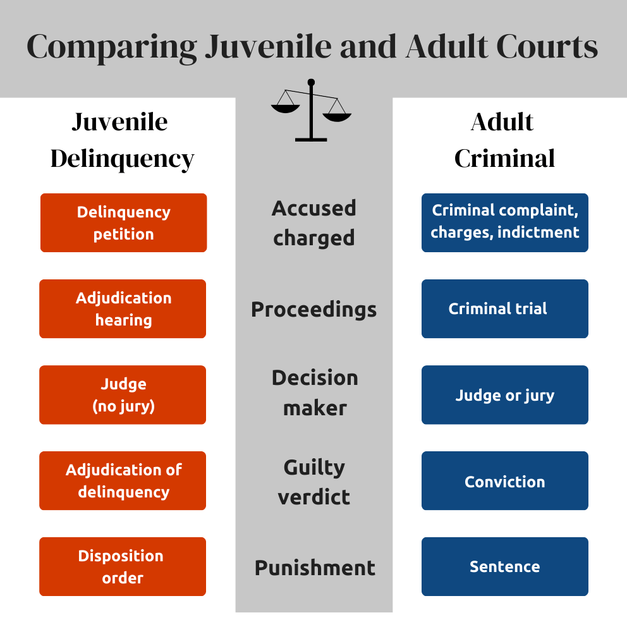
Police intervention, temporary holding, and investigative work consume significant municipal resources. Once a case moves to the court system, taxpayers fund public defenders, prosecutors, family court judges, and specialized probation officers. Unlike adult courts, the juvenile system often incorporates psychological evaluations, mandatory counseling, and family hearings, all of which add to the administrative overhead.
The Expense of Juvenile Detention
When a judge determines that out-of-home placement is necessary, the costs multiply exponentially. Housing a youth in a secure juvenile detention facility or residential treatment center is remarkably expensive—often rivaling or exceeding the tuition costs of elite private universities. According to various justice policy institutes, keeping a young person locked in a state-run facility can cost anywhere from $100,000 to over $300,000 per year per child. This high price is driven by the need for low staff-to-resident ratios, educational services, and 24-hour supervision.
The Long-Term Economic Ripple Effects

While the immediate operational costs of courts and detention centers are high, they represent only the tip of the iceberg. The true financial burden unfolds over decades, manifesting as lost potential and sustained public dependency.
- Lost Educational Attainment: Contact with the juvenile justice system severely disrupts schooling. Suspensions, expulsions, and time spent in detention facilities make high school graduation rare for these youth, severely limiting their future earning capacity.
- Reduced Lifetime Earnings: Without a high school diploma or vocational training, individuals who have a juvenile record struggle to secure stable, living-wage employment. This translates to lower income tax contributions and higher reliance on government assistance programs in adulthood.
- Healthcare and Mental Health Costs: Traumatic childhoods, untreated mental health disorders, and substance abuse often underpin juvenile delinquency. Providing ongoing medical, psychiatric, and emergency services for these individuals strains public health systems.
- Victim Costs and Property Loss: Beyond the state expenditures, crimes committed by juveniles result in physical injuries, property damage, and emotional trauma for victims, alongside the cost of private security and insurance claims.
The Transition to the Adult Criminal Justice System
Perhaps the most costly outcome of juvenile delinquency is the phenomenon known as the "career criminal." Criminological data consistently shows that youth who experience formal processing, adjudication, and incarceration in the juvenile system are significantly more likely to graduate to the adult penal system.
When a juvenile offender becomes an adult inmate, the financial burden shifts from local and state youth services to massive state and federal prison budgets. Incarcerating an adult for decades costs millions of dollars per individual when factoring in housing, healthcare, security, and administrative overhead. Therefore, a failure to successfully rehabilitate a teenager often guarantees a lifetime of high public expenditure.
The Solution: Why Prevention Outweighs Punishment
Faced with these staggering figures, economists and social scientists have evaluated alternative approaches. The consensus is clear: investing in front-end prevention and community-based intervention is vastly more cost-effective than reactive incarceration.
High-Return Early Intervention Strategies
- Evidence-Based Family Therapy: Programs that work directly with parents and children in the home have proven success rates in altering behavioral trajectories at a fraction of the cost of detention.
- School-Based Mental Health Programs: Identifying and treating behavioral and psychological issues early in the classroom prevents minor disruptions from escalating into criminal behavior.
- Mentoring and After-School Initiatives: Keeping at-risk youth engaged in productive, supervised environments during peak crime hours drastically reduces delinquency rates.
Studies show that every dollar invested in high-quality early childhood and youth intervention programs yields multiple dollars in savings through reduced crime, lower victimization rates, and increased tax revenues from future productive workers.
Conclusion
The financial impact of juvenile delinquency extends far beyond courtroom walls and detention center fences. By examining the immediate administrative expenses, the lifetime loss of economic productivity, and the high probability of adult incarceration, the total cost to society is revealed to be astronomical. Recognizing this heavy financial burden underscores the urgent need to pivot away from costly, punitive measures and toward evidence-based prevention. Investing in our youth today is not only a compassionate choice—it is the most fiscally responsible decision society can make.